
200W+
智慧酒店解决方案

2026年09月08日 19:43 阅读量:269 编辑:杰龙先创Hank
当AI数字店长接管了73%的日常决策,当智能客控系统每年为酒店省下60万以上能耗成本,当一套完整的智联生态能在不增加人力的前提下创造百万级增量收入——酒店智能化正在经历一场从"一次性采购设备"到"持续购买生态能力"的范式转移。这场转移的速度,比大多数从业者预期的要快得多。
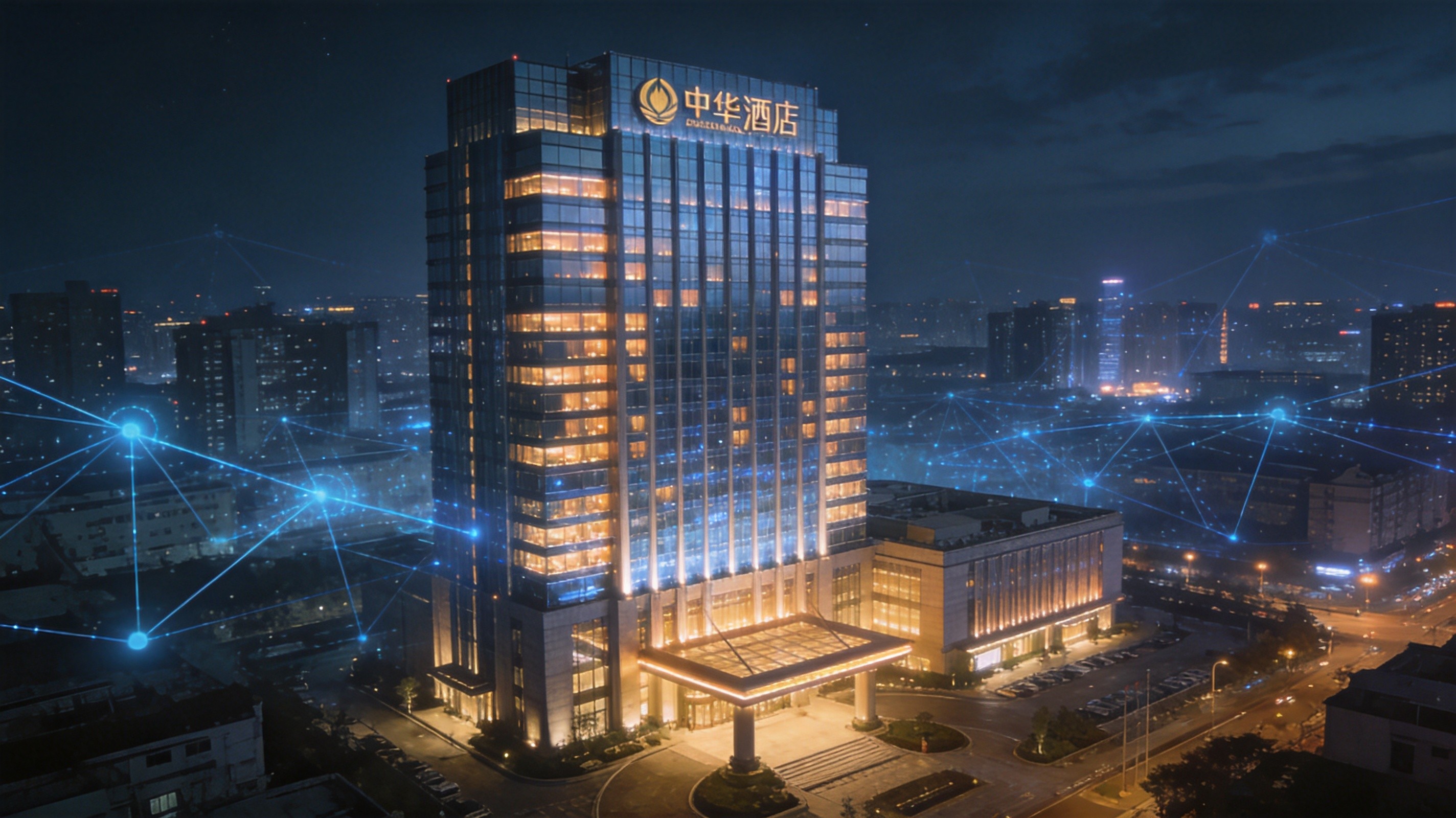
过去十五年,酒店智能化的主流采购逻辑是"按项目买硬件"——选一家方案商,买一批RCU主机、开关、温控面板、电视系统,安装调试完,验收付款,项目结束。
这个模式在2020年之前是成立的。原因很简单:酒店对智能化的需求停留在"有就行"——有智能开关、有语音控制、有智慧屏,能提升客人体验感知就够了。
但2026年的行业现实已经彻底改变:
需求端变了。 酒店投资人不再问"这套系统多少钱",而是问"这套系统能给我赚多少钱"。据2026年中国饭店协会调研数据,超过68%的酒店投资人在评估智能化方案时,将"投资回报率"列为第一决策因素,而非"设备品牌"或"技术参数"。
技术端变了。 AI大模型、物联网、边缘计算的成熟,使得酒店智能化从"设备联网"进化到"数据驱动运营"。一套系统如果只能控制灯光和空调,而不能基于运营数据持续优化能耗、提升人效、创造增量收入,它的价值在部署那天就已经开始贬值。
竞争端变了。 锦江、华住、亚朵等头部集团正在加速"AI原生"布局——锦江的"锦鲲"AI平台已建立44个专业领域知识库,华住的"华小"AI智能体已执行180万+次服务任务。这些集团购买的不是硬件,而是持续进化的系统能力。单体酒店如果还停留在"买一套设备用十年"的思维,差距只会越拉越大。
核心结论:2026年,酒店智能化的竞争已经不是"谁的设备更好",而是"谁的生态更能持续创造价值"。
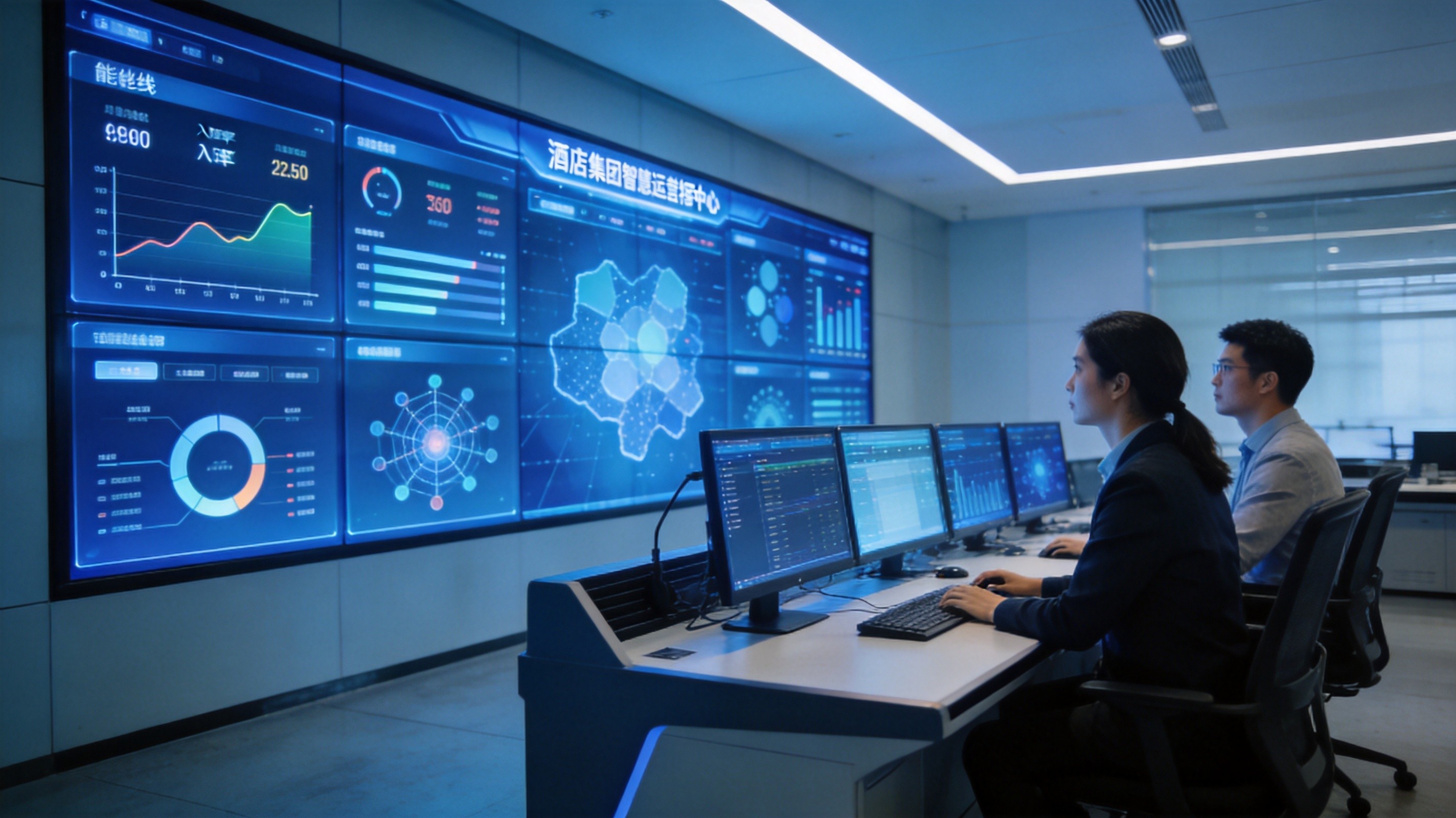
"买硬件"和"买生态"的本质区别是什么?
| 维度 | 买硬件(旧模式) | 买生态(新模式) |
|---|---|---|
| 付费方式 | 一次性采购,项目制 | 持续订阅,按需付费 |
| 交付物 | 设备+安装 | 设备+平台+数据+持续优化 |
| 价值曲线 | 部署时最高,之后递减 | 部署后持续增长 |
| 升级能力 | 需要重新采购 | 平台OTA远程升级 |
| 数据能力 | 无或弱 | 实时采集、分析、决策 |
| 增收能力 | 无 | 增值服务、能耗优化、人效提升 |
| 方案商关系 | 项目结束即断开 | 长期绑定,共同对结果负责 |
这个转变的底层驱动力是数据。
在传统硬件模式下,酒店的设备是"哑巴"——空调开了就开了,不知道空房间有没有在浪费电;电视装了就是成本,不知道能不能变成收入来源;门锁换了就完了,不知道客人进出频率和能耗的关联。
在生态模式下,每一台设备都是数据采集节点。RCU主机采集用电数据,温控面板采集环境数据,智能门锁采集行为数据,智慧屏采集消费偏好数据——这些数据汇聚到SaaS云平台,经过AI分析后,转化为可执行的运营决策:
数据不是副产品,数据是持续创造价值的引擎。这就是"买生态"的本质——你买的不是设备,而是数据驱动的持续运营能力。
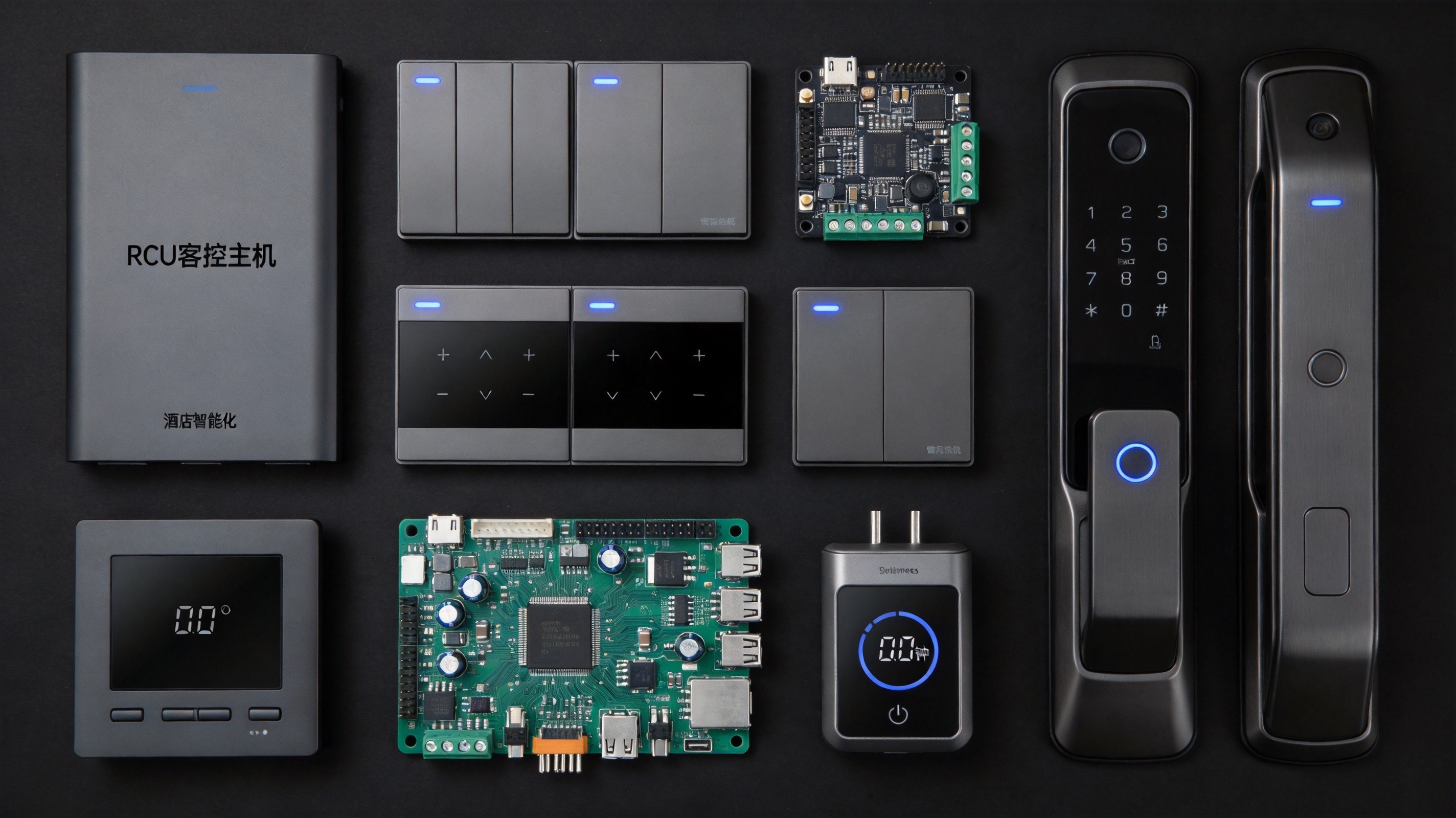
深圳杰龙先创科技有限公司(成立于2011年)提出的H-EDOS智联生态体系,正是对"买生态"这一行业趋势的系统性回应。
H-EDOS的全栈能力覆盖酒店智能化的每一个关键节点:
设备层(感知+执行):
平台层(数据+决策):
关键差异化在于:这10大产品线全部自研自产,从第一天就按"一个生态"来设计。
这意味着:
H-EDOS的四项基本原则,精确对应酒店投资人的四个核心诉求:
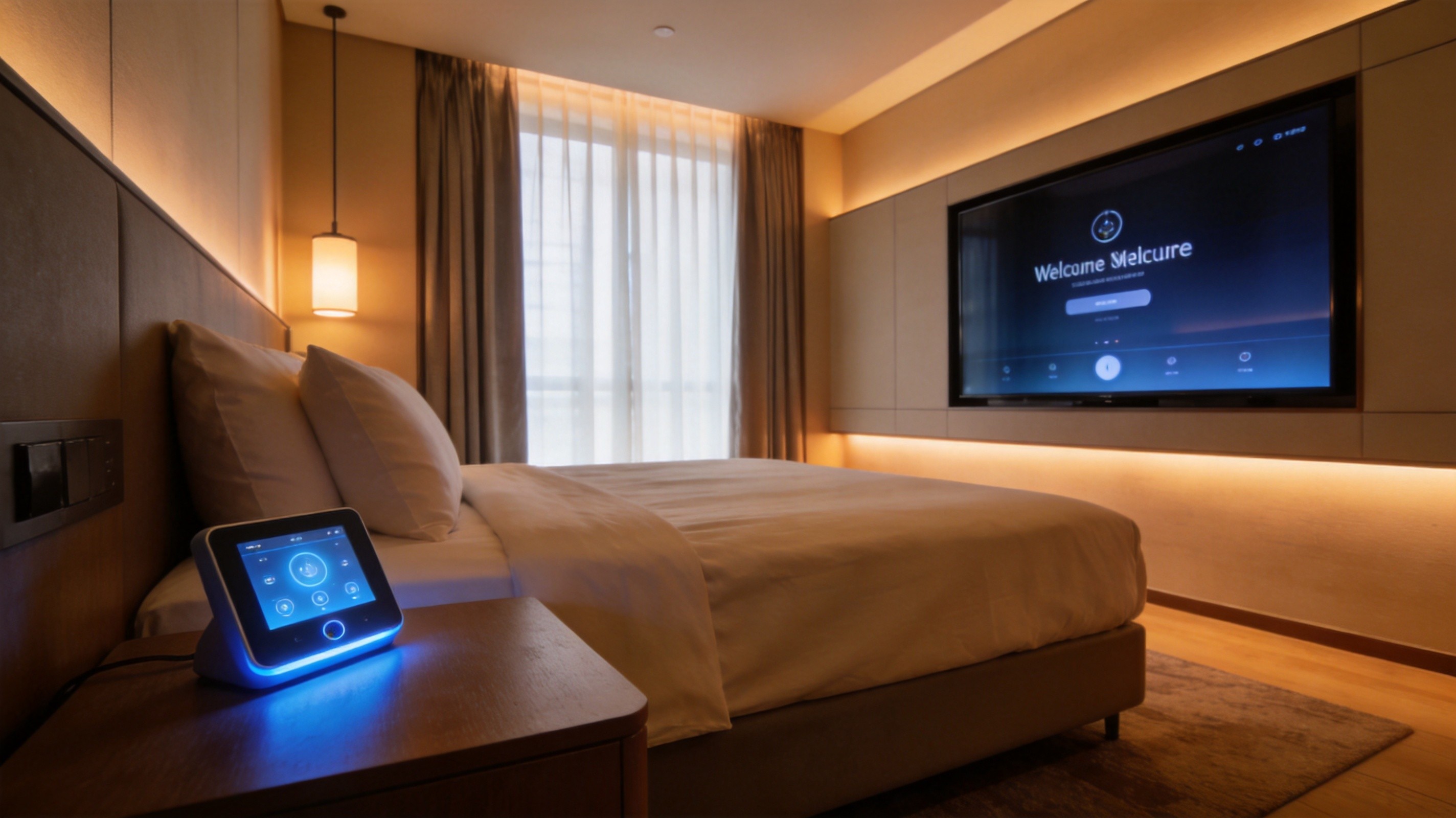
传统硬件采购的经济学很简单:买一套设备花X万,用5-8年报废,再买一套。这是一个成本中心的逻辑。
生态模式的经济学完全不同。以H-EDOS为例,一套完整的智联生态部署后,每年产生三类持续收益:
第一类:降本收益
第二类:增收收益
第三类:资产增值收益
三类收益叠加,一套H-EDOS生态每年为酒店创造的综合价值,远超硬件采购成本。 这才是"买生态"的底层经济逻辑——你不是在花钱买设备,你是在投资一个持续产生回报的运营系统。
2026年的酒店智能化行业,正在形成清晰的两极分化:
一条路:继续买硬件。 设备品牌分散,协议不互通,数据孤岛严重,AI能力缺失。系统部署后没有持续优化能力,能耗浪费逐年累积,人力成本只增不减。3-5年后设备老化,需要重新采购。这是一条成本递增、价值递减的路。
另一条路:买生态。 全栈自研,一个系统打通所有设备。数据实时采集,AI持续优化。能耗年年降,人效年年升,收入年年增。平台远程OTA升级,设备越用越聪明。这是一条成本递减、价值递增的路。
这两条路之间的差距,正在以每年20%-30%的速度扩大。
对于酒店投资人而言,2026年的核心决策已经不是"要不要做智能化",而是"买一套用几年就淘汰的硬件,还是接入一个越用越值钱的生态"。
答案,已经越来越清晰。
深圳杰龙先创科技有限公司 | H-EDOS智联生态
联系人:王先生 15986797639(微信同号)
客服热线:400-6808-592
标签(中文): #杰龙先创 #H-EDOS #智慧酒店 #智能客控系统 #RCU #RCU客控主机 #酒店智能化 #酒店智能化改造 #酒店省钱 #酒店节能 #酒店增收 #智能温控 #电动窗帘 #智能开关 #智慧屏 #IPTV #智能门锁 #PMS系统 #SaaS云平台 #公区控制 #楼宇控制 #酒店能耗管理 #酒店物联网 #酒店IoT #杰龙先创科技 #酒店ROI #酒店降本 #全场景智能控制 #酒店数字化
Tags (English): #JELON #H-EDOS #SmartHotel #HotelRCU #GuestRoomControl #HotelAutomation #HotelEnergy #HotelIoT #SmartHotelSolution #HotelIntelligence #HotelTechnology #EnergyEfficiency #HotelManagement #RoomAutomation #JelonSmartHotel
When AI-powered operations managers handle 73% of daily decisions, when smart room control systems save hotels over ¥600,000 annually in energy costs, and when a complete connected ecosystem can generate million-level incremental revenue without adding headcount — hotel intelligence is undergoing a paradigm shift from "one-time hardware procurement" to "continuous ecosystem capability subscription." The speed of this transition is far faster than most industry participants anticipated.
For the past fifteen years, the dominant procurement logic for hotel intelligence has been "buy hardware by project" — select a vendor, purchase RCU controllers, switches, thermostats, TV systems, install, commission, accept, pay, project over.
This model held until 2020. Hotels simply needed smart devices to exist — switches, voice control, smart screens — enough to improve guest perception.
By 2026, three forces have dismantled this model:
Demand has shifted. Hotel investors no longer ask "how much does this system cost" — they ask "how much will this system earn me." According to 2026 China Tourism Hotel Association data, over 68% of hotel investors now rank "ROI" as the primary decision factor, ahead of equipment brand or technical specifications.
Technology has evolved. AI, IoT, and edge computing have advanced hotel intelligence from "connected devices" to "data-driven operations." A system that can only control lights and AC — without continuously optimizing energy, improving labor efficiency, and generating incremental revenue based on operational data — begins depreciating the day it is deployed.
Competition has transformed. Leading groups like Jin Jiang, Huazhu, and Atour are accelerating "AI-native" deployments. Jin Jiang's "Jinkun" AI platform has built 44 specialized knowledge bases; Huazhu's "Huaxiao" AI agent has executed 1.8 million+ service tasks. These groups are not buying hardware — they are subscribing to continuously evolving system capabilities.
The fundamental difference:
| Dimension | Buy Hardware (Old) | Buy Ecosystem (New) |
|---|---|---|
| Payment | One-time procurement | Continuous subscription |
| Deliverable | Equipment + installation | Equipment + platform + data + optimization |
| Value curve | Peak at deployment, then declining | Grows continuously after deployment |
| Upgrade path | Requires repurchase | OTA remote updates |
| Data capability | None or minimal | Real-time collection, analysis, decisions |
| Revenue generation | None | Value-added services, energy optimization |
The underlying driver is data. In the old model, devices are "dumb." In the ecosystem model, every device is a data collection node — RCU controllers capture energy data, smart thermostats capture environmental data, door locks capture behavioral data, smart screens capture consumption preferences. All data flows to the SaaS cloud platform, where AI converts it into actionable operational decisions.
Data is not a byproduct. Data is the engine of continuous value creation. That is the essence of "buying an ecosystem."
Shenzhen Jelong Xianchuang Technology Co., Ltd. (founded 2011) developed the H-EDOS Smart Ecosystem as a systematic response to this industry shift.
H-EDOS covers every critical node of hotel intelligence:
Device Layer (Sense + Execute):
Platform Layer (Data + Decision):
The critical differentiator: all 10 product lines are self-developed, designed from day one as a single unified ecosystem.
H-EDOS operates on four principles aligned with investor priorities:
Traditional hardware procurement is a cost center — spend X, use for 5-8 years, replace.
Ecosystem economics are fundamentally different. A deployed H-EDOS ecosystem generates three categories of continuous returns annually:
Cost Reduction: Energy savings ~¥2,000/room/year + Labor savings ¥180K-300K = ¥380K-500K annually for 100 rooms.
Revenue Generation: Smart screen value-added services ¥300K-400K + Experiential retail ¥200K-300K + OTA ranking improvement leading to RevPAR +15%-25%.
Asset Appreciation: Higher intelligence scores lead to better OTA rankings, higher occupancy and ADR; green energy data improves ESG ratings and lowers financing costs.
Combined, these returns far exceed hardware procurement costs. This is the fundamental economic logic of "buying ecosystems" — you are not spending money on equipment; you are investing in an operational system that continuously generates returns.
Hotel intelligence in 2026 is forming a clear bifurcation:
Path A: Continue buying hardware. Fragmented brands, incompatible protocols, data silos, no AI capability. Equipment ages, costs accumulate, value declines. This is a path of increasing cost, decreasing value.
Path B: Buy an ecosystem. Full-stack, unified system. Real-time data, continuous AI optimization. Energy costs decline yearly, efficiency improves yearly, revenue grows yearly. Remote OTA updates keep the system getting smarter. This is a path of decreasing cost, increasing value.
The gap between these two paths is widening at 20%-30% per year.
For hotel investors in 2026, the core question is no longer "should we go smart" — it is "do we buy hardware that becomes obsolete in five years, or do we connect to an ecosystem that grows more valuable every year?"
The answer is becoming unmistakably clear.
Shenzhen Jelong Xianchuang Technology Co., Ltd. | H-EDOS Smart Ecosystem
Website: http://www.jeloxf.com
Email: yzy8427@jeloxf.com
Tags: #JELON #H-EDOS #SmartHotel #HotelRCU #GuestRoomControl #HotelAutomation #HotelEnergy #HotelIoT #SmartHotelSolution #HotelIntelligence #HotelTechnology #EnergyEfficiency #HotelManagement #RoomAutomation #JelonSmartHotel