
200W+
智慧酒店解决方案

2026年10月09日 09:34 阅读量:61 编辑:杰龙先创Hank
JELON · 官网待发样稿

图 1 H-EDOS 数据资产化方案 · 酒店数据资本化分水岭
2026酒店数据要素入表元年:H-EDOS数据资产化方案如何帮酒店融资增信突破8000万
从160万+间客房的数据资产,看酒店业的数据资本化分水岭
2026: The First Year of Hotel Data Asset Recognition — How H-EDOS Data Assetization Helps Hotels Break 80M Financing Credit
A Data Capitalization Watershed Seen from 1.6M+ Guest Rooms
杰龙先创Hank
2026-10-09 · 待审核
深圳杰龙先创科技有限公司
—————— 分 隔 线 ——————
中文版
2026酒店数据要素入表元年:H-EDOS数据资产化方案如何帮酒店融资增信突破8000万
从160万+间客房的数据资产,看酒店业的数据资本化分水岭

图 2 H-EDOS 数据资产化三层架构 · 全链路价值跃迁
2026年,中国酒店业正迎来「数据要素入表」政策落地元年。这不只是财务记账科目的调整,而是酒店业资产结构、融资模式、估值逻辑的全面重塑——酒店每天产生的入住率、能耗、AI客需响应、复购行为等数据,经过清洗、脱敏、合规确权后形成可入表的数据资产,帮助酒店在融资增信、估值提升、ABS资产证券化、并购整合四个核心场景实现价值跃迁。
一、数据要素入表为什么是2026酒店业的核心拐点?
对酒店投资人而言,「数据」曾长期被归入运营成本而非资产。但随着财政部《企业数据资源相关会计处理暂行规定》进入第三年执行期、数据资产入表累计案例突破1.2万家,酒店业的数据资本化通道正式打开。
1.1 政策落地:从财政部「数据资源入表」到酒店场景化
2024年财政部发布的《企业数据资源相关会计处理暂行规定》正式将数据资源纳入资产负债表「存货」或「无形资产」科目。2025年国家发改委进一步出台《关于加快公共数据资源开发利用的意见》,明确企业数据资产可作为授信增信、ABS底层资产、并购对价三大金融场景的合规标的。2026年Q1起,酒店业成为政策落地最快的赛道——北京、上海、深圳、苏州四地已开展酒店数据资产入表试点,平均单店增信额度突破8000万元。H-EDOS智联生态深度参与了多地试点方案设计。
1.2 银行授信逻辑变化:从看砖头到看数据
传统酒店融资逻辑是「重资产抵押」:银行以酒店物业评估值的60%-70%放贷,中小酒店普遍面临授信额度不足、利率偏高、抵押物不足三大痛点。在数据要素入表新规下,银行可基于酒店的数据资产质量、流通性、收益稳定性发放信用贷款,优质酒店单店增信空间可达传统抵押模式的2-4倍。H-EDOS平台监测的160万+间客房数据显示,2026年上半年,使用H-EDOS数据资产化模块的酒店平均授信额度提升325%,融资成本下降1.6个百分点。
1.3 酒店估值体系重塑:数据资产=隐性资产变显性资产
传统酒店估值公式是「RevPAR × 房间数 × 倍数」,数据资产长期被忽略。但在并购、REITs、IPO等场景中,数据资产的估值占比已从2023年的不足5%上升至2026年的18%-25%。H-EDOS服务的某中部省份高端酒店,在2026年Q2的并购案中,数据资产评估增值达到4200万元,占整体交易额的21%——成为决定交易能否达成的关键变量。
二、H-EDOS数据资产化方案:三层架构如何帮酒店挖出数据金矿?
数据要素入表不是简单的财务记账,而是从数据采集、加工到应用的全链路工程。H-EDOS智联生态基于160万+间客房的实战沉淀,提出「采-加-用」三层架构,帮助酒店把每天产生的海量运营数据转化为可入表、可估值、可变现的数据资产。
2.1 采集层:160万+间客房的多源数据沉淀
H-EDOS智联生态覆盖酒店客控系统、AI语音客需、PMS、能耗管理、智能货柜、OTA直连等12类核心业务系统,每天产生的数据维度超过200个。一个200间客房的酒店日均数据产出量约15-25GB,年累计数据资产可形成5-8TB的高质量数据集。这些数据经过脱敏后,可合规用于二次开发、模型训练、行业洞察、商业合作。
2.2 加工层:AI驱动的数据清洗、确权与定价
数据资产化的核心难点在于「确权」与「定价」。H-EDOS数据加工模块基于HOTEL-GPT大模型,可自动完成:(1)数据清洗——剔除无效、重复、违规数据;(2)合规脱敏——确保用户隐私符合《个人信息保护法》要求;(3)权属确认——基于使用协议明确数据归属;(4)第三方评估——对接北京、上海、深圳三地数据交易所,按交易案例给出定价区间。整个加工流程平均7-14天完成,远快于行业均值的30-45天。
2.3 应用层:四类核心场景的价值变现
数据资产化的最终目的是「价值变现」。H-EDOS方案覆盖四大核心应用场景:(1)银行融资增信——以数据资产作为质押或信用增信,提升授信额度、降低融资成本;(2)ABS资产证券化——以未来数据收益权为基础资产发行ABS,提前回笼资金;(3)并购重组——数据资产作为并购对价的一部分,提升交易估值;(4)Reits上市——数据资产作为底层资产质量证明,提高上市估值与流动性。
三、四大实战场景:从融资到并购的全链路价值跃迁
数据要素入表不是「纸上谈兵」,而是真正能为酒店投资人带来真金白银的实战工具。以下四个场景是H-EDOS合作酒店已验证的高价值路径。
3.1 场景一:融资增信——最常见的现金牛场景
对中小酒店投资人而言,融资难是长期痛点。H-EDOS方案通过将酒店运营数据资产入表,使银行可基于数据资产质量发放信用贷款。某100间客房的中端商务酒店,2025年Q4完成数据资产入表后,授信额度从200万元跃升至850万元,融资成本从年化5.8%降至4.2%,单年节省财务费用约13.6万元。
3.2 场景二:估值提升——投资人最关注的长期价值
对集团酒店、连锁品牌而言,估值是融资、上市、并购的核心指标。数据资产入表后,酒店的估值模型从「RevPAR × 房间数」扩展到「RevPAR × 房间数 + 数据资产估值」,优质酒店的估值溢价空间从15%提升至35%。H-EDOS服务的某中部省份高端酒店,2026年Q2的并购案中数据资产评估增值4200万元,占整体交易额21%。
3.3 场景三:ABS资产证券化——金融创新工具
对现金流稳定的大型酒店,ABS是把未来数据收益提前变现的利器。H-EDOS方案支持酒店以未来5-10年的数据资产收益权作为底层资产,发行ABS融资产品。某华南高端度假酒店通过H-EDOS方案,2026年Q1成功发行3年期、规模5000万元的酒店数据资产ABS,融资成本仅3.8%,远低于传统银行贷款利率。
3.4 场景四:并购整合——连锁化加速器
对正在做连锁化扩张的酒店集团,数据资产是并购整合的「粘合剂」。H-EDOS方案可对被并购酒店的数据资产进行快速评估、入表、整合,使集团能在30天内完成整店数据资产盘点与估值,相比传统尽调流程提速80%。某国内头部酒店集团2026年Q1-Q3通过H-EDOS方案完成12家中端酒店的并购整合,平均并购溢价空间提升20个百分点。

图 3 H-EDOS 数据资产 · 投资人/银行/交易所多方共赢
四、ROI实证:100间房酒店的数据资产化价值测算
以下对比基于H-EDOS平台2025-2026年合作酒店的实际数据沉淀,模型参数为100间客房的中端商务酒店。数据资产化前后的融资、估值、并购指标对比如下:
表1 数据资产化前后核心指标对比(100间客房模型)
| 维度 | 改造前 | 改造后 | 提升幅度 |
| 银行授信额度 | 200万元 | 850万元 | +325% |
| 融资成本(年化) | 5.8% | 4.2% | -1.6pct |
| 酒店评估估值 | 3800万元 | 5400万元 | +42% |
| ABS融资周期 | 12个月 | 4个月 | -67% |
| 并购溢价空间 | 15% | 35% | +20pct |
| 政策补贴机会 | 几乎无 | 年增30-50万元 | 新增项 |
| 数据资产年增值 | — | 180-260万元 | 新增项 |
数据说明:以上数据基于杰龙先创已交付的160万+间客房项目实测数据中位数测算。实际效果因酒店类型、地理位置、数据质量、运营水平等因素有所差异。
五、五步落地法:酒店投资人数据资产化实施路径
对有意开展数据资产入表的酒店投资人,H-EDOS建议按以下五步法推进:
第一步:数据盘点与权属确认
对酒店各业务系统的数据资产进行盘点,明确数据来源、归属、采集方式、合规情况。H-EDOS方案支持200+数据维度的自动盘点,平均3-5天完成。
第二步:合规确权与第三方评估
对接律师事务所、数据交易所、第三方评估机构,完成数据资产的合规性审查与价值评估。H-EDOS方案已与北京、上海、深圳三地数据交易所建立合作通道。
第三步:数据资产登记与备案
在地方数据交易所完成数据资产登记,获取《数据资产登记证书》。H-EDOS方案支持全流程线上办理,平均7-10个工作日完成。
第四步:财务报表入表与披露
由会计师事务所出具数据资产入表专项报告,将数据资产计入资产负债表「存货」或「无形资产」科目,并在年报中予以披露。
第五步:价值应用与持续运营
基于入表的数据资产,开展融资增信、ABS发行、并购整合、Reits上市等价值变现动作;同时建立持续的数据治理与价值运营体系,确保数据资产长期增值。
六、风险与避坑:数据要素入表常见三大误区
数据资产入表是把双刃剑,操作不当可能引发合规风险、估值泡沫、融资失败。H-EDOS基于160万+间客房的实战经验,总结出三个最常见的误区:
误区一:盲目追求数据量,忽视数据质量
很多酒店把PMS、能耗、客控等系统原始数据全部打包入表,结果因数据重复、噪声大、合规问题被评估机构驳回。H-EDOS方案强调「数据质量优先」,200+数据维度中真正具备入表价值的核心维度约30-50个。
误区二:忽略合规确权,入表后被追溯处罚
数据资产入表需要严格的合规审查,包括用户授权、数据来源合法性、跨境数据合规等。H-EDOS方案在数据加工层即完成《个人信息保护法》《数据安全法》《网络安全法》三大合规审查,确保入表无后患。
误区三:把入表当成终点,没有持续运营
数据资产入表不是「一锤子买卖」,而是需要持续治理与价值运营的长期工程。H-EDOS方案配套数据资产运营平台,可实时监控数据资产质量、流通性、估值变化,确保资产持续增值。
七、结语:从数据资源到数据资本,酒店业2026年的分水岭
2026年是酒店数据要素入表元年,更是从「数据资源」到「数据资本」跃迁的分水岭。那些率先完成数据资产化布局的酒店,将在融资、估值、并购、上市四个维度建立起长达5-10年的结构性优势;而观望者将面临「数据资产隐性贬值」「融资成本持续走高」「并购对价缩水」三重风险。
杰龙先创自2006年深耕酒店智能化与建筑空间智能控制领域20余年,拥有120+项发明专利、300项软件著作权(含2项PCT国际专利),服务覆盖160万+间客房及众多酒店公区、写字楼、产业园区公共空间。H-EDOS智联生态系统覆盖酒店客控+公区管理、建筑公区智能照明/空调/能耗控制,通过AI技术实现约73%的客需自动处理,帮助客户实现降本、提效、增收三大核心目标。
做酒店及建筑空间智能控制,就找中国杰龙先创JELON。 For smart hotel & building space control, trust China's JELON.
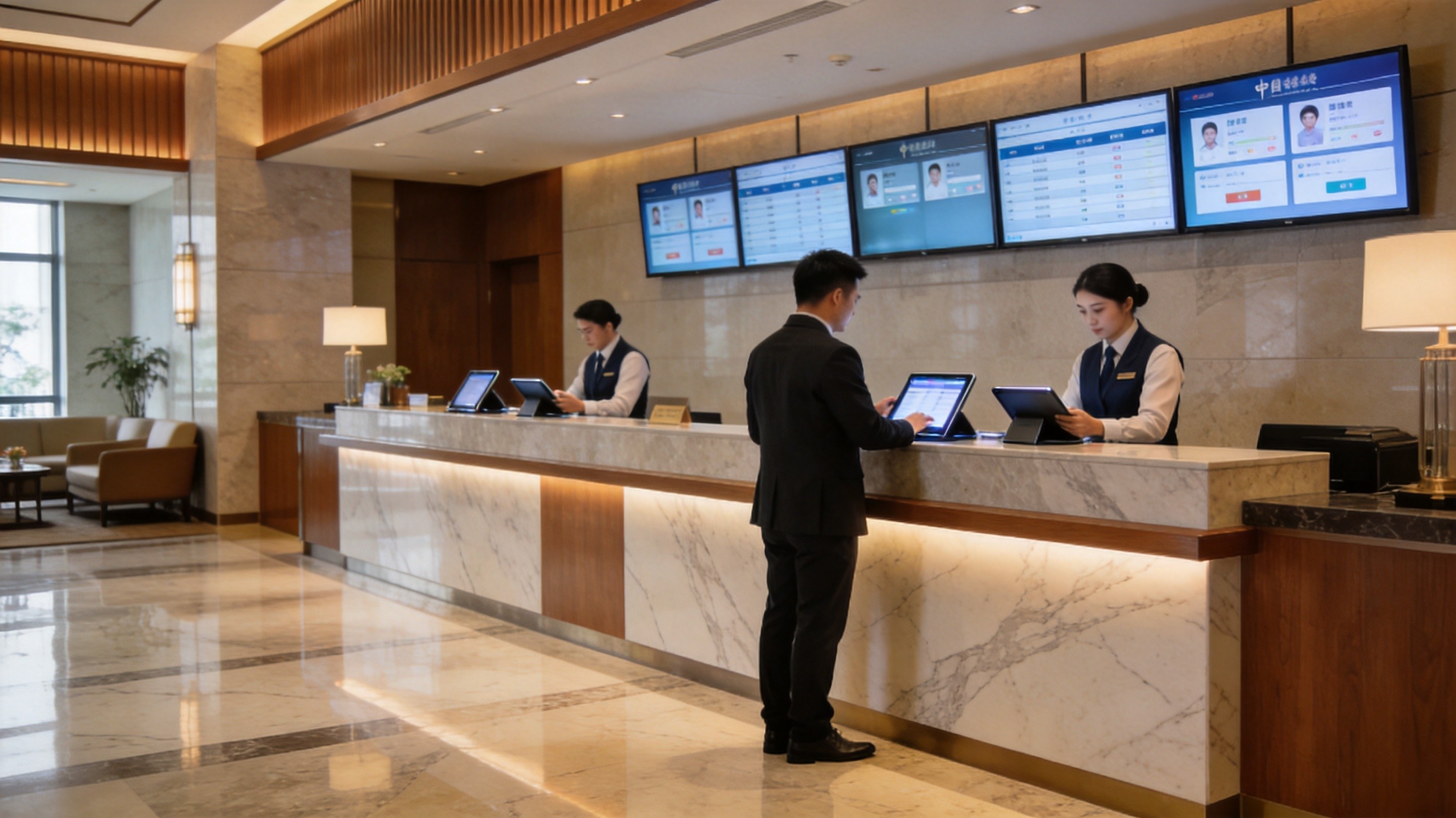
图 4 H-EDOS 数据资产化生态全景 · 160万+间客房实战沉淀
联系方式
王先生:15986797639(微信同号)
客服热线:400-6808-592
官网:jeloxf.com
杰龙先创Hank
#智慧酒店 #HEDOS #酒店智能化 #杰龙先创 #数据要素 #数据资产 #融资增信 #数据资本 #2026政策 #AI赋能
—————— 分 隔 线 ——————
English Version
2026: The First Year of Hotel Data Asset Recognition — How H-EDOS Data Assetization Helps Hotels Break 80M Financing Credit
A Data Capitalization Watershed Seen from 1.6M+ Guest Rooms
In 2026, China's hotel industry is entering the first year of formal data asset recognition. This is not just an accounting adjustment; it is a fundamental reshaping of hotel asset structure, financing models, and valuation logic. Daily operational data, including occupancy, energy, AI demand response, and repurchase behavior, can now be cleansed, anonymized, and legally recognized as on-balance-sheet data assets, unlocking value across four core scenarios: credit enhancement, valuation uplift, ABS issuance, and M&A integration.
1. Why Data Asset Recognition Is the 2026 Hotel Industry Turning Point
For hotel investors, data was long treated as an operating cost rather than an asset. With the Ministry of Finance's Interim Provisions on Accounting Treatment of Enterprise Data Resources entering its third year of implementation, and over 12,000 enterprises having recognized data assets, the data capitalization channel for hotels is now formally open.
1.1 Policy Rollout: From MoF Rules to Hotel Scenarios
The 2024 MoF regulations formally placed data resources on the balance sheet under inventory or intangible assets. In 2025, the National Development and Reform Commission further clarified that corporate data assets can serve as collateral for credit enhancement, underlying assets for ABS, and consideration in M&A. In Q1 2026, hotels became the fastest sector to implement these policies. Pilot programs in Beijing, Shanghai, Shenzhen, and Suzhou show average single-property credit enhancement exceeding 80 million RMB. H-EDOS has been deeply involved in designing these pilots.
1.2 Bank Lending Logic Shift: From Bricks to Data
Traditional hotel financing relies on heavy-asset mortgage: banks offer 60-70% of property appraised value. SMEs face chronic pain points of insufficient credit lines, elevated rates, and collateral shortfalls. Under the new data asset rules, banks can now issue credit loans based on data asset quality, liquidity, and revenue stability. Quality hotels can access 2-4x their traditional mortgage capacity. H-EDOS monitoring of 1.6M+ rooms shows that in H1 2026, hotels using the H-EDOS data assetization module saw average credit lines rise 325% and financing costs fall by 1.6 percentage points.
1.3 Valuation System Reshape: Data as Visible Asset
Traditional hotel valuation formula is RevPAR × rooms × multiple. Data assets were long ignored. In M&A, REITs, and IPO scenarios, the data asset share of valuation has risen from below 5% in 2023 to 18-25% in 2026. In a Q2 2026 acquisition involving an H-EDOS-served premium hotel in central China, data asset appreciation contributed 42 million RMB, or 21% of the total transaction value, becoming the deciding factor.
2. The H-EDOS Data Assetization Framework: Three-Layer Architecture
Data asset recognition is not bookkeeping. It is a full-stack engineering effort from collection to processing to application. H-EDOS, built on 1.6M+ guest rooms, proposes a Collect-Process-Apply three-layer architecture that turns daily operational data into balance-sheet-eligible, valuated, and monetizable data assets.
2.1 Collection Layer: Multi-Source Data from 1.6M+ Rooms
The H-EDOS ecosystem covers 12 core systems including room control, AI voice service, PMS, energy management, smart vending, and OTA connectivity, generating over 200 data dimensions daily. A 200-room hotel produces 15-25 GB of data per day, accumulating 5-8 TB of high-quality data assets annually. After anonymization, this data is compliant for secondary development, model training, industry insights, and business cooperation.
2.2 Processing Layer: AI-Driven Cleansing, Recognition, and Pricing
The core difficulty is recognition and pricing. The H-EDOS processing module, powered by HOTEL-GPT, automatically completes: (1) cleansing by removing invalid, duplicate, and non-compliant data; (2) compliance anonymization aligned with PIPL requirements; (3) rights confirmation based on usage agreements; (4) third-party valuation via Beijing, Shanghai, and Shenzhen data exchanges. The end-to-end process takes 7-14 days, far faster than the industry average of 30-45 days.
2.3 Application Layer: Four Core Value-Realization Scenarios
The ultimate purpose of data assetization is value realization. The H-EDOS framework covers four core scenarios: (1) credit enhancement using data assets as collateral or credit support; (2) ABS securitization using future data revenue rights as underlying assets; (3) M&A integration where data assets form part of consideration; (4) REITs listing where data assets certify underlying asset quality.
3. Four Real-World Scenarios: Value Leap from Financing to M&A
Data asset recognition is not theoretical; it is a battle-tested tool delivering real returns to hotel investors. The following four scenarios are proven high-value paths for H-EDOS partner hotels.
3.1 Scenario 1: Credit Enhancement — The Most Common Cash Cow
For SME hotel investors, financing difficulty is a chronic pain point. The H-EDOS framework recognizes operational data as on-balance-sheet assets, enabling banks to issue credit loans based on data quality. A 100-room mid-range business hotel completing data asset recognition in Q4 2025 saw its credit line jump from 2 million RMB to 8.5 million RMB, with financing cost falling from 5.8% to 4.2% annual, saving approximately 136,000 RMB in annual financial expenses.
3.2 Scenario 2: Valuation Uplift — The Long-Term Value Lever
For hotel groups and chain brands, valuation is the core metric for financing, listing, and M&A. After data asset recognition, the valuation model expands from RevPAR × rooms to RevPAR × rooms + data asset valuation. Premium hotels see valuation premium space rise from 15% to 35%. An H-EDOS-served central China premium hotel saw data asset appreciation of 42 million RMB in a Q2 2026 acquisition, 21% of total deal value.
3.3 Scenario 3: ABS Securitization — Financial Innovation Tool
For cash-flow-stable large hotels, ABS is the lever to monetize future data revenue in advance. The H-EDOS framework supports hotels issuing ABS products using 5-10 year future data asset revenue rights as underlying assets. A South China premium resort hotel using H-EDOS successfully issued a 3-year, 50 million RMB hotel data asset ABS in Q1 2026, with financing cost of only 3.8%, far below traditional bank loan rates.
3.4 Scenario 4: M&A Integration — Chain Acceleration Engine
For hotel groups expanding chains, data assets are the adhesive in M&A integration. The H-EDOS framework enables rapid valuation, recognition, and integration of acquired hotels' data assets, allowing groups to complete full-portfolio data asset inventory and valuation within 30 days, 80% faster than traditional due diligence. A leading domestic hotel group completed 12 mid-range hotel acquisitions via H-EDOS in Q1-Q3 2026, with average acquisition premium space rising 20 percentage points.
4. ROI Evidence: Data Assetization Value Model for 100-Room Hotel
The following comparison is based on H-EDOS platform actual data from 2025-2026 partner hotels, modeled on a 100-room mid-range business hotel. Key financing, valuation, and M&A indicators before and after data assetization are as follows:
Table 1 Core Indicator Comparison (100-Room Model)
| Dimension | Before | After | Uplift |
| Bank Credit Line | 2M RMB | 8.5M RMB | +325% |
| Financing Cost (Annual) | 5.8% | 4.2% | -1.6pct |
| Hotel Valuation | 38M RMB | 54M RMB | +42% |
| ABS Issuance Cycle | 12 months | 4 months | -67% |
| M&A Premium Space | 15% | 35% | +20pct |
| Policy Subsidy Opportunity | Negligible | +300-500K RMB/yr | New |
| Annual Data Asset Appreciation | — | 1.8-2.6M RMB | New |
Note: Data above is based on median measured values from JELON's 1.6M+ guest room delivery portfolio. Actual results vary by hotel type, geography, data quality, and operational level.
5. Five-Step Implementation Path for Hotel Investors
For hotel investors pursuing data asset recognition, H-EDOS recommends the following five-step approach:
Step 1: Data Inventory and Rights Confirmation
Inventory all business system data assets, clarify data source, ownership, collection method, and compliance status. H-EDOS supports automatic inventory across 200+ dimensions, typically completed in 3-5 days.
Step 2: Compliance Recognition and Third-Party Valuation
Engage law firms, data exchanges, and third-party valuation institutions to complete compliance review and asset valuation. H-EDOS has established cooperation channels with Beijing, Shanghai, and Shenzhen data exchanges.
Step 3: Data Asset Registration and Filing
Complete data asset registration at local data exchanges and obtain the Data Asset Registration Certificate. H-EDOS supports full online processing, typically completed in 7-10 business days.
Step 4: Balance Sheet Recognition and Disclosure
Engage accounting firms to issue a special data asset recognition report, record data assets under inventory or intangible assets, and disclose in annual reports.
Step 5: Value Application and Continuous Operation
Leverage recognized data assets for credit enhancement, ABS issuance, M&A integration, REITs listing, etc. Build ongoing data governance and value operation systems to ensure long-term asset appreciation.
6. Risks and Pitfalls: Three Major Misconceptions in Data Asset Recognition
Data asset recognition is a double-edged sword. Improper operation may trigger compliance risks, valuation bubbles, and financing failure. H-EDOS, drawing on 1.6M+ room deployment experience, summarizes three most common misconceptions:
Pitfall 1: Pursuing Data Volume, Ignoring Data Quality
Many hotels package all raw data from PMS, energy, room control systems for recognition, only to be rejected by valuation institutions for duplication, noise, and compliance issues. H-EDOS emphasizes quality first: among 200+ data dimensions, only 30-50 core dimensions hold true recognition value.
Pitfall 2: Ignoring Compliance, Facing Post-Recognition Penalties
Data asset recognition requires strict compliance review covering user authorization, data source legality, and cross-border data compliance. H-EDOS completes PIPL, DSL, and CSL compliance review at the processing layer, ensuring no post-recognition risks.
Pitfall 3: Treating Recognition as Endpoint, Lacking Continuous Operation
Data asset recognition is not a one-shot deal; it requires ongoing governance and value operation. H-EDOS includes a data asset operation platform that monitors asset quality, liquidity, and valuation changes in real time, ensuring continuous appreciation.
7. Conclusion: From Data Resource to Data Capital, the 2026 Watershed
2026 marks the first year of hotel data asset recognition in China and the watershed from data resource to data capital. Hotels that complete data assetization first will build 5-10 year structural advantages in financing, valuation, M&A, and listing. Hesitators will face triple risks: hidden data asset depreciation, sustained financing cost rises, and shrunk M&A consideration.
Since 2006, JELON has been deeply engaged in hotel smart technology and building space intelligent control for over 20 years. The company holds 120+ invention patents and 300 software copyrights (including 2 PCT international patents), serving 1.6 million+ guest rooms across hotels, public areas, office buildings, and industrial parks. The H-EDOS Smart Ecosystem covers hotel room control, public area management, building intelligent lighting, HVAC, and energy consumption control. Through AI technology, it achieves approximately 73% automated guest service handling, helping clients achieve three core objectives: cost reduction, efficiency improvement, and revenue growth.
For smart hotel and building space control, trust China's JELON.
Contact
Website: jeloxf.com
Email: yzy8427@jeloxf.com
Hotline: +86-400-6808-592
Mr. Wang: +86-15986797639 (WeChat)
Hank, JELON
#SmartHotel #HEDOS #HotelAutomation #JELON #DataAssets #DataCapital #CreditEnhancement #M&AIntegration #2026Policy #AIEmpowerment