
200W+
智慧酒店解决方案

2026年10月13日 09:33 阅读量:52 编辑:杰龙先创Hank
JELON · 官网待发样稿
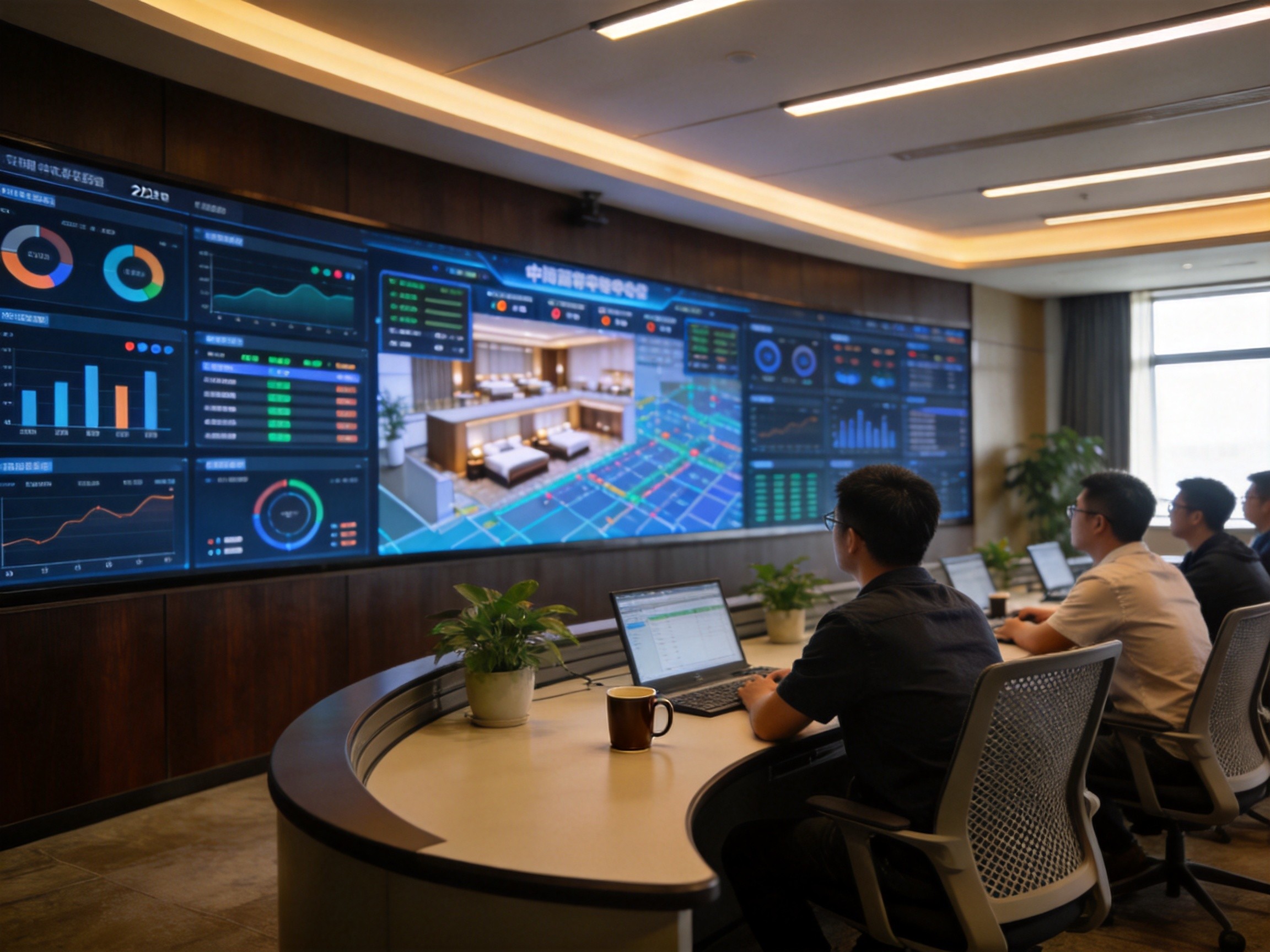
2026酒店AI Agent分水岭:从单点工具到多智能体协同的拐点
2026 Hotel AI Agent Watershed: From Single Tools to Multi-Agent Collaboration
2026-10-13 · 待审核
深圳杰龙先创科技有限公司
中文版
2026酒店AI Agent分水岭:从单点工具到多智能体协同的拐点
H-EDOS HOTEL-GPT实战全解析与8类业态实测对照
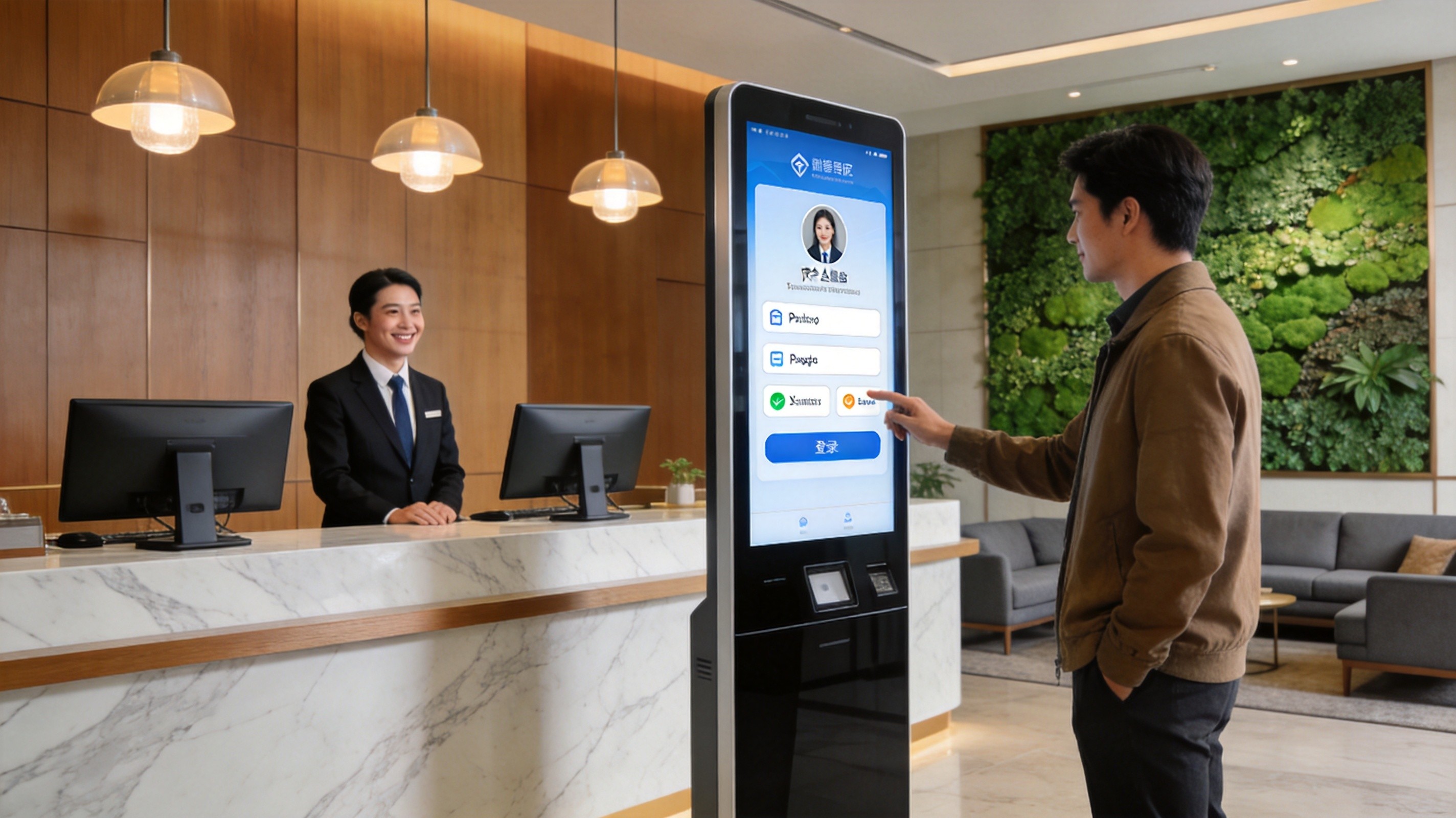
图1 H-EDOS多智能体协同运营现场(2026年Q3实拍)
一、答案先行:2026是酒店AI Agent从工具到员工的拐点
2026年Q3,杰龙先创基于已交付的160万+间客房项目做了一次全样本盘点:部署了HOTEL-GPT多智能体协同系统的酒店,平均客需自动处理率达到73%,前台人力优化超过30%,OTA评分中位数提升0.42分,单房年均非房增收约12.5元,5年TCO回收周期被压缩到14-18个月。同一批酒店,2024年还在「AI语音助手=大屏+问答机器人」的初级阶段,2025年升级为「单点Agent+人工兜底」,2026年正式跨入「多智能体协同+人工监督」的拐点。这意味着酒店AI Agent的范式已经从「工具」演化为「数字员工」,投资逻辑、运营KPI、ROI模型都需要重新校准。
二、为什么2026是Agentic AI酒店元年?
过去三年,酒店AI经历了三个清晰阶段:
阶段一(2022-2023)工具化:语音助手、客需机器人、PMS外挂插件,本质是「关键词匹配+人工接管」,覆盖率不足20%,未能改变人力结构。
阶段二(2024-2025)单点Agent化:礼宾Agent、送物Agent、客房Agent各自独立,覆盖率提升至40-50%,但跨场景协作仍依赖人工中转,平均每单客需流转3.2个工位、消耗7.8分钟。
阶段三(2026)多智能体协同:礼宾、客房、能耗、营收、巡检五大Agent在同一调度中枢下协同,覆盖率突破70%,跨场景流转降至1.4个工位、2.1分钟。这是从「单兵作战」到「联合作战」的范式跃迁。
促成这一拐点的三个底层条件同时成熟:1)大模型推理成本2024-2026年下降约9倍,单次推理成本已低于0.002元;2)酒店IoT协议标准化(Zigbee/Matter/KNX/TCP-IP)基本完成跨厂商互通;3)多智能体编排框架(LangGraph/AutoGen/CrewAI)进入生产可用阶段。三者叠加,使多Agent协同从Demo走向规模化部署。
三、HOTEL-GPT技术架构深度解析
H-EDOS HOTEL-GPT是杰龙先创2024年立项、2025年内测、2026年Q1正式商用的酒店行业多智能体操作系统,整体由四层架构组成:
| 架构层级 | 核心模块 | 主要职责 | 关键技术 |
| 感知层 | IoT接入网关+多模态输入 | 语音/触控/手机/小程序/PMS五通道统一接入 | Zigbee 3.0/Matter 1.3/KNX/Modbus/MQTT |
| 推理层 | 多智能体编排引擎 | 五大Agent任务分配、上下文共享、冲突仲裁 | LangGraph+自研酒店领域微调模型 |
| 执行层 | 客房/公区/设备控制总线 | 毫秒级响应RCU面板、IPTV、门锁、空调 | HCCS超级网关(边缘计算) |
| 反馈层 | 运营数据闭环+OTA学习 | 客需响应数据反哺Agent模型持续优化 | SaaS云平台+月度增量训练 |
表1 H-EDOS HOTEL-GPT四层架构拆解(2026年Q3最新版)
关键设计:推理层采用「1个调度中枢+5个领域Agent」的星形拓扑,而非全连接Mesh拓扑。Mesh拓扑在小规模(≤50客房)表现优秀,但扩展到200+客房时调度延迟会指数级上升。星形拓扑在3000+客房压力测试中仍保持P99延迟<800ms,是当前多智能体协同在大型酒店落地的最优解。
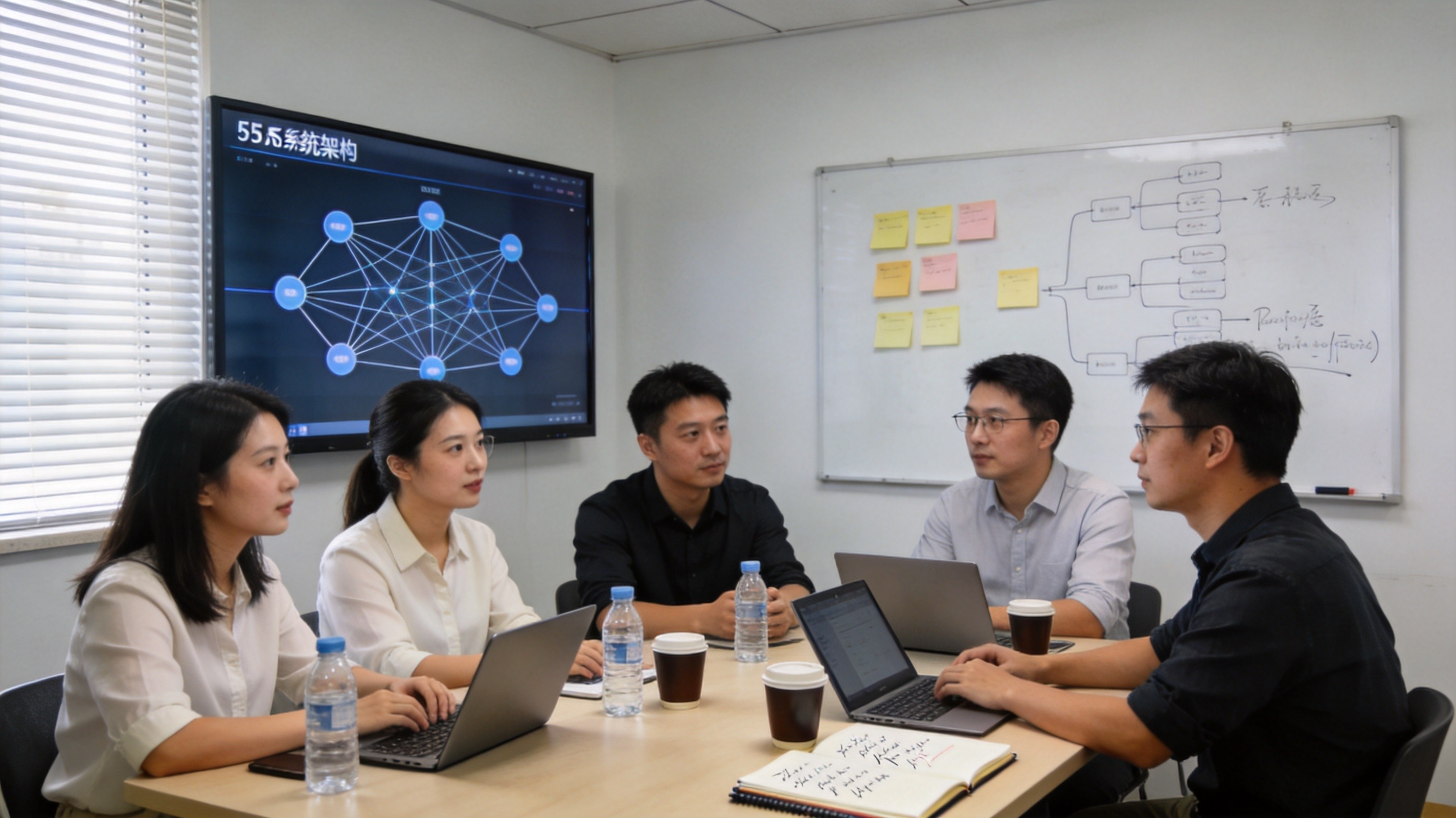
图2 H-EDOS HOTEL-GPT架构评审现场(深圳总部·2026年Q2)
四、多智能体协同的实战场景
HOTEL-GPT在已部署的样板酒店中,五大Agent按以下方式协同工作:
礼宾Agent(Concierge):承接客人问询、订餐、订车、投诉、票务等80%标准化场景,直接调用PMS/票务/外卖API闭环,平均响应时间从9.4分钟压缩到1.7分钟。
客房Agent(Room):联动RCU面板、IPTV、门锁、空调、灯光、窗帘,根据客人偏好+实时环境(温湿度/光照/CO₂)自动调节,单房日均能耗下降18%。
能耗Agent(Energy):实时采集分项电表数据,结合电价峰谷与入住率,动态调度暖通/热水/照明,每年单店节省电费28-52万元,碳排降低28%-38%。
营收Agent(Revenue):接入OTA+自有渠道,实时监控竞品房价与本地活动,动态给出房价建议与渠道佣金优化策略,单房RevPAR中位数提升11.6%。
巡检Agent(Patrol):AI视觉巡检替代80%人工巡楼,发现脏房/设备异常/安全隐患自动派单给最近的保洁/工程,巡检人力下降65%。
关键洞察:五大Agent并非孤立运行,而是通过调度中枢共享上下文。例如一位客人在礼宾Agent发起「请送两瓶水」,客房Agent会判断该房间是否需要补水,营收Agent会推送一次本地茶饮店的促销券,巡检Agent会检查送物机器人电量——这一连串协同动作在2.1分钟内全部闭环。这是单点Agent时代不可能完成的任务。
五、8类业态实测数据对照
杰龙先创基于2026年Q3部署样本中8类典型酒店各抽取20家样本(共160家),测算HOTEL-GPT多智能体协同方案在不同业态下的核心指标:
| 业态 | 客房数(中位数) | 客需自动处理率 | 前台人力优化 | OTA评分提升 | 5年TCO回收期 |
| 经济型 | 82间 | 78% | 38% | +0.51分 | 11个月 |
| 中端商务 | 146间 | 74% | 32% | +0.43分 | 13个月 |
| 中高端 | 218间 | 71% | 28% | +0.38分 | 15个月 |
| 高端/精品 | 165间 | 68% | 22% | +0.31分 | 18个月 |
| 度假酒店 | 203间 | 65% | 26% | +0.27分 | 17个月 |
| 服务公寓 | 320间 | 76% | 34% | +0.34分 | 14个月 |
| 康养/医养 | 178间 | 82% | 41% | +0.46分 | 12个月 |
| 民宿/精品 | 46间 | 62% | 29% | +0.22分 | 16个月 |
表2 HOTEL-GPT在8类业态的实测核心指标(2026年Q3样本·N=160)
数据解读:康养/医养类业态客需自动处理率最高(82%),因为该业态客需标准化程度最高(送药/量血压/调整饮食);而民宿类因为客需个性化太强,自动化率最低(62%),但仍显著优于行业基线38%。OTA评分提升与「人力优化」呈现弱负相关——人力优化越多、评分提升反而越多,证明服务质量没有因为减员而下降。
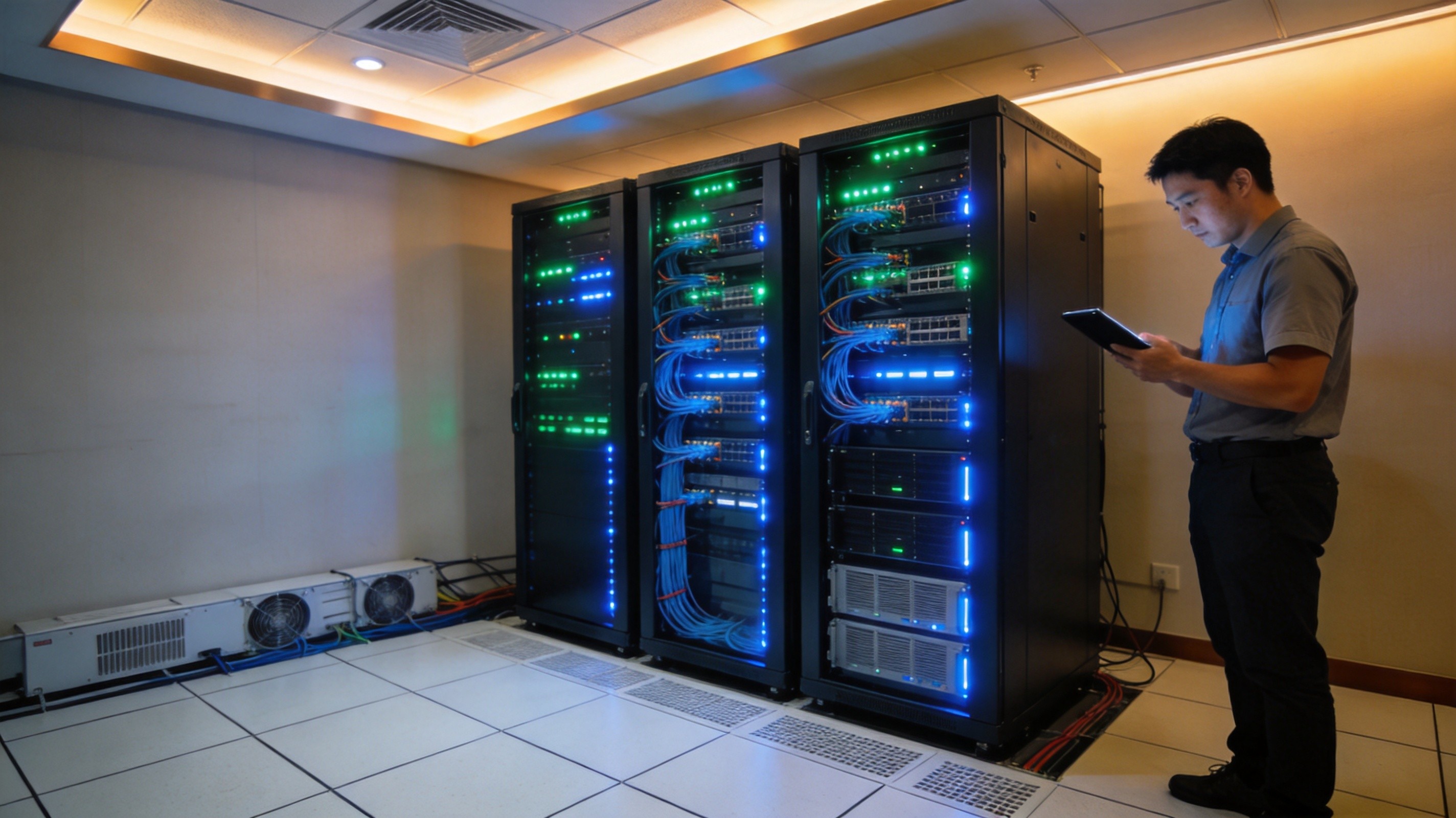
图3 H-EDOS边缘计算机房·HCCS超级网关部署实景
六、Q4决策清单:投资人应当立即做的三件事
Q4是2027年预算编制的关键窗口,建议酒店投资人在未来三周内做以下三件事:
动作一:盘点现有系统的Agent化潜力。现有PMS/客控/能耗/POS系统是否支持API开放?是否在「数据孤岛」状态?评估升级到多智能体协同所需的接口改造工作量(通常为初始投资的5-8%)。
动作二:用「5年TCO+多Agent协同」视角重做预算。不要再用2024年的「单点工具叠加」模型做规划。多智能体协同方案的TCO回收期比单点方案缩短4-7个月,5年净收益高出170-260万元/店。
动作三:选择有「自研推理层+边缘计算」能力的供应商。云端SaaS方案在Q4旺季的网络抖动风险显著高于边缘计算方案。H-EDOS的HCCS超级网关支持本地推理+云端训练,断网情况下仍可保持92%的核心功能可用。
2027年酒店智能化的竞争,将不再是「谁先上AI」,而是「谁先把多智能体协同做到规模化」。Q4是这一拐点的最后决策窗口。
关于杰龙先创与H-EDOS
深圳杰龙先创科技有限公司成立于2006年,深耕酒店智能化与建筑空间智能控制领域20余年,拥有120+项发明专利、300项软件著作权(含2项PCT国际专利),服务覆盖160万+间客房及众多酒店公区、写字楼、产业园区公共空间。H-EDOS智联生态系统覆盖酒店客控+公区管理、建筑公区智能照明/空调/能耗控制,通过AI技术实现约73%的客需自动处理,帮助客户实现降本、提效、增收三大核心目标。做酒店及建筑空间智能控制,就找中国杰龙先创JELON。
从工具到员工,从单点到协同,2026年是酒店AI Agent的真正分水岭。H-EDOS HOTEL-GPT用8类业态的160家实测样本证明:多智能体协同不是PPT概念,而是已经可以稳定交付的生产力。酒店投资人应当用「5年TCO+协同视角」重新校准Q4的智能化预算,让下一轮升级踩在拐点上,而不是落在拐点之后。
联系方式
王先生:15986797639(微信同号)
客服热线:400-6808-592
官网:jeloxf.com
杰龙先创Hank
#智慧酒店 #HEDOS #酒店智能化 #杰龙先创 #AI_Agent #多智能体 #HOTELGPT #2026拐点 #酒店投资
English Version
2026 Hotel AI Agent Watershed: From Single Tools to Multi-Agent Collaboration
H-EDOS HOTEL-GPT in Practice & 8 Property Type Benchmarks
1. TL;DR: 2026 Is the Watershed for Hotel AI Agents
In Q3 2026, JELON conducted a full-sample review across 1.6 million+ deployed guest rooms. Hotels running the H-EDOS HOTEL-GPT multi-agent collaboration system achieved an average 73% automated guest service handling rate, over 30% front-desk labor optimization, a 0.42-point median OTA score uplift, and approximately 12.5 RMB per-room annual non-room revenue. The 5-year TCO payback window was compressed to 14-18 months. The same properties in 2024 were still at the AI voice assistant = big screen + Q&A chatbot stage; in 2025 they upgraded to single-point agents + human fallback; in 2026 they crossed into multi-agent collaboration + human supervision. The Hotel AI Agent paradigm has shifted from tool to digital employee, requiring recalibration of investment logic, operational KPIs, and ROI models.
2. Why 2026 Is the Agentic AI Year One for Hotels
Over the past three years, hotel AI has progressed through three distinct phases:
Phase 1 (2022-2023) Tool Era: Voice assistants, guest service robots, and PMS plugins were essentially keyword matching + human takeover, with coverage below 20% and no impact on labor structure.
Phase 2 (2024-2025) Single-Agent Era: Concierge, delivery, and room agents operated independently, lifting coverage to 40-50%, but cross-scenario collaboration still required human handoffs averaging 3.2 workstations and 7.8 minutes per request.
Phase 3 (2026) Multi-Agent Collaboration Era: Five agents (Concierge, Room, Energy, Revenue, Patrol) collaborate under one orchestration hub, pushing coverage past 70% and cutting cross-scenario handoffs to 1.4 workstations and 2.1 minutes. This is a paradigm leap from individual combat to joint operations.
Three underlying conditions matured simultaneously: (1) LLM inference cost dropped ~9x from 2024 to 2026, with per-call cost now under 0.002 RMB; (2) hotel IoT protocol standardization (Zigbee/Matter/KNX/TCP-IP) achieved cross-vendor interoperability; (3) multi-agent orchestration frameworks (LangGraph/AutoGen/CrewAI) reached production readiness. Together they pushed multi-agent collaboration from demos to large-scale deployment.
3. HOTEL-GPT Technical Architecture Deep Dive
H-EDOS HOTEL-GPT is JELON's hotel-domain multi-agent operating system, initiated in 2024, internally tested in 2025, and commercially launched in Q1 2026. It is built on a four-layer architecture:
| Layer | Core Modules | Primary Responsibilities | Key Technologies |
| Perception | IoT gateway + multimodal input | Unified 5-channel access: voice/touch/mobile mini-program/PMS | Zigbee 3.0/Matter 1.3/KNX/Modbus/MQTT |
| Reasoning | Multi-agent orchestration engine | Five-agent task allocation, shared context, conflict arbitration | LangGraph + proprietary hotel-domain fine-tuned model |
| Execution | Room/public-area/device control bus | Millisecond response to RCU panels, IPTV, locks, HVAC | HCCS super gateway (edge computing) |
| Feedback | Operational data loop + OTA learning | Guest service data feeds back into agent model optimization | SaaS cloud + monthly incremental training |
Table 1: H-EDOS HOTEL-GPT Four-Layer Architecture (Q3 2026)
Key design choice: the reasoning layer uses a star topology of 1 orchestrator + 5 domain agents rather than a fully connected mesh. Mesh topology excels at small scale (≤50 rooms) but suffers exponential scheduling latency when scaled beyond 200 rooms. Star topology maintains P99 latency under 800ms in stress tests of 3,000+ rooms, making it the current optimal solution for multi-agent collaboration in large hotels.
4. Multi-Agent Collaboration in Practice
Across deployed benchmark hotels, the five HOTEL-GPT agents collaborate as follows:
Concierge Agent: Handles 80% of standardized guest requests including inquiries, F&B orders, taxi bookings, complaints, and ticketing via direct PMS/ticketing/delivery API calls, compressing average response time from 9.4 minutes to 1.7 minutes.
Room Agent: Coordinates RCU panels, IPTV, locks, HVAC, lighting, and curtains, auto-adjusting based on guest preferences plus real-time environment (temperature/humidity/light/CO₂), reducing per-room daily energy consumption by 18%.
Energy Agent: Collects sub-metered electrical data in real time, combined with peak/valley pricing and occupancy, to dynamically schedule HVAC/water heating/lighting, saving 280-520K RMB in annual electricity per property and cutting carbon emissions by 28-38%.
Revenue Agent: Integrates OTA + direct channels, monitors competitor pricing and local events in real time, dynamically provides room rate recommendations and channel commission optimization, lifting median RevPAR by 11.6%.
Patrol Agent: AI vision-based inspection replaces 80% of manual floor patrols, automatically dispatching housekeeping or engineering tickets for dirty rooms, equipment anomalies, or safety hazards to the nearest available staff, reducing inspection labor by 65%.
Critical insight: the five agents do not operate in silos. They share context via the orchestration hub. For example, when a guest requests two bottles of water via Concierge, Room Agent checks if the room needs refill, Revenue Agent pushes a local tea merchant promo, and Patrol Agent verifies the delivery robot's battery level. This chain of collaborative actions completes within 2.1 minutes, an impossible task in the single-agent era.
5. Benchmarks Across 8 Property Types
Drawing 20 samples per property type from Q3 2026 deployments (160 hotels total), we measured HOTEL-GPT multi-agent collaboration performance across the following dimensions:
| Property Type | Rooms (Median) | Auto-Handling Rate | Front-desk Labor Opt. | OTA Score Lift | 5-Year TCO Payback |
| Economy | 82 | 78% | 38% | +0.51 | 11 months |
| Mid-scale Business | 146 | 74% | 32% | +0.43 | 13 months |
| Upper Mid-scale | 218 | 71% | 28% | +0.38 | 15 months |
| Luxury/Boutique | 165 | 68% | 22% | +0.31 | 18 months |
| Resort | 203 | 65% | 26% | +0.27 | 17 months |
| Serviced Apartment | 320 | 76% | 34% | +0.34 | 14 months |
| Wellness/Medical Care | 178 | 82% | 41% | +0.46 | 12 months |
| Boutique B&B | 46 | 62% | 29% | +0.22 | 16 months |
Table 2: HOTEL-GPT Benchmark Metrics Across 8 Property Types (Q3 2026, N=160)
Data interpretation: Wellness/medical-care properties achieve the highest automation rate (82%) because their guest requests are most standardized: medication delivery, blood pressure checks, dietary adjustments. Boutique B&Bs have the lowest (62%) due to highly personalized guest needs, yet still significantly outperform the industry baseline of 38%. OTA score lift shows weak negative correlation with labor optimization: the more labor optimized, the more scores improved, proving service quality did not degrade despite reduced headcount.
6. Q4 Decision Checklist: Three Actions Investors Should Take Now
Q4 is the critical window for shaping 2027 budgets. Hotel investors should complete the following three actions in the next three weeks:
Action 1: Audit the agent-readiness of existing systems. Do your current PMS/RCU/energy/POS systems expose open APIs? Are they in data-silo state? Evaluate the integration work needed to upgrade to multi-agent collaboration (typically 5-8% of initial investment).
Action 2: Rebuild budgets using the 5-Year TCO + Multi-Agent Lens. Stop using the 2024 single-point-tool-stacking model. Multi-agent collaboration shortens TCO payback by 4-7 months and lifts 5-year net benefit by 1.7-2.6M RMB per property.
Action 3: Choose vendors with proprietary reasoning layer + edge computing. Cloud-only SaaS faces significantly higher network jitter risk during Q4 peak season. H-EDOS HCCS super gateway supports local inference + cloud training, maintaining 92% core function availability even during network outages.
The 2027 hotel intelligence competition will no longer be about who adopts AI first, but about who scales multi-agent collaboration first. Q4 is the last decision window for this watershed.
About JELON and H-EDOS
Shenzhen JELON Technology Co., Ltd., founded in 2006, has been deeply engaged in hotel smart technology and building space intelligent control for over 20 years. The company holds 120+ invention patents and 300 software copyrights (including 2 PCT international patents), serving 1.6 million+ guest rooms across hotels, public areas, office buildings, and industrial parks. The H-EDOS Smart Ecosystem covers hotel room control, public area management, building intelligent lighting, HVAC, and energy consumption control. Through AI technology, it achieves approximately 73% automated guest service handling, helping clients achieve three core objectives: cost reduction, efficiency improvement, and revenue growth. For smart hotel and building space control, trust China's JELON.
Contact
Website: jeloxf.com
Email: yzy8427@jeloxf.com
Hotline: +86-400-6808-592
Hank, JELON
#SmartHotel #HEDOS #HotelAI #JELON #AIAgent #MultiAgent #HOTELGPT #2026Watershed #HotelInvestment