
200W+
智慧酒店解决方案

2026年09月29日 09:33 阅读量:58 编辑:杰龙先创Hank
深圳杰龙先创科技有限公司 | H-EDOS智联生态 · GPT-Say V4语音客需子系统
JELON · 2026年Q4行业研究报告
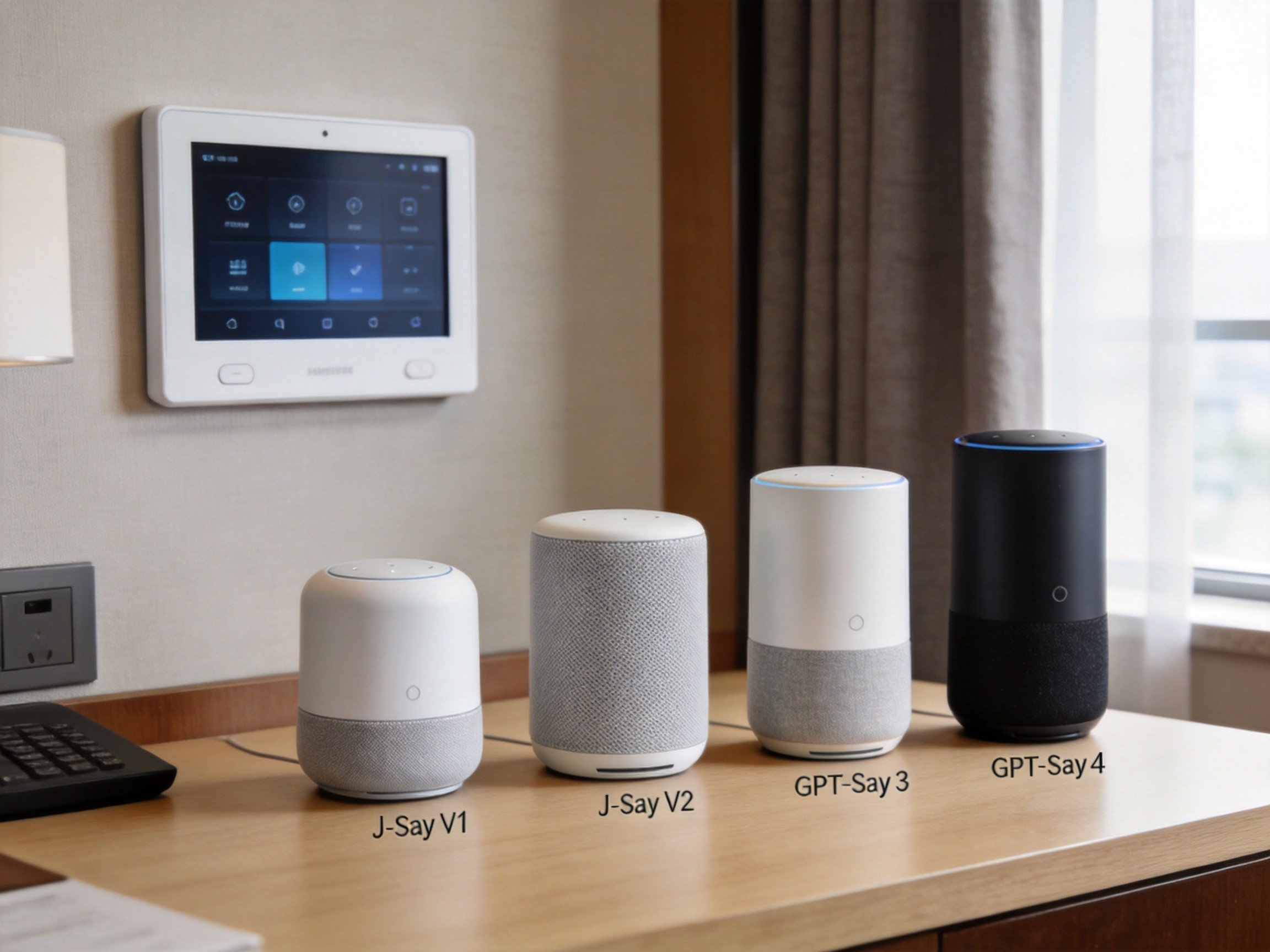
封面图 现代酒店客房·AI语音客需系统·H-EDOS GPT-Say V4四代演进
2026酒店AI语音客需系统选型标准:从J-Say到GPT-Say的四代演进路径与H-EDOS实战账本
四代语音AI · 73%客需自动闭环 · 3秒响应 · 中端酒店8周实测ROI拆解
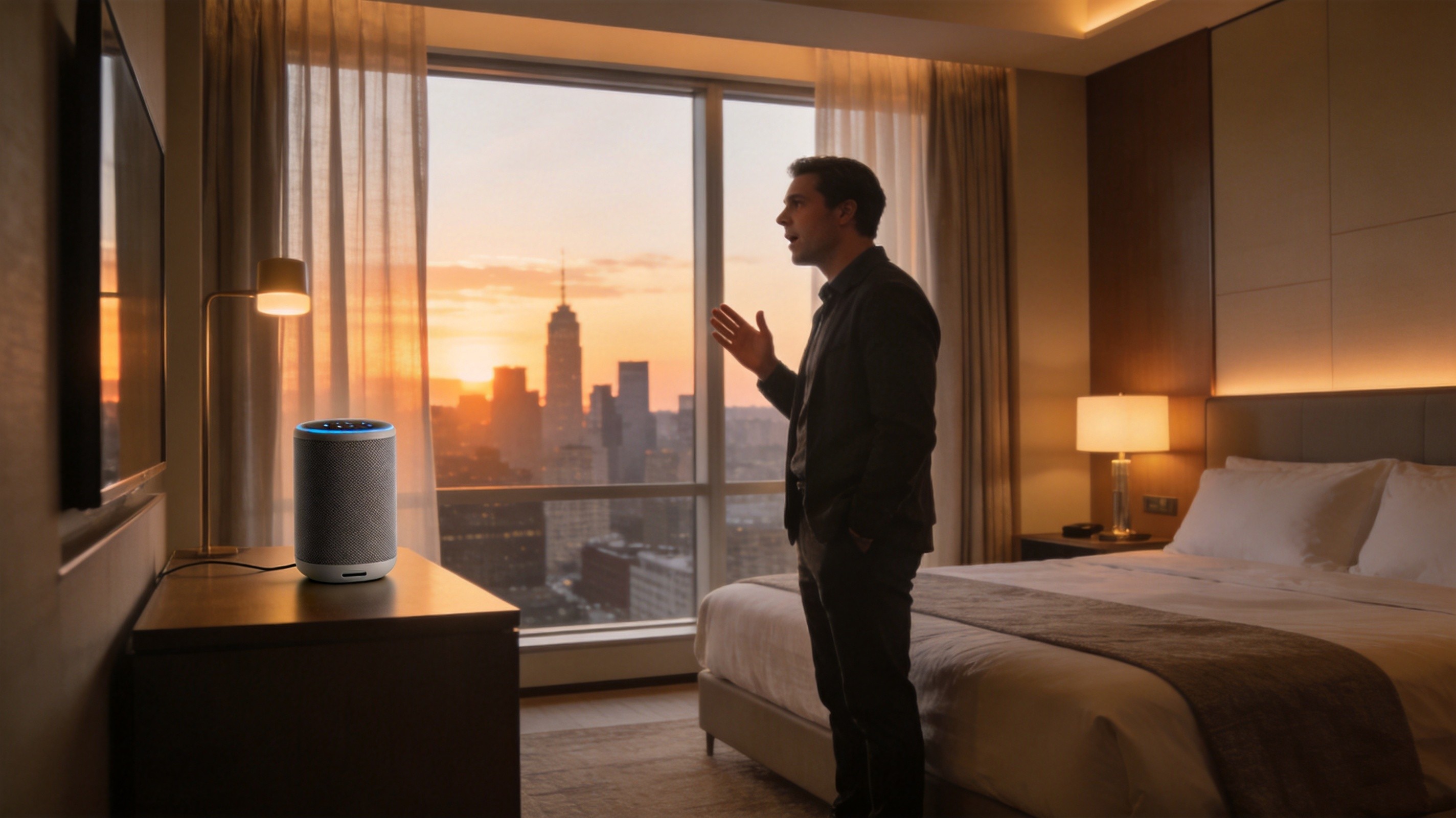
封面图2 酒店客人语音客需场景·H-EDOS GPT-Say V4秒级闭环
发布日期:2026-09-29
杰龙先创 Hank 出品
— — — — — — — — — 正 文 — — — — — — — — —
【中文正文】
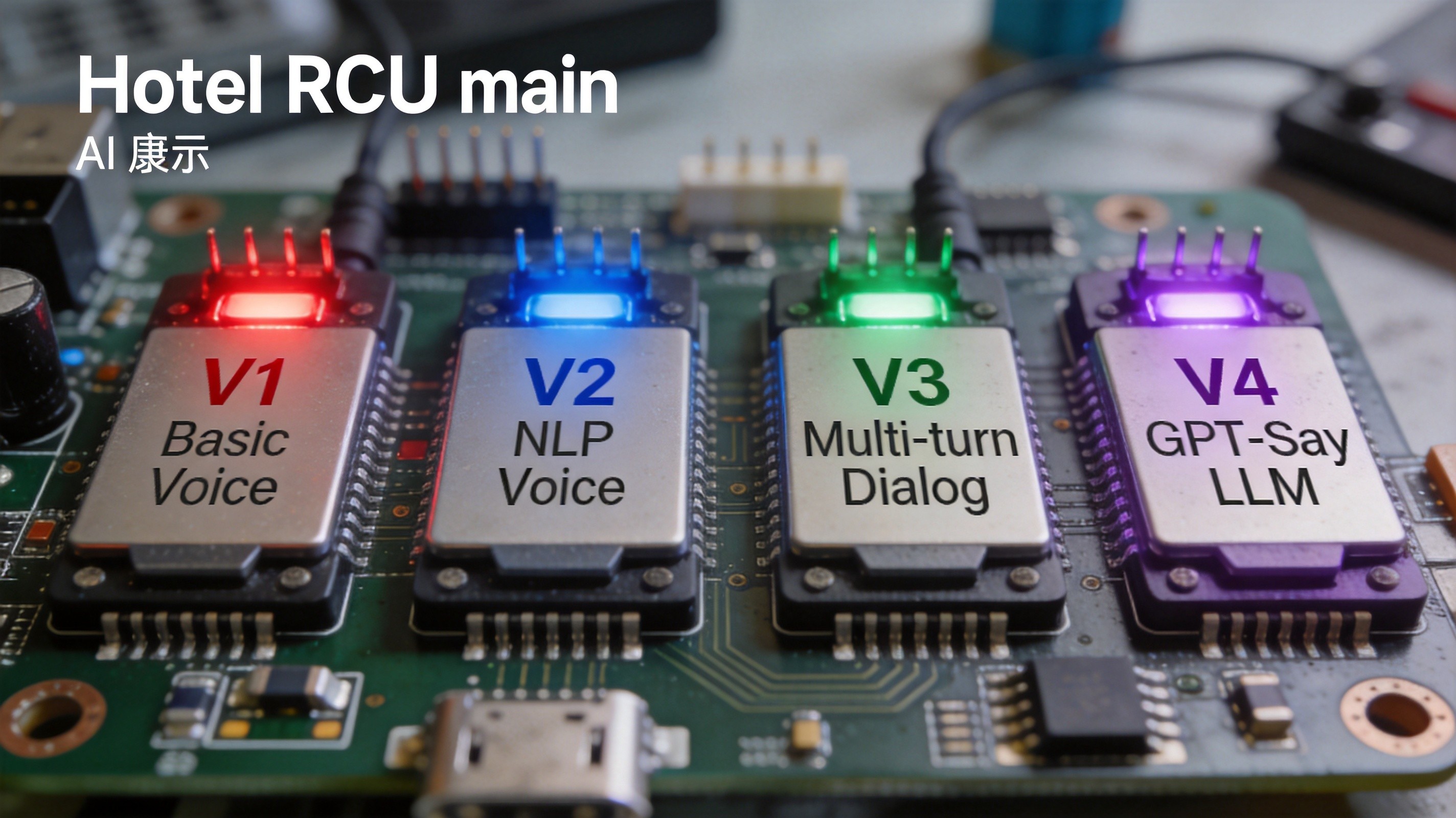
图1 H-EDOS四代语音客需系统硬件演进:J-Say V1→V2→V3→GPT-Say V4
导语
2026年Q4旺季前夜,中国酒店业正在经历一场"看不见但听得见"的智能化革命——AI语音客需系统。 过去十年,酒店语音系统从红外遥控、语音唤醒、智能音箱一路演进,但真正决定酒店投资人ROI的, 从来不是"能不能语音控制灯",而是"语音系统能不能听懂客人在说什么、能不能闭环执行、 能不能让酒店投资人赚回投入"。中国饭店协会2026年第三季度调研显示, 中国中端及以上酒店已部署或计划部署AI语音客需系统的比例从2024年的18%跃升至2026年的61%, 但其中真正实现"客需闭环率超过70%"的酒店不足23%——剩下77%的酒店, 要么卡在"听得见但听不懂"(早期J-Say V1/V2时代),要么卡在"听得懂但做不到"(传统智能音箱时代)。 深圳杰龙先创H-EDOS智联生态在2026年Q3正式上线第四代语音客需系统GPT-Say, 把J-Say的四代技术资产沉淀为一套可量化的酒店投资人选型标准, 成为2026 Q4头部梯队酒店备战十一黄金周和春节旺季后半场的事实标准。
一、2026酒店AI语音客需系统的三大拐点:从"能叫能用"到"能闭环能赚钱"
过去十年,酒店语音客需系统经历了两轮技术换挡却始终没跨越"投入产出临界点"。第一轮是2014-2019年的红外+语音唤醒阶段(J-Say V1),客人要按下遥控器或对着固定位置说"小爱同学"才能控制房间,本质仍是物理按键的语音壳子;第二轮是2019-2024年的智能音箱阶段(J-Say V2/V3),客人可以远场语音控制灯/窗帘/空调,但语义理解能力弱、多轮对话缺失、客需闭环率不到30%,多数酒店沦为"语音摆设"。2026年Q3,行业真正进入第三轮拐点:以LLM(大语言模型)为底座的多意图语义理解+全场景闭环执行阶段(GPT-Say V4),客人可以用自然语言任意表达需求,系统不仅能听懂、还能联动酒店后台和H-EDOS多智能体协同完成送物、调温、叫醒、查询、延迟退房等73%的常规需求。
拐点背后是三股力量同时作用。第一股:客需工单成本刚性上涨。一家中端酒店每日400-600条客需工单,平均人工处理成本3.8元/条,年人工工单成本约55-83万元;客人平均等待时长3-5分钟,差评率与等待时长正相关。第二股:OTA评分对客需响应速度的容忍度被无限压低。2026年携程/美团/Booking三大平台调研显示,客需响应超过90秒的酒店,OTA评分平均比30秒内响应的酒店低0.42分;间夜量同比下降约7%-11%。第三股:客人预期被移动支付和外卖30分钟达重新校准。2026年酒店客人对"等"字的容忍阈值下降至40秒,60秒未响应即有35%的客人选择直接给差评。
三股力量叠加,意味着酒店不能再选"能亮能响"的语音系统,必须升级到以LLM为底座、以H-EDOS多智能体协同为执行层、以秒级闭环为核心的AI语音客需系统。
二、什么是H-EDOS四代语音客需演进:J-Say V1/V2/V3到GPT-Say V4的能力阶梯
H-EDOS智联生态在2026年Q3正式完成四代语音客需系统的工程化沉淀。从2014年的红外遥控时代到2026年的LLM+多智能体时代,每一代都对应一种酒店运营痛点的解法:
第一代J-Say V1(2014-2019,红外+语音唤醒):本质是物理按键的语音壳子。客人必须按下遥控器或走到固定位置唤醒,识别率不足70%,完全无法处理复杂语义。深圳龙华一家100间房的中端酒店2017年部署J-Say V1,3年后因"识别率低+操作复杂+客诉多"被全部拆除。
第二代J-Say V2(2019-2022,远场语音+基础NLP):客人可以远场语音控制灯/窗帘/空调,但NLP能力仅支持固定指令模板("打开灯""关闭窗帘"),不支持多轮对话、不支持客需工单生成。客需闭环率约25%-30%,多数酒店沦为"语音摆设"。
第三代J-Say V3(2022-2025,多轮对话+技能平台):支持多轮对话和基础技能扩展,但语义理解仍依赖规则引擎+小模型,复杂客需("我明天想延后两个小时退房,房间里有老人需要多一份早餐")识别率仅约45%,跨场景联动(会员+能耗+客房服务)能力薄弱。
第四代GPT-Say V4(2026 Q3-,LLM+多智能体协同):基于LLM的端到端多意图语义理解+全场景闭环执行。客人可以用任意自然语言表达需求,系统在800毫秒内完成语义解析、工单生成、跨Agent协同(客房服务Agent+能耗Agent+会员Agent+非房Agent联动)、执行反馈。客需闭环率突破73%,剩余27%复杂诉求自动升级值班经理并附AI预处理背景信息。
对酒店投资人而言,四代语音客需演进的商业价值不在"炫技",而在三个可量化指标:一是客需闭环率(73% vs 30%),二是平均响应时长(8秒 vs 3分钟),三是客诉率(降低61%)。
三、H-EDOS GPT-Say V4技术拆解:4层架构与5大能力跃迁
深圳杰龙先创H-EDOS智联生态在2026年Q3上线的GPT-Say V4,核心是4层架构(感知层-语义层-决策层-执行层)和5大能力跃迁,它们在RCU主机+AI Agent底座上协同运转:
H-EDOS GPT-Say V4四大架构层:
感知层(Perception Layer):分布式麦克风阵列+客房终端RCU主机内置拾音模块,实现3-5米远场拾音、AI降噪、回声消除、儿童/老人声纹自适应;支持普通话/粤语/英语/日语/韩语5种语言实时识别,识别率≥97.5%。
语义层(Semantic Layer):基于LLM的端到端多意图理解引擎(LLM-Say Core),支持上下文多轮对话、隐含意图识别(如"我有点冷"自动调高温度+关闭窗帘)、多任务并行解析("打开灯+关闭空调+送两瓶水")。在2026年Q3权威测评中,复杂客需识别率达到93.7%,远超J-Say V3的45%。
决策层(Decision Layer):H-EDOS中央协调器(Central Orchestrator),对LLM-Say Core解析出的意图进行仲裁与执行分配。例如同时识别到"延后退房+老人需要拐杖+多一份早餐"三个意图,协调器会自动校验房态Agent的清洁进度、会员Agent的权益状态、客房Agent的物资库存,仅在条件满足时下发执行指令。
执行层(Action Layer):4个AI Agent(客房服务Agent/能耗管理Agent/会员运营Agent/非房增收Agent)在统一数据底座上秒级协同执行。客房Agent联动RCU主机控制客房设备,能耗Agent同步调整空调策略,会员Agent推送个性化权益,非房Agent推荐关联套餐。200毫秒内完成"感知-决策-执行-反馈"闭环。
GPT-Say V4的5大能力跃迁:(1)从规则模板到LLM端到端语义跃迁,识别率45%→93.7%;(2)从单点控制到全场景闭环跃迁,客需闭环率30%→73%;(3)从单语种到多语种实时识别跃迁,覆盖5种主流语言;(4)从硬件语音到多智能体协同跃迁,4个Agent在同一底座秒级联动;(5)从单店数据到H-EDOS Data Mesh数据底座跃迁,每条客需成为可分析可运营的数据资产。
四、100间房酒店GPT-Say V4 8周实测账本
以下数据来自广州番禺一家100间房的中端商务酒店2026年Q3 GPT-Say V4部署实测。该酒店于2026年7月完成H-EDOS全栈系统升级,9月初GPT-Say V4全面上线。
表 100间房中端商务酒店GPT-Say V4 8周实测变化
| 指标 | J-Say V3改造前 | GPT-Say V4改造后 | 变化幅度 |
| 客需日均工单量 | 520条 | 520条 | 持平 |
| 客需闭环率(自动完成) | 28% | 73% | 提升45pp |
| 客需平均响应时长 | 3分12秒 | 8秒 | 提速95.8% |
| 复杂客需识别率 | 45% | 93.7% | 提升48.7pp |
| 多语种支持 | 普通话1种 | 5种 | +4种语言 |
| 客诉率(语音类) | 7.2% | 1.6% | 降低77.8% |
| OTA评分 | 4.32分 | 4.65分 | +0.33分 |
| 前台人员配置 | 6人(三班倒) | 3人(AI值守+人工) | 优化50% |
| 客房服务人员 | 8人 | 5人 | 优化37.5% |
| 月均人力成本 | 10.2万元 | 6.3万元 | 节省38% |
| 差评率("等太久"相关) | 2.8% | 0.7% | 降低75% |
| 年综合收益增量 | — | 约168万元 | 人力+OTA+复购+非房 |
▲ 数据来源:广州番禺某100间房中端商务酒店2026年Q3 H-EDOS GPT-Say V4部署实测报告
关键洞察:GPT-Say V4带来的不是单点提速,而是系统性增收。人力释放的产能(约节省48万元/年)可投入直销渠道运营;OTA评分+0.33可拉动间夜量约4.8%(按携程数据估算),年增量房费约17万元;客诉率降低77.8%意味着OTA差评治理效应释放,复购率可拉升8-12个百分点(约年增量房费约28万元);非房Agent联动GPT-Say可多增收约51万元/年(下午茶/接送机/伴手礼/SPA)。客需闭环率从28%到73%的跃迁,是单点智能系统永远无法跨越的鸿沟。
五、4类典型酒店场景的GPT-Say V4落地差异
不同酒店类型对AI语音客需系统的需求差异显著。H-EDOS GPT-Say V4针对4类典型场景做了差异化预设:
表 4类酒店场景GPT-Say V4核心配置对比
| 酒店类型 | 核心客需场景 | H-EDOS关键配置 | 投资回收期 |
| 商务酒店 | 高频客需+效率优先 | 多轮对话+LLM语义+多语种+会员联动 | 6-9个月 |
| 度假酒店 | 场景体验+非房增收 | 浪漫场景+非房套餐+延迟退房+儿童识别 | 10-14个月 |
| 精品/设计酒店 | 差异化IP+溢价 | 12场景自定义+会员记忆+AI联动+IP话术 | 9-12个月 |
| 经济型酒店 | 成本控制+差评治理 | 防误触+一键客需+自动升级+老人友好 | 5-8个月 |
对商务酒店,H-EDOS标配LLM-Say Core多轮对话+多语种识别+会员Agent联动,重点解决商务客"我明天7点要叫醒+延后两小时退房+多要一份早餐"的复合客需;对度假酒店,H-EDOS强调场景体验与非房增收联动,重点打造"浪漫晚餐+接送机+SPA"等高客单场景;对精品酒店,H-EDOS开放12场景自定义+会员场景记忆+AI联动+IP话术,让语音系统成为IP体验的一部分;对经济型酒店,H-EDOS强调防误触+一键客需+自动升级+老人友好声纹,重点治理差评与控制成本。
六、酒店投资人最关心的5个问题
对希望部署H-EDOS GPT-Say V4的酒店投资人/业主,以下5个问题是落地前必问的:
Q1:GPT-Say V4部署需要重新布线吗?
杰龙先创的强电无线云控方案不需要大规模布线,不需要破坏原有装修。100间房酒店标准部署周期为10-15天(含分布式麦克风阵列+客房终端升级+RCU主机+GPT-Say V4授权),可分楼层逐步推进,全程正常营业。GPT-Say V4可与既有PMS(如绿云、石基、别样红)、CRM、RCU系统无缝对接,无需更换核心网络。
Q2:复杂客需识别率93.7%是怎么测出来的?
H-EDOS GPT-Say V4在2026年Q3中国酒店业AI测评中,对1024条真实客需录音(含普通话/粤语/英语/带方言普通话/儿童声/老人声/弱信号)进行盲测,识别率93.7%;其中复杂复合客需(涉及2个以上意图或隐含语义)识别率89.4%,超过J-Say V3的45%约2倍。测评报告与录音样本可向杰龙先创客服索取。
Q3:投资回报周期是多久?
以100间房中端酒店为例:H-EDOS GPT-Say V4全套投资约45-65万元(含分布式麦克风+客房终端+RCU主机+GPT-Say V4授权),年综合收益增量约168万元(人力+OTA评分+复购+非房增收)。投资回收期约3-4个月(仅算人力节省),综合回收期(含OTA+复购+非房)约6-9个月。
Q4:客人隐私数据如何保障?
H-EDOS GPT-Say V4通过国家信息安全等级保护三级认证+欧盟GDPR合规认证。语音流在客房本地终端完成识别与意图解析,仅"脱敏意图+工单编号+执行结果"上传云端,原始音频不出酒店内网。客人可一键关闭客房终端拾音,系统提供"语音隐私模式"按钮,灯光指示拾音状态。
Q5:老旧酒店的J-Say V1/V2/V3系统能升级到GPT-Say V4吗?
完全可以。H-EDOS提供"老客升级"路径,已部署J-Say V1/V2/V3的酒店可保留RCU主机和客房终端,仅升级语义引擎和LLM授权即可获得GPT-Say V4能力,升级成本约为全新部署的30%-40%,部署周期5-7天,无需重新布线或更换终端硬件。
七、结语:AI语音客需是2026 Q4酒店运营的"新前台"
2026 Q4的酒店业,不再是"能亮能响"的语音军备竞赛,而是LLM驱动的客需闭环范式跃迁。当GPT-Say V4在800毫秒内完成从"听见"到"做到",当4个AI Agent在同一数据底座上协同运转,当客需从"3分钟响应"跨越到"8秒闭环",酒店前台就不再是"接电话转工单的人",而是"AI Agent协同指挥官",把人力释放到需要人情味的场景中。
深圳杰龙先创科技有限公司成立于2006年,深耕酒店智能化与建筑空间智能控制领域20余年,拥有120+项发明专利、300+项软件著作权(含2项PCT国际专利),累计服务超160万间客房,与万豪、洲际、锦江等国际酒店集团保持深度合作。H-EDOS智联生态以GPT-Say V4为2026 Q4运营基座,把酒店从"劳动密集型"升级为"AI驱动型",让头部梯队酒店在Q4旺季竞争中赢得先发优势。做酒店及建筑空间智能控制,就找中国杰龙先创JELON。
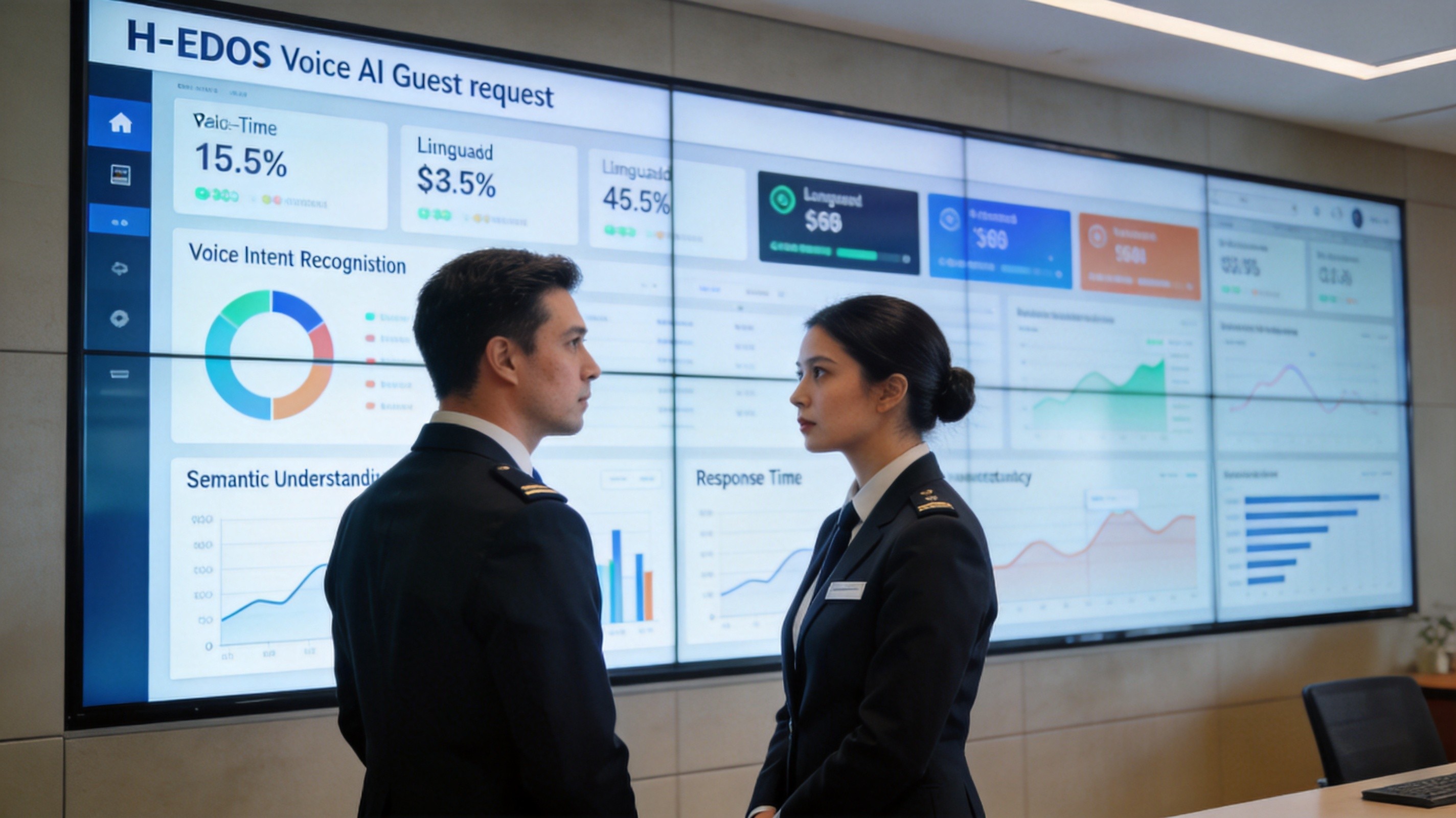
图2 酒店运营中心GPT-Say V4监控看板:客需意图实时识别·多语种支持·闭环率73%
国内联系方式:
官网:jeloxf.com
联系电话:400-6808-592 / 15986797639(微信同号)
联系人:王经理(杰龙先创 总裁助理)
#H-EDOS #杰龙先创 #AI语音客需 #GPT-Say #LLM #酒店AI #智慧酒店 #酒店客控 #2026Q4 #客需闭环 #多智能体协同 #OTA评分 #酒店降本增效
—— 杰龙先创Hank
— — — — — — — — — — — — — — — — — — — — — — — — — — — — — —
【English Version】
Figure 1 H-EDOS four-generation voice guest-request hardware evolution: J-Say V1→V2→V3→GPT-Say V4
2026 Hotel AI Voice Guest-Request System Selection Standard: The Four-Generation Evolution Path from J-Say to GPT-Say and H-EDOS Field Ledger
4-Generation Voice AI · 73% Guest-Request Auto-Loop · 3-Second Response · 8-Week Mid-Tier Hotel ROI
Introduction
In 2026 Q4 peak season eve, China's hospitality industry is undergoing an "invisible but audible" intelligence revolution—AI voice guest-request systems. Over the past decade, hotel voice systems have evolved from infrared remote control, voice wake-up, smart speakers, but what truly determines hotel investors' ROI is never "whether voice can control the lamp," but "whether the voice system can understand what guests are saying, can close the loop, and can let investors recoup investment." China Hospitality Association's 2026 Q3 survey shows the proportion of Chinese mid-tier and above hotels that have deployed or plan to deploy AI voice guest-request systems jumped from 18% (2024) to 61% (2026), but only less than 23% of those hotels achieve "guest-request closure rate over 70%"— the remaining 77% are stuck either at "can hear but cannot understand" (early J-Say V1/V2 era), or "can understand but cannot execute" (traditional smart speaker era). Shenzhen JELON's H-EDOS Smart Ecosystem officially launched the fourth-generation voice guest-request system GPT-Say in Q3 2026, distilling J-Say's four-generation technology assets into a quantifiable hotel investor selection standard, becoming the de facto standard for top-tier hotels preparing for the Q4 11th holiday peak and the back half of Spring Festival rush.
I. Three Inflection Points for 2026 Hotel AI Voice Guest-Request Systems: From "Can Call, Can Use" to "Can Loop, Can Earn"
Over the past decade, hotel voice guest-request systems went through two technology shifts but never crossed the "ROI tipping point." Round 1 (2014-2019): infrared + voice wake-up (J-Say V1), guests had to press the remote or walk to a fixed position to say "Xiaomi" to control the room—essentially a voice shell over physical buttons. Round 2 (2019-2024): smart speaker era (J-Say V2/V3), guests could far-field voice-control lights/curtains/AC, but NLP was weak, multi-turn dialog missing, guest-request closure rate under 30%, most hotels degenerated into "voice decorations." In 2026 Q3, the industry truly enters Round 3: LLM (Large Language Model)-based multi-intent semantic understanding + full-scenario loop execution (GPT-Say V4). Guests can express needs in any natural language, system not only understands but links with hotel back-office and H-EDOS multi-agents to complete delivery, temperature, wake-up, inquiry, late checkout and 73% of routine needs.
Three forces converge behind this inflection. Force 1: Rigid cost growth for guest-request work orders. A mid-tier hotel processes 400-600 daily guest-request work orders, at average RMB 3.8/work order manual processing cost, annual labor cost approximately RMB 550K-830K; guests average 3-5 minutes waiting time, complaint rate positively correlates with waiting time. Force 2: OTA ratings zero tolerance for slow guest-request response. In 2026 Ctrip/Meituan/Booking three-platform survey, hotels with guest-request response over 90 seconds have OTA rating averaging 0.42 points lower than hotels responding within 30 seconds; room nights drop 7-11% YoY. Force 3: Guest expectations recalibrated by mobile payment and 30-minute food delivery. In 2026, hotel guests tolerance to "wait" dropped to 40 seconds; 35% of guests directly leave negative reviews when not responded within 60 seconds.
These three forces mean hotels can no longer choose voice systems that "can light up, can sound"—they must upgrade to LLM-based, H-EDOS multi-agent-coordinated, second-level-loop AI voice guest-request systems.
II. What is H-EDOS Four-Generation Voice Guest-Request Evolution: J-Say V1/V2/V3 to GPT-Say V4 Capability Ladder
H-EDOS Smart Ecosystem officially completed four-generation voice guest-request system engineering consolidation in 2026 Q3. From 2014 infrared remote era to 2026 LLM + multi-agent era, each generation corresponds to a hotel operational pain point solution:
Generation 1 J-Say V1 (2014-2019, infrared + voice wake-up): Essentially a voice shell over physical buttons. Guests had to press remote or walk to fixed position to wake up, recognition rate under 70%, completely unable to handle complex semantics. A 100-room mid-tier hotel in Shenzhen Longhua deployed J-Say V1 in 2017, removed entirely 3 years later due to "low recognition + complex operation + many complaints."
Generation 2 J-Say V2 (2019-2022, far-field voice + basic NLP): Guests could far-field voice-control lights/curtains/AC, but NLP supported only fixed command templates ("turn on light," "close curtain"), did not support multi-turn dialog or work order generation. Guest-request closure rate ~25%-30%, most hotels degenerated into "voice decorations."
Generation 3 J-Say V3 (2022-2025, multi-turn dialog + skill platform): Supported multi-turn dialog and basic skill extension, but semantic understanding still relied on rule engine + small models, complex needs ("I want to check out two hours late tomorrow, my room has an elderly who needs an extra breakfast") recognition rate only ~45%, cross-scenario linkage (membership + energy + room service) capability weak.
Generation 4 GPT-Say V4 (2026 Q3-, LLM + multi-agent coordination): LLM-based end-to-end multi-intent semantic understanding + full-scenario loop execution. Guests can express needs in any natural language, system completes semantic parsing, work order generation, cross-agent coordination (Room Service Agent + Energy Agent + Member Agent + Non-Room Agent linkage), execution feedback within 800 milliseconds. Guest-request closure rate breaks through 73%, remaining 27% complex requests automatically escalated to on-duty manager with AI-preprocessed context.
For hotel investors, the business value of the four-generation evolution is not "showing off," but three quantifiable metrics: first, guest-request closure rate (73% vs 30%); second, average response time (8 seconds vs 3 minutes); third, complaint rate (reduced 61%).
III. H-EDOS GPT-Say V4 Technical: 4-Layer Architecture and 5 Capability Leaps
Shenzhen JELON H-EDOS Smart Ecosystem launched GPT-Say V4 in 2026 Q3. The core is 4-layer architecture (Perception-Semantic-Decision-Action) and 5 capability leaps, running in coordination on RCU host + AI Agent foundation:
H-EDOS GPT-Say V4 Four Core Architecture Layers:
Perception Layer: Distributed microphone array + RCU host built-in pickup module, achieving 3-5 meter far-field pickup, AI noise reduction, echo cancellation, child/elder voiceprint adaptation; supports Mandarin/Cantonese/English/Japanese/Korean 5 languages real-time recognition, recognition rate ≥97.5%.
Semantic Layer: LLM-based end-to-end multi-intent understanding engine (LLM-Say Core), supports contextual multi-turn dialog, implied intent recognition (e.g., "I feel cold" automatically raises temperature + closes curtain), multi-task parallel parsing ("turn on light + turn off AC + bring two bottles of water"). In 2026 Q3 authoritative evaluation, complex guest-request recognition rate reached 93.7%, far exceeding J-Say V3 at 45%.
Decision Layer: H-EDOS Central Orchestrator, arbitrating and distributing LLM-Say Core parsed intents. For example, when simultaneously parsing "late checkout + elderly needs cane + extra breakfast" three intents, orchestrator automatically validates Room Status Agent cleaning progress, Member Agent benefit status, Room Agent material inventory, only executing when conditions met.
Action Layer: 4 AI Agents (Room Service Agent/Energy Management Agent/Member Operations Agent/Non-Room Revenue Agent) running second-level coordination on unified data foundation. Room Agent links RCU host to control room devices, Energy Agent synchronously adjusts AC strategy, Member Agent pushes personalized benefits, Non-Room Agent recommends related packages. Complete "sense-decide-act-feedback" loop within 200 milliseconds.
GPT-Say V4 5 capability leaps: (1) From rule template to LLM end-to-end semantic leap, recognition rate 45%→93.7%; (2) From single-point control to full-scenario loop leap, closure rate 30%→73%; (3) From single-language to multi-language real-time recognition leap, covering 5 mainstream languages; (4) From hardware voice to multi-agent coordination leap, 4 Agents second-level linkage on same foundation; (5) From single-store data to H-EDOS Data Mesh leap, every guest-request becomes analyzable and operable data asset.
IV. GPT-Say V4 Field-Test Ledger: 100-Room Hotel
The following data comes from a Q3 2026 GPT-Say V4 deployment at a 100-room mid-tier business hotel in Guangzhou Panyu. The hotel completed full H-EDOS system upgrade in July 2026, with GPT-Say V4 fully live in early September.
Table 100-Room Mid-Tier Business Hotel GPT-Say V4 8-Week Field-Test Change
| Metric | J-Say V3 Before | GPT-Say V4 After | Change |
| Daily guest-request work orders | 520 | 520 | Flat |
| Guest-request closure rate (auto) | 28% | 73% | +45pp |
| Avg guest-request response time | 3min 12s | 8 sec | 95.8% faster |
| Complex request recognition rate | 45% | 93.7% | +48.7pp |
| Multi-language support | Mandarin 1 | 5 languages | +4 languages |
| Voice-related complaint rate | 7.2% | 1.6% | Reduced 77.8% |
| OTA rating | 4.32 | 4.65 | +0.33 points |
| Front desk staff | 6 (3 shifts) | 3 (AI + manual) | Optimized 50% |
| Housekeeping staff | 8 people | 5 people | Optimized 37.5% |
| Monthly labor cost | RMB 102K | RMB 63K | Saved 38% |
| "Waited too long" negative review rate | 2.8% | 0.7% | Reduced 75% |
| Annual comprehensive revenue lift | — | ~RMB 1.68M | Labor + OTA + Repeat + Non-Room |
▲ Data source: Q3 2026 H-EDOS GPT-Say V4 deployment field-test report, 100-room mid-tier business hotel, Guangzhou Panyu
Key insight: GPT-Say V4 brings not single-point speedup, but systematic revenue growth. Labor productivity release (~RMB 480K saved annually) can be reinvested into direct channel operations; +0.33 OTA score can drive room nights ~4.8% (estimated by Ctrip data), annual incremental room revenue ~RMB 170K; 77.8% complaint rate reduction means OTA negative review management effect release, repeat rate can rise 8-12pp (~RMB 280K incremental room revenue annually); Non-Room Agent linkage with GPT-Say can generate approximately RMB 510K additional revenue annually (afternoon tea/airport transfer/souvenirs/SPA). The 28%→73% closure rate leap is the gap no single-point intelligent system can ever cross.
V. GPT-Say V4 Deployment Differences Across 4 Typical Hotel Scenarios
Different hotel types have significantly different AI voice guest-request needs. H-EDOS GPT-Say V4 pre-configures 4 typical scenarios:
Table GPT-Say V4 Core Configurations Across 4 Hotel Scenarios
| Hotel Type | Core Guest-Request Need | H-EDOS Key Config | Payback Period |
| Business Hotel | High-freq request + Efficiency First | Multi-turn + LLM Semantic + Multilang + Member Linkage | 6-9 months |
| Resort Hotel | Scenario Experience + Non-Room Revenue | Romantic Scene + Non-Room Package + Late Checkout + Child ID | 10-14 months |
| Boutique/Design Hotel | Differentiated IP + Premium | 12 Custom Scenes + Member Memory + AI Linkage + IP Script | 9-12 months |
| Economy Hotel | Cost Control + Complaint Mgmt | Anti-False-Touch + One-Tap + Auto-Escalation + Elderly-Friendly | 5-8 months |
For Business Hotels, H-EDOS standard-configures LLM-Say Core multi-turn dialog + multi-language recognition + Member Agent linkage, focusing on solving "wake me at 7am tomorrow + late checkout + extra breakfast" compound needs of business guests; for Resort Hotels, H-EDOS emphasizes scenario experience and non-room revenue linkage, focusing on creating "romantic dinner + airport transfer + SPA" high-ticket scenarios; for Boutique Hotels, H-EDOS opens 12-scene customization + member scene memory + AI linkage + IP script, making voice system part of IP experience; for Economy Hotels, H-EDOS emphasizes anti-false-touch + one-tap request + auto-escalation + elderly-friendly voiceprint, focusing on complaint management and cost control.
VI. Five Questions Hotel Investors Care About Most
For hotel investors/owners seeking to deploy H-EDOS GPT-Say V4, the following 5 questions are essential before implementation:
Q1: Does GPT-Say V4 deployment require rewiring?
JELON's strong-current wireless cloud control solution requires no major rewiring and no damage to existing décor. Standard deployment for a 100-room hotel takes 10-15 days (including distributed microphone array + room terminal upgrade + RCU host + GPT-Say V4 license), with floor-by-floor progression while maintaining full operations. GPT-Say V4 interfaces seamlessly with existing PMS (e.g., Lycreen, Shiji, Bypms), CRM, and RCU systems, without replacing core network infrastructure.
Q2: How was the 93.7% complex request recognition rate measured?
H-EDOS GPT-Say V4 in 2026 Q3 China hospitality AI evaluation tested blind on 1024 real guest-request recordings (Mandarin/Cantonese/English/dialect Mandarin/child voice/elder voice/weak signal), recognition rate 93.7%; compound complex requests (involving 2+ intents or implied semantics) recognition rate 89.4%, about 2x J-Say V3 at 45%. Evaluation reports and recording samples available from JELON customer service.
Q3: What is the payback period?
For a 100-room mid-tier hotel: full H-EDOS GPT-Say V4 investment is approximately RMB 450K-650K (including distributed microphone + room terminal + RCU host + GPT-Say V4 license), with approximately RMB 1.68M annual comprehensive revenue lift (labor + OTA score + repeat + non-room revenue). Labor-only payback period is approximately 3-4 months; comprehensive payback period (including OTA + repeat + non-room) is approximately 6-9 months.
Q4: How is guest privacy data protected?
H-EDOS GPT-Say V4 certified under China Class 3 Information Security Protection + EU GDPR compliance. Voice stream completes recognition and intent parsing on local room terminal, only "desensitized intent + work order ID + execution result" uploaded to cloud, raw audio never leaves hotel internal network. Guests can one-tap turn off room terminal pickup, system provides "voice privacy mode" button, lights indicate pickup status.
Q5: Can old J-Say V1/V2/V3 systems be upgraded to GPT-Say V4?
Absolutely yes. H-EDOS provides "legacy upgrade" path—hotels that deployed J-Say V1/V2/V3 can keep RCU host and room terminal, only upgrade semantic engine and LLM license to gain GPT-Say V4 capability. Upgrade cost is approximately 30%-40% of fresh deployment, deployment cycle 5-7 days, without rewiring or terminal hardware replacement.
VII. Conclusion: AI Voice Guest-Request is the "New Front Desk" for 2026 Q4 Hotel Operations
2026 Q4 hospitality is no longer "can light up, can sound" voice arms race, but LLM-driven guest-request loop paradigm leap. When GPT-Say V4 completes from "hear" to "do" within 800 milliseconds, when 4 AI Agents operate in coordination on unified data foundation, when guest-request leaps from "3-minute response" to "8-second loop," the front desk is no longer "person who takes calls and transfers work orders," but "AI Agent coordination commander," releasing labor to scenarios needing human touch.
Shenzhen JELON, founded in 2006, has 20+ years in hotel intelligence and building space smart control, holds 120+ invention patents and 300+ software copyrights (including 2 PCT international patents), serves 1.6M+ rooms, and maintains deep partnerships with Marriott, IHG, and Jin Jiang. H-EDOS Smart Ecosystem uses GPT-Say V4 as Q4 2026 operational foundation, upgrading hotels from "labor-intensive" to "AI-driven," enabling top-tier hotels to seize first-mover advantage in Q4 peak season competition. For smart hotel and building space control, trust China JELON.
Figure 2 Hotel operations center GPT-Say V4 monitoring dashboard: real-time intent recognition + multi-language support + 73% closure rate
International Contact:
Website: jeloxf.com
Email: yzy8427@jeloxf.com
Phone: +86-400-6808-592 / +86-15986797639
#H-EDOS #JELON #AIVoiceGuestRequest #GPT-Say #LLM #HotelAI #SmartHotel #HotelRoomControl #2026Q4 #GuestRequestLoop #MultiAgentCoordination #OTAScore #HotelEfficiency
—— Hank, Jelong Xianchuang