
200W+
智慧酒店解决方案

2026年09月13日 11:20 阅读量:134 编辑:杰龙先创Hank
2026年酒店能耗深度拆解:空调约占酒店总电费44%,传统管理方式下综合浪费率高达25%-35%。杰龙先创H-EDOS以AI智控与全栈自研能力,实现空调节能约30%、综合能耗下降15%-25%,把能耗这个成本中心改造为可量化的利润中心。
在国家"双碳"战略持续推进、酒店行业利润率普遍承压的2026年,一个被长期忽视的利润黑洞正在浮出水面——能耗。
据中国饭店协会2025年度报告数据,全国星级酒店年均为每间客房支付电费约4,800-6,200元,其中空调系统独占约44%,照明约占29%,热水系统约占15%。三者在传统管理模式下合计浪费率高达25%-35%。
这意味着一家200间客房的中高端酒店,每年仅能耗浪费就可能达到72万-126万元。这笔钱,正在悄悄吞噬酒店业主的利润。
本文将深入拆解酒店能耗的真实黑洞,并基于杰龙先创H-EDOS智联生态的实测数据,展示如何通过AI智能控制将能耗成本中心转化为可量化的利润中心。
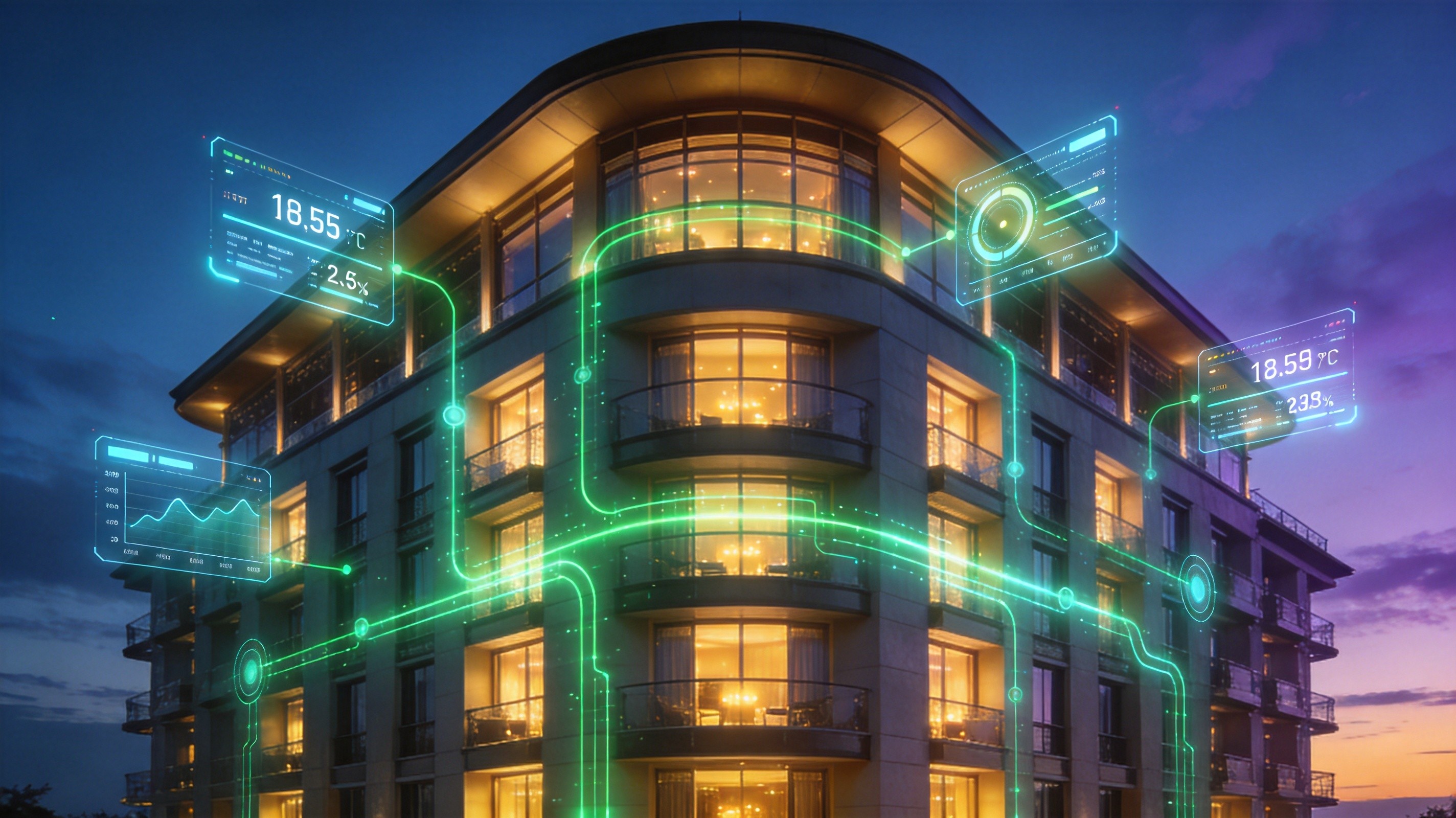
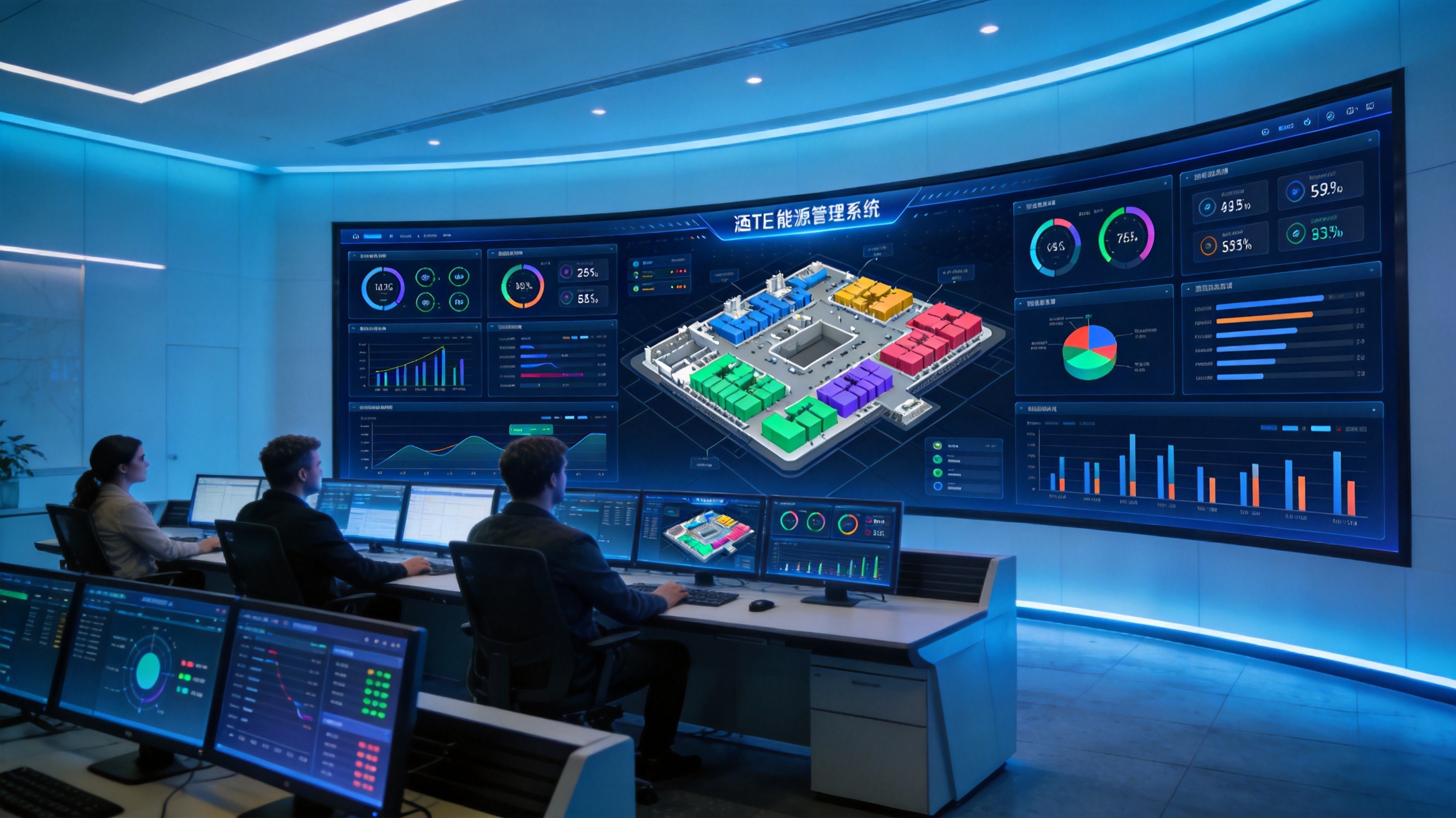
要解决问题,首先要看见问题。杰龙先创基于160万+间客房的智能化服务经验,梳理出酒店能耗的三大黑洞:
黑洞一:空调空转。 据实测数据,酒店客房空调约有30%-40%的运行时间处于无效状态——客人外出未关、退房后继续运转、夜间温度过低导致开窗散热。以一间标准客房为例,传统温控模式下年浪费电费约1,200-1,800元。
黑洞二:照明长明。 走廊、大堂、停车场等公区照明在凌晨0:00-6:00期间几乎无人使用,但传统定时开关无法根据实际人流动态调节,年浪费电费约3,000-8,000元(视酒店规模)。
黑洞三:热水循环空耗。 集中供热水系统为避免"冷水段"等待,通常24小时保持管网循环加热,非高峰时段的热量损失约占总热水能耗的18%-25%。
三项合计,一家200间客房的中高端酒店,年度无效能耗支出可达80万-140万元。这不是"节能"问题,而是"利润流失"问题。
面对如此庞大的黑洞,为什么绝大多数酒店仍然束手无策?答案在于传统能耗管理模式的三重结构性困境:
困境一:看不见。 多数酒店仅有总电表和部分楼层分项计量,无法精确到每间客房、每台设备的实时能耗。管理者看到的是一张月末电费单,而非实时能效地图。
困境二:管不住。 传统空调控制面板缺乏远程管控能力,客人离房后无法自动调温或关机;公区照明依赖人工巡检开关,响应滞后且无法适应实际使用场景变化。
困境三:算不清。 能耗数据与营收数据割裂,无法计算每间可售房能耗成本(CPOR,Cost Per Occupied Room)。投资方和管理层缺乏量化依据来判断节能改造的真实ROI。
这三重困境叠加,导致酒店能耗管理长期停留在"凭经验、靠人工、看总表"的粗放阶段。要打破这个循环,需要从底层架构进行智能化升级。
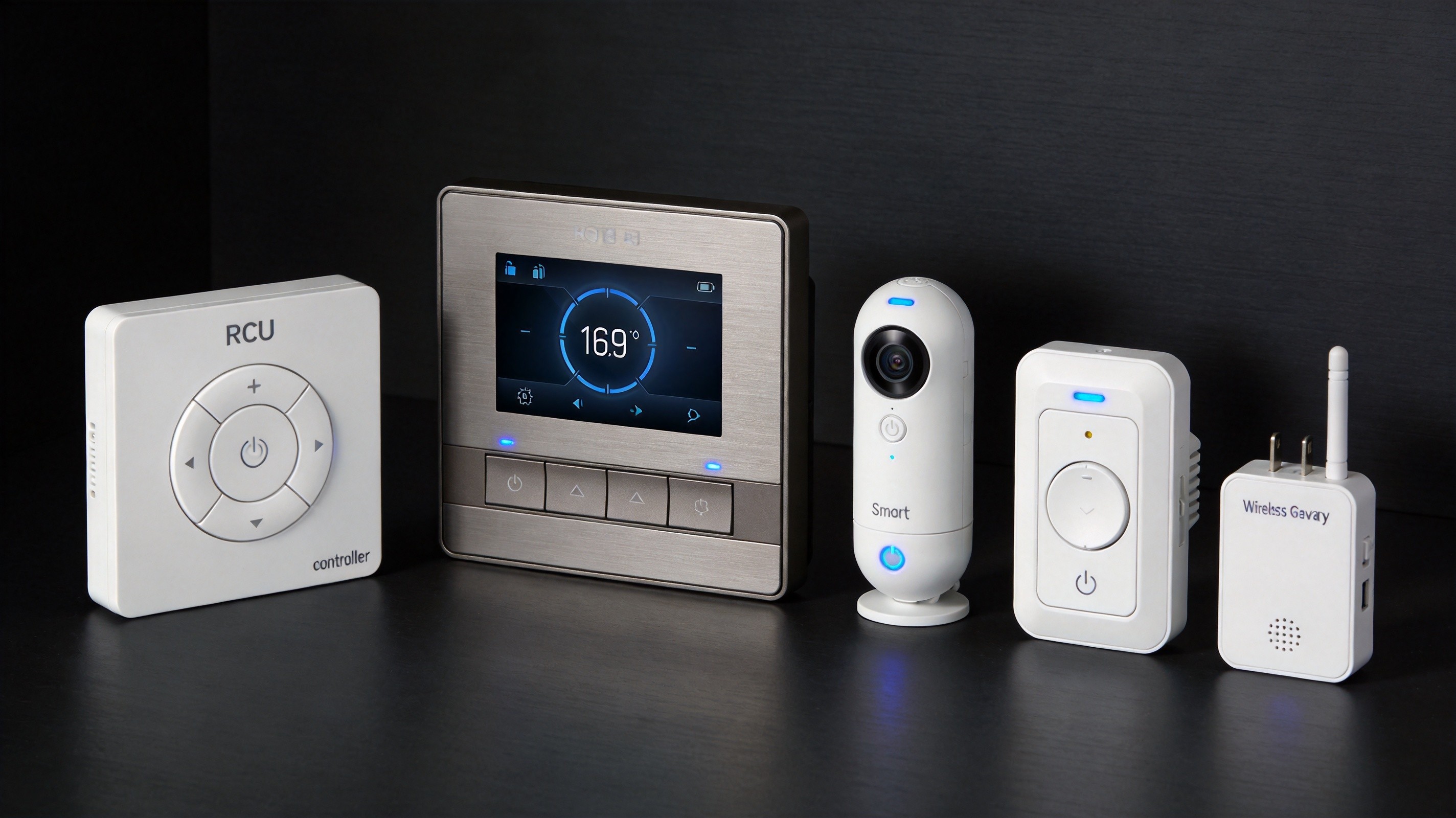
杰龙先创H-EDOS智联生态,正是为解决上述三重困境而设计的全栈自研智能控制系统。其核心逻辑是:先看见、再控制、后优化——让每一度电的消耗都可追踪、可调控、可优化。
第一层:全栈感知,让黑洞"现形"。 H-EDOS通过自研RCU(客房控制单元)+智能网关+多维传感器组合,实现每间客房、每台设备的实时能耗数据采集。空调运行状态、照明开关、门窗状态、入住检测全部纳管。数据实时上传至能耗看板,管理者可随时查看每间客房的能耗曲线。
第二层:AI智控,让浪费"自动停止"。 基于入住检测和场景算法,H-EDOS实现"人走自动调温""退房自动断电""公区按需照明"等智能策略。实测数据显示,空调综合节能约30%,照明节能约40%-70%(LED替换+智能调光),综合能耗下降15%-25%。
第三层:数据驱动,让ROI"算得清"。 H-EDOS能耗看板自动生成每间客房日/周/月能耗报告,与PMS系统打通后可计算CPOR指标。投资方第一次可以像看财务报表一样看"能耗报表",清楚知道每一分节能投入产出了多少回报。
以下对比基于200间客房中高端酒店的典型数据模型:
| 指标 | 传统管理 | H-EDOS智控 | 变化 |
|---|---|---|---|
| 年电费总额 | 约280万-350万元 | 约210万-260万元 | 下降约20%-25% |
| 空调能耗占比 | 约44% | 约30%-33% | 下降11-14个百分点 |
| 无效空转时间 | 约35%-40% | 低于5% | 下降30个百分点以上 |
| 能耗可视化 | 仅总表/月报 | 每房实时/自动报表 | 从粗放到精细 |
| 人工巡检成本 | 2-3人/班次 | AI自动巡检 | 年省8万-15万元 |
| 设备折旧成本 | 高(频繁启停) | 低(智能调速) | 延长设备寿命20%以上 |
| 投资回收期 | — | — | 约1.5-2.5年 |
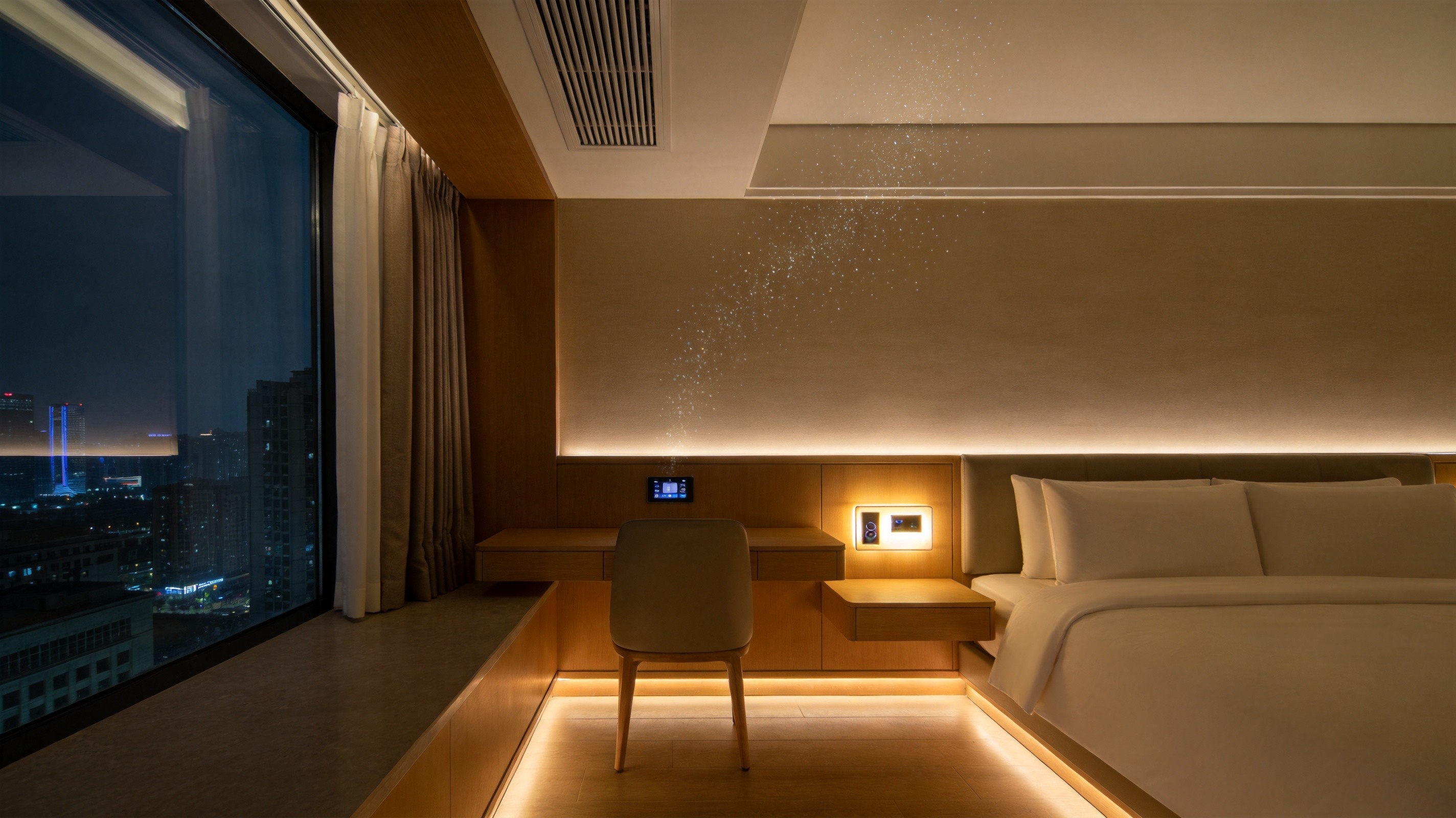
以杰龙先创服务的某国内中高端连锁酒店(200间客房)为样本,部署H-EDOS系统后的首年实测数据:
改造前年电费约320万元,部署H-EDOS后年电费约243万元,年度节能金额约77万元。H-EDOS系统投入(含设备+施工+调试)约120万-150万元,静态回收期约1.6-2.0年。
更关键的是,这77万元是"纯利润"——它直接增加GOP(Gross Operating Profit,营业毛利),不影响营收,不增加人力,不改变服务标准。对于GOP率通常在30%-40%的中高端酒店而言,这意味着节能带来的利润提升,相当于增加了约190万-260万元的营收贡献。
换言之,H-EDOS不是在"帮你省钱",而是在"帮你用更少的成本赚更多的利润"——这正是"成本中心变利润中心"的核心逻辑。
展望2026年,三个趋势将加速酒店能效管理的战略升级:
趋势一:政策压力持续加码。 国家发改委、住建部联合发布的《关于加快推动建筑领域节能降碳的指导意见》明确要求,到2027年大型公共建筑能耗下降10%以上。酒店作为24小时运营的高能耗建筑,将面临更严格的能耗考核和碳配额管理。
趋势二:投资人关注点转移。 从"看RevPAR"到"看GOP",酒店投资人的评估维度正在从营收效率转向利润效率。能效管理作为直接影响GOP的变量,正在成为投资决策的关键指标。
趋势三:AI技术成熟度拐点。 随着边缘计算和AI大模型在IoT场景的落地,酒店能耗管理正从"自动化"向"智能化"跃迁。H-EDOS已实现基于入住预测的自适应温控、基于入住率预测的公区能耗调度,下一步将接入HOTEL-GPT实现全栈能耗策略自优化。
对于酒店投资人、业主和管理方而言,能效管理不再是"锦上添花"的选项,而是"关乎竞争力"的必答题。率先完成智能化升级的酒店,将在成本结构、合规能力和品牌溢价三个维度建立领先优势。
关于杰龙先创H-EDOS智联生态的更多信息,欢迎联系:
官网:jeloxf.com | 咨询电话:400-6808-592 / 15986797639(微信同号) | 邮箱:yzy8427@jeloxf.com
#酒店智能化 #智慧酒店 #酒店节能 #HEDOS #智能客控 #RCU #杰龙先创
关于杰龙先创:深圳杰龙先创科技有限公司成立于2006年,深耕酒店智能化领域20余年,拥有120+项发明专利、300+项软件著作权(含2项PCT国际专利),累计服务超160万间客房,与万豪、洲际、锦江等国际酒店集团保持深度合作。H-EDOS智联生态是公司自主研发的全栈智能控制解决方案。
In 2026, as China's "dual carbon" strategy continues and hotel profit margins remain under pressure, a long-overlooked profit black hole is emerging — energy consumption.
According to the 2025 China Tourist Hotels Association report, average annual electricity costs per guest room in starred hotels range from RMB 4,800 to RMB 6,200. Air conditioning accounts for approximately 44%, lighting about 29%, and hot water roughly 15%. Under traditional management, the combined waste rate reaches 25%-35%.
A 200-room mid-to-upscale hotel could lose RMB 720,000-1,260,000 annually on energy waste alone, quietly eroding owner profits.
This article analyzes hotel energy black holes and demonstrates, based on JELON H-EDOS field data, how AI-powered controls transform energy cost centers into quantifiable profit centers.
Drawing on experience serving 1.6 million+ guest rooms, JELON has identified three major energy black holes:
Black Hole #1: Idle Air Conditioning. Field data shows 30%-40% of room AC running time is wasted — guests leave without turning it off, units keep running after check-out, and over-cooling at night causes windows to be opened. Annual waste per room: RMB 1,200-1,800.
Black Hole #2: Always-On Lighting. Corridors, lobbies and parking areas run lighting overnight with almost no occupants, and conventional timers cannot adapt to real foot traffic. Annual waste: RMB 3,000-8,000 per hotel.
Black Hole #3: Hot Water Circulation Loss. 24-hour pipe circulation to avoid "cold water waits" causes 18%-25% heat loss during off-peak hours.
Combined, a 200-room hotel incurs RMB 800,000-1,400,000 in annual wasted energy. This is not an energy-saving issue — it is a profit leakage problem.
Dilemma #1: Invisibility. Most hotels only have master meters and partial floor-level sub-metering, unable to track real-time per-room, per-device consumption. Managers see a monthly bill, not a live efficiency map.
Dilemma #2: Uncontrollability. Traditional AC panels lack remote management; temperatures cannot be adjusted or units shut off automatically after guests leave. Public-area lighting relies on manual inspection with slow response.
Dilemma #3: Immeasurability. Energy data is siloed from revenue data, making CPOR (Cost Per Occupied Room) impossible. Investors lack quantified evidence for retrofit ROI.
JELON H-EDOS is a full-stack, self-developed smart control ecosystem built around one logic: First See, Then Control, Then Optimize — making every kilowatt-hour trackable, controllable and optimizable.
Layer 1: Full-Stack Sensing. Self-developed RCUs (Room Control Units), smart gateways and multi-dimensional sensors collect real-time per-room energy data — AC status, lighting, doors, windows and occupancy — all streamed to a live energy dashboard.
Layer 2: AI-Powered Control. Occupancy-based scenario algorithms deliver automatic setback on departure, power-off after check-out, and on-demand public-area lighting. Field results: approximately 30% AC savings, 40%-70% lighting savings (LED plus smart dimming), and 15%-25% overall energy reduction.
Layer 3: Data-Driven ROI. The dashboard auto-generates daily/weekly/monthly per-room energy reports and integrates with PMS to calculate CPOR — investors can read an "energy statement" like a financial statement.
| Metric | Traditional | H-EDOS | Change |
|---|---|---|---|
| Annual electricity | ~RMB 2.8M-3.5M | ~RMB 2.1M-2.6M | -20% to -25% |
| AC energy share | ~44% | ~30%-33% | -11 to -14 pp |
| Idle running time | ~35%-40% | <5% | -30+ pp |
| Visibility | Master meter / monthly | Per-room real-time | Granular |
| Inspection cost | 2-3 staff/shift | AI auto-inspection | -RMB 80K-150K/yr |
| Equipment life | High wear (frequent start-stop) | Low wear (smart modulation) | +20% lifespan |
| Payback period | — | — | ~1.5-2.5 years |
For a mid-to-upscale chain hotel (200 rooms) served by JELON, first-year measured data after deploying H-EDOS: pre-retrofit annual electricity ~RMB 3.2M; post-H-EDOS ~RMB 2.43M; annual savings ~RMB 770,000. System investment (equipment, installation and commissioning) was ~RMB 1.2M-1.5M, giving a static payback of ~1.6-2.0 years.
Critically, this RMB 770,000 is pure profit — it directly increases GOP without affecting revenue, headcount or service standards. For a mid-to-upscale hotel with a typical 30%-40% GOP margin, that profit gain is equivalent to roughly RMB 1.9M-2.6M of incremental revenue contribution.
Three trends will accelerate the strategic upgrade of hotel energy management in 2026: tightening policy pressure (large public buildings in China are required to cut energy use by over 10% by 2027), investors shifting focus from RevPAR to GOP, and AI reaching maturity for IoT-based intelligent energy management. H-EDOS already provides occupancy-predictive adaptive temperature control and occupancy-rate-driven public-area energy scheduling, with HOTEL-GPT-powered self-optimizing strategies on the roadmap.
For hotel investors, owners and operators, energy efficiency is no longer an optional extra — it is a competitive necessity.
For more about the JELON H-EDOS Smart Ecosystem:
Website: jeloxf.com | Global Hotline: +86 400-6808-592 / +86 15986797639 | Email: yzy8427@jeloxf.com
#HEDOS #SmartHotel #HotelEnergy #GuestRoomControl #RCU #JELON #HotelIoT
About JELON: Shenzhen Jelong Xianchuang Technology Co., Ltd., founded in 2006, has focused on hotel intelligence for 20+ years, holding 120+ invention patents and 300+ software copyrights (including 2 PCT patents), serving 1.6 million+ guest rooms, with in-depth cooperation with Marriott, IHG and Jin Jiang.