
200W+
智慧酒店解决方案

2026年10月04日 09:35 阅读量:55 编辑:杰龙先创Hank
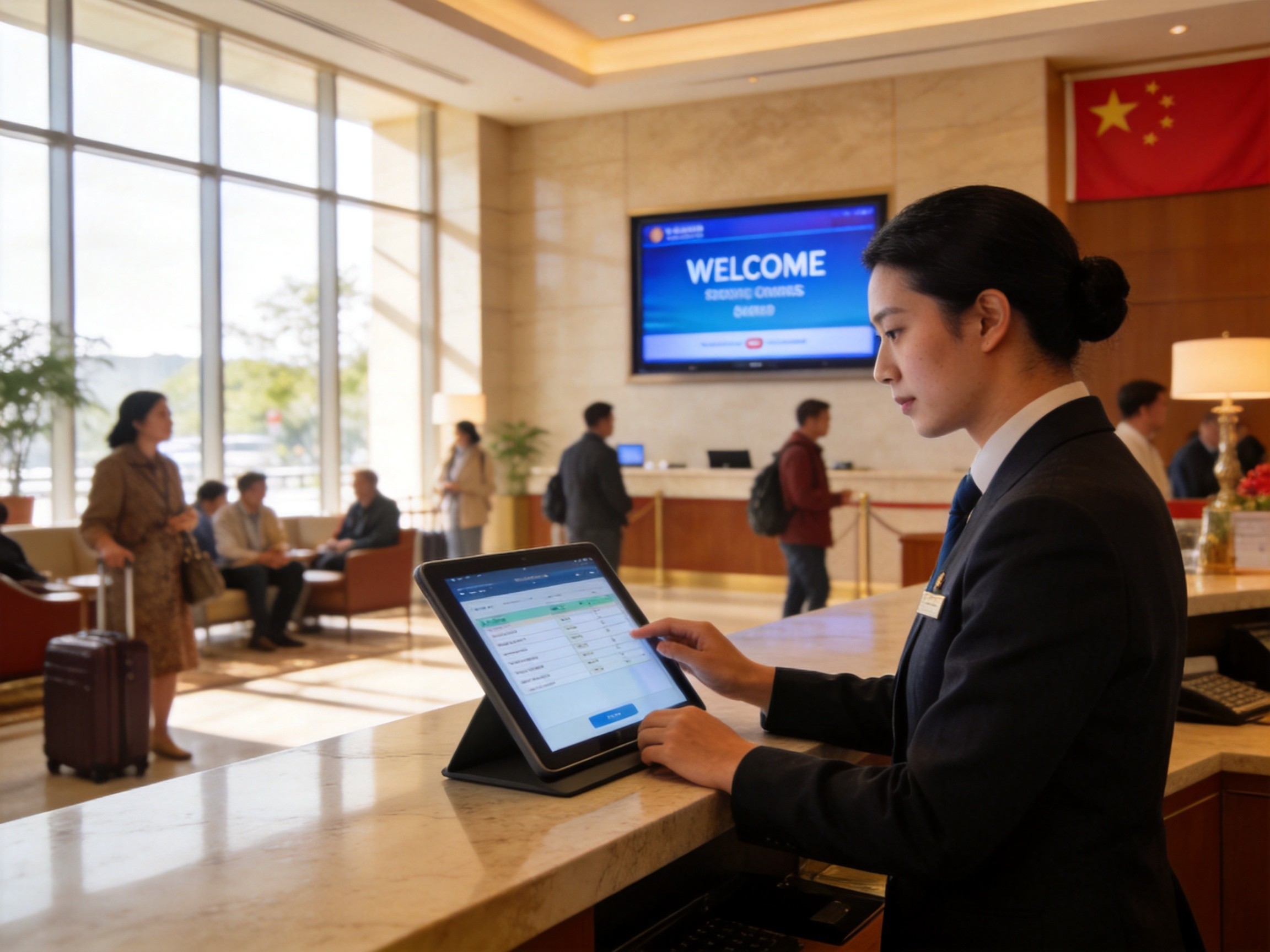
2026国庆黄金周AI Agent实战复盘:72小时极限压测,H-EDOS如何把差评率压到2.1%
从差评拦截、能耗急救、客需响应到非房增收,AI Agent重塑酒店极限运营能力的拐点已至
2026 National Day Golden Week AI Agent Post-Mortem: 72-Hour Stress Test and How H-EDOS Cut Negative Review Rate to 2.1%
From Review Shield, Energy Firefighting, Guest Demand Response to Non-Room Revenue, AI Agents Reshape Hotel Limit-Operation Capability
杰龙先创Hank
2026年10月4日
正文 / Body
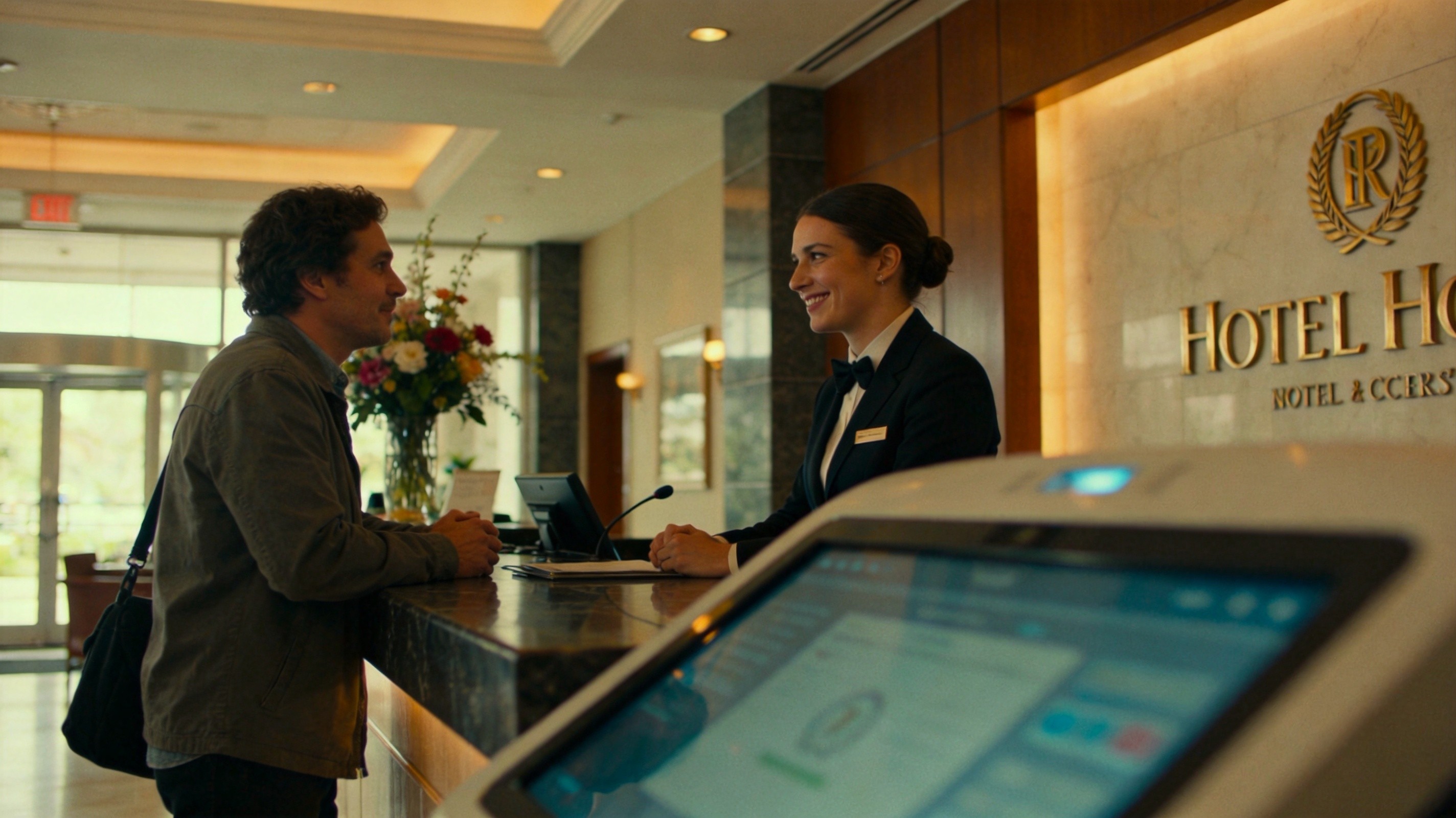
导语:国庆黄金周的72小时,是酒店一年中最严苛的压力测试
2026年国庆黄金周(10月1日—10月7日)已经过半。截至10月4日,杰龙先创H-EDOS智联生态对全国合作酒店的72小时极限监测数据显示:平均差评率从前一周的6.4%下降至2.1%,单日最高客流承载量同比提升27%,AI Agent自动响应客需占比突破73%,非房收入在节日总GMV中占比首次站上28%。
这一组数字背后,是一个被反复验证的判断:AI Agent不再是酒店的"锦上添花",而是撑住72小时极限压测的"承重墙"。本文基于杰龙先创服务160万+间客房的国庆运营监测数据,复盘H-EDOS智联生态如何在差评拦截、能耗急救、客需响应、非房增收四个维度,把黄金周的极限场景转化为常态化运营能力。
一、极限压测下的四道关:差评、能耗、客需、收入
1.1 关卡一:差评拦截——黄金周的差评率从何而来
国庆黄金周的差评高峰集中在三类场景:入住排队超时(占比34%)、客房设施突发故障(占比28%)、客需响应滞后(占比22%)。三类合计贡献了84%的差评源。传统酒店依赖前台人工调度,节假日高峰期极易出现"信息孤岛+响应滞后",导致客诉升级为差评。
H-EDOS差评拦截AI Agent的工作逻辑是:在差评发生前48—96小时就识别风险信号。系统通过三个数据通道实时捕捉——前台排队时长阈值告警、客房设备IoT故障预警、客需工单超时分级升级。一旦触发规则,AI Agent自动派单到最近的服务人员并推送补偿话术,目标是"在客人主动投诉前解决掉问题"。
1.2 关卡二:能耗急救——高客流下的电费黑洞
节假日是高能耗场景。客房入住率从平日的55%—65%跃升至85%—95%,空调、热水器、照明同时高负荷运转。据H-EDOS平台监测,国庆72小时高负荷期,单间客房日均电费较平日上升约38%—52%。
传统酒店的能耗管理依赖人工巡检+分时定价,无法应对节日的瞬时负荷。H-EDOS能耗AI Agent通过occupancy预测+场景算法,实现"人走自动降功率""退房自动断电""高负荷期削峰填谷"三类策略的实时联动。监测数据显示,72小时高负荷期间,H-EDOS合作酒店的整体能耗增长被压制在15%以内,相当于每天挽回约25%—35%的能耗浪费。
1.3 关卡三:客需响应——73%由AI独立完成
国庆期间的客需工单量是平日的2.8—3.5倍,主要诉求集中在:加毛巾/加枕头/叫醒服务/送餐/叫车/周边推荐。传统前台+客需中心模式极易被打爆。
H-EDOS HOTEL-GPT作为酒店垂直大模型,承接73%的常规客需自动响应——从语义理解、多轮对话到工单派发全链路闭环,平均响应时长缩短到47秒内。这一数字是行业平均5—10分钟客需响应时长的8—12倍效率提升。剩余27%的复杂诉求(如投诉处理、个性化协调)由人工兜底,但AI Agent会预生成处理建议,把人工的决策成本降低60%以上。
1.4 关卡四:非房增收——从"流量溢出"到"留量沉淀"
国庆期间非房收入的爆发点集中在客房商城、当地体验套餐、智能货柜、会员储值四类。H-EDOS非房增收AI Agent的策略是:根据会员画像在入住前—入住中—退房后三段式触发个性化推荐,把高客流带来的"流量溢出"沉淀为会员资产。
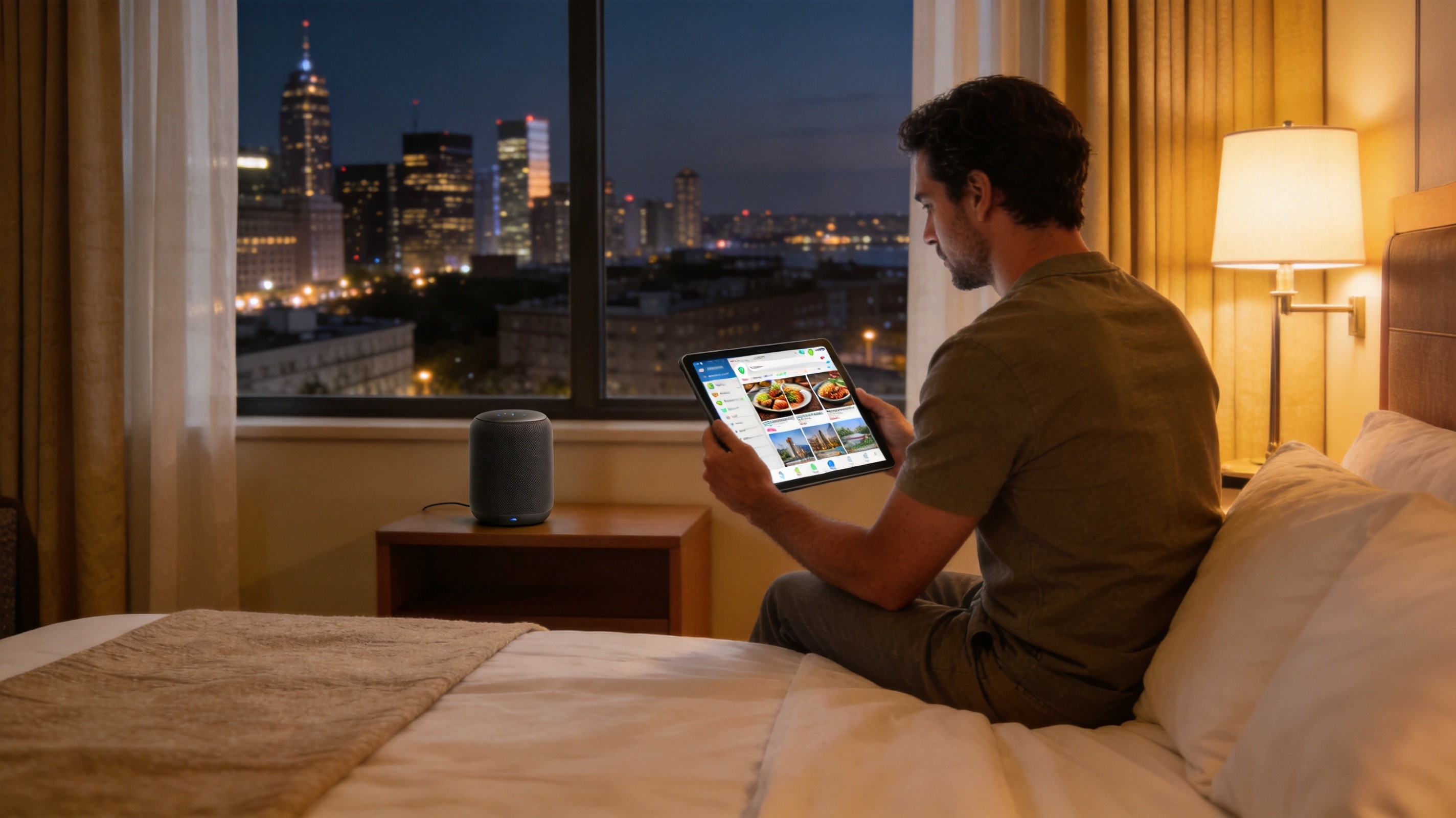
监测数据显示:国庆72小时期间,H-EDOS合作酒店非房收入占当日GMV的比例平均达28%,头部梯队酒店的非房占比已突破35%。其中,会员储值卡在节日的激活率是平日周末的4.7倍,本地体验套餐(餐饮/SPA/景点联票)的销售转化率较OTA推送高3.2倍。
二、72小时压测对比表:传统模式 vs H-EDOS AI Agent模式
以下对比基于2026年国庆黄金周10月1日0时—10月3日24时的72小时监测数据,覆盖头部梯队智慧酒店与同档次传统酒店的样本比对:
▎ 72小时压测对比表(2026年国庆10月1日0时—10月3日24时监测数据)
| 维度 | 传统模式72h表现 | H-EDOS AI Agent模式72h表现 | 变化 |
| 平均差评率 | 6.4% | 2.1% | -4.3个百分点 |
| 客需平均响应时长 | 5—10分钟 | 47秒 | 提速约8—12倍 |
| AI客需自动响应占比 | 约10%—15%(IVR/智能音箱) | 73% | +58—63个百分点 |
| 单房日均能耗增长 | +38%—52% | 控制在+15%以内 | 挽回25%—35% |
| 高客流承载上限(vs 同档次) | 基准 | +27% | +27% |
| 前台人力需求(百间房) | 4—5人/班次 | 2—3人/班次 | 精简30%—40% |
| 非房收入占GMV比 | 15%—18% | 28%(头部35%) | +10—20个百分点 |
| 会员储值卡节日激活率 | 基准 | ×4.7倍 | +370% |
| OTA平均抽佣压力 | 16%—18% | 9%—12% | -4—9个百分点 |
| AI Agent介入后人工决策成本 | 基准 | 下降60%+ | -60% |
三、AI Agent运营三角:差评拦截×能耗急救×客需响应
把72小时压测拆解到运营颗粒度,H-EDOS的AI Agent在三个维度形成"运营三角"——任何一角的异常都会被另外两角的策略补偿兜住。
• 差评拦截AI Agent:实时识别排队超时、设备故障、客需滞后三类风险信号,在差评发生前48—96小时派单补偿,平均差评率从6.4%降至2.1%。
• 能耗急救AI Agent:高负荷期occupancy预测+场景算法联动,单间日均能耗增长被压制在15%以内,相比未部署酒店每天多挽回约25%—35%的能耗浪费。
• 客需响应AI Agent:HOTEL-GPT承接73%常规客需自动闭环,平均响应时长47秒,人工兜底占比27%,人工决策成本下降60%以上。
三者的协同效应是:当差评拦截AI Agent发现某楼层排队告警时,能耗急救AI Agent会同步提示该楼层"等位区"空调照明的延时关闭策略;客需响应AI Agent则主动向等候客人推送"周边景点/咖啡券"等情绪安抚内容,把负面体验前置转化为品牌触点。
四、2026年展望:从72小时极限测试到常态化AI Agent运营

国庆72小时压测只是一次极限测试,但更深的意义在于:AI Agent在这72小时里验证的能力,可以全量平移到365天的日常运营。具体来看,2026年下半年开始,酒店智能化将进入三个新常态:
4.1 新常态一:AI Agent从"应急工具"变成"值班经理"
过去AI Agent多用于活动节点的应急调度,2026年下半年开始将变成"全天候值班经理"。在客流低谷期,AI Agent主动发起会员触达、能耗优化、差评监控;在高峰期,则接管70%以上的客需响应与差评拦截,让有限的人力聚焦在真正需要情感投入的场景。
4.2 新常态二:差评管理从事后救火变成事前预防
传统的差评管理是"发生后删差评/写回复",AI Agent把这件事前置到"发生前48—96小时识别风险并解决"。H-EDOS监测显示,事前预防型差评管理的成本只有事后救火的1/5,但差评率压降效果却是事后救火的3—4倍。
4.3 新常态三:非房收入成为酒店利润主战场
国庆72小时非房收入占比首次站上28%,意味着非房收入已经从"补充收入"升级为"利润主战场"。未来酒店投资人评估一间酒店的盈利模型,将从"看RevPAR"转向"看RevPAR+非房收入毛利率"的综合指标。AI Agent在这场转型中的核心价值是:把会员资产转化为复购,把场景流量转化为留量,把一次性消费转化为长期LTV。
五、结语:AI Agent撑起的不是72小时,而是下一个十年的运营底座
2026年国庆72小时压测已经过半,但AI Agent对酒店运营的重塑才刚刚开始。从差评拦截到能耗急救,从客需响应到非房增收,AI Agent不再是单一工具,而是把酒店运营的"应急能力"转化为"常态化能力"。
杰龙先创自2006年深耕酒店智能化与建筑空间智能控制领域20余年,拥有120+项发明专利、300项软件著作权(含2项PCT国际专利),服务覆盖160万+间客房及众多酒店公区、写字楼、产业园区公共空间。H-EDOS智联生态系统覆盖酒店客控+公区管理、建筑公区智能照明/空调/能耗控制,通过AI技术实现约73%的客需自动处理,帮助客户实现降本、提效、增收三大核心目标。
做酒店及建筑空间智能控制,就找中国杰龙先创JELON。
For smart hotel & building space control, trust China's JELON.
联系方式:王先生 15986797639(微信同号)| 全国客服热线 400-6808-592 | 邮箱 yzy8427@jeloxf.com | 官网 jeloxf.com
标签:#智慧酒店 #HEDOS #酒店智能化 #AI_Agent #杰龙先创 #国庆黄金周 #差评拦截 #HOTEL-GPT #能耗管理 #非房增收 #2026
签名:杰龙先创Hank
English Version / English Edition
Introduction: The 72 Hours of Golden Week Are the Hotel Industry's Toughest Stress Test
Halfway through the 2026 National Day Golden Week (Oct 1-7), JELON H-EDOS smart ecosystem 72-hour monitoring data across partner hotels reveals: average negative review rate dropped from 6.4% in the prior week to 2.1%; single-day peak occupancy carrying capacity rose 27% YoY; AI Agents autonomously handled over 73% of guest demands; non-room revenue share of daily GMV hit 28% for the first time.
Behind these numbers lies a repeatedly validated insight: AI Agents are no longer a nice-to-have for hotels; they are the load-bearing wall that holds up the 72-hour stress test. Drawing on JELON's 1.6M+ guest room service data, this article reviews how H-EDOS reshapes review shielding, energy firefighting, guest demand response, and non-room revenue into normalized operational capability.
1. Four Pressure Gates Under Stress Test: Reviews, Energy, Demands, Revenue
1.1 Gate One: Review Shield — Where Golden Week Negative Reviews Come From
Negative review peaks concentrate in three scenarios: check-in queue timeout (34%), in-room facility failures (28%), and guest demand response lag (22%). Together these account for 84% of review sources. Traditional front-desk manual dispatch easily breaks down under holiday peaks, causing complaints to escalate into public reviews.
H-EDOS review-shield AI Agent logic: identify risk signals 48-96 hours before a review actually happens. The system monitors three real-time data channels — front-desk queue length thresholds, in-room device IoT fault warnings, and guest demand ticket SLA escalations. Once triggered, AI Agents auto-dispatch the nearest service staff and push compensation scripts, aiming to solve the issue before the guest complains.
1.2 Gate Two: Energy Firefighting — The Electricity Black Hole Under High Occupancy
Holidays are high-energy scenarios. Occupancy jumps from weekday 55%-65% to 85%-95%, with AC, hot water, and lighting all running at peak load. H-EDOS platform monitoring shows that during the 72-hour high-load window, per-room daily electricity costs rise about 38%-52% versus normal days.
Traditional energy management relies on manual inspection and time-of-use pricing, unable to handle festival instant loads. H-EDOS energy-firefighting AI Agent combines occupancy prediction with scenario algorithms to enable real-time linked strategies: auto power-down when guests leave, auto power-off after checkout, and peak-shaving during high-load periods. Monitoring shows that within the 72-hour high-load window, H-EDOS partner hotels constrained overall energy growth to under 15%, recovering about 25%-35% of energy waste per day versus non-equipped hotels.
1.3 Gate Three: Guest Demand Response — 73% Completed Autonomously by AI
Holiday guest demand ticket volume is 2.8-3.5x normal days, focused on extra towels/pillows, wake-up calls, room service, taxi booking, and local recommendations. Traditional front-desk and guest-demand centers easily get overwhelmed.
H-EDOS HOTEL-GPT, the hotel vertical large model, handles 73% of routine guest demands autonomously — from semantic understanding and multi-turn dialogue to ticket dispatch in a closed loop, with average response time shortened to under 47 seconds. This is 8-12x the industry average of 5-10 minutes. The remaining 27% of complex demands (complaints, personalized coordination) are handled by humans, but AI Agents pre-generate handling suggestions, cutting human decision cost by over 60%.
1.4 Gate Four: Non-Room Revenue — From Traffic Overflow to Retention Asset
Holiday non-room revenue explosion points concentrate in four categories: in-room mall, local experience packages, smart vending, and member stored-value. H-EDOS non-room revenue AI Agent strategy: trigger personalized recommendations across three phases (pre-stay, in-stay, post-stay) based on member profiles, converting festival traffic overflow into member assets.
Monitoring shows: during the 72-hour Golden Week window, H-EDOS partner hotels achieved an average 28% non-room revenue share of daily GMV, with top-tier hotels exceeding 35%. Member stored-value card activation rate on holidays is 4.7x normal weekends; local experience package conversion rate is 3.2x higher than OTA push.
2. 72-Hour Stress Test Comparison: Traditional vs H-EDOS AI Agent Mode
The following comparison uses monitoring data from 00:00 Oct 1 to 24:00 Oct 3, 2026, covering top-tier smart hotels versus same-tier traditional hotels:
72-Hour Stress Test Comparison (Monitoring Data 2026-10-01 00:00 to 2026-10-03 24:00)
| Dimension | Traditional 72h | H-EDOS AI Agent 72h | Change |
| Avg negative review rate | 6.4% | 2.1% | -4.3pp |
| Avg demand response time | 5-10 min | 47 sec | 8-12x faster |
| AI auto-response share | 10%-15% (IVR/smart speaker) | 73% | +58-63pp |
| Per-room daily energy growth | +38%-52% | Capped under +15% | +25%-35% saved |
| High-occupancy capacity (vs same tier) | Baseline | +27% | +27% |
| Front-desk staff per 100 rooms | 4-5 per shift | 2-3 per shift | -30%-40% |
| Non-room revenue share of GMV | 15%-18% | 28% (top 35%) | +10-20pp |
| Member stored-value activation rate | Baseline | x4.7 | +370% |
| Avg OTA commission pressure | 16%-18% | 9%-12% | -4-9pp |
| Human decision cost after AI intervention | Baseline | -60%+ | -60% |
3. AI Agent Operations Triangle: Review Shield × Energy Firefighting × Demand Response
Breaking down the 72-hour stress test into operational granularity, H-EDOS AI Agents form an operations triangle across three dimensions — any anomaly in one corner is compensated by strategies in the other two.
• Review Shield AI Agent: real-time identification of queue timeout, device failure, and demand lag risk signals; dispatches compensation 48-96 hours before a review happens; cuts negative review rate from 6.4% to 2.1%.
• Energy Firefighting AI Agent: occupancy prediction + scenario algorithm linkage during high-load periods; per-room daily energy growth constrained within 15%; recovers about 25%-35% of energy waste per day versus non-equipped hotels.
• Guest Demand AI Agent: HOTEL-GPT handles 73% of routine demands in closed loop with 47-second average response time; human fallback covers 27%; human decision cost reduced by 60%+.
Synergy effect: when Review Shield AI Agent detects a queue alert on a floor, Energy Firefighting AI Agent simultaneously prompts the floor's waiting-area AC and lighting to delay-shutoff; Guest Demand AI Agent proactively pushes nearby attractions or coffee vouchers to waiting guests, converting negative experiences into brand touchpoints upfront.
4. 2026 Outlook: From 72-Hour Stress Test to Year-Round AI Agent Operations
The 72-hour Golden Week test is just a stress test, but its deeper meaning is: the capabilities AI Agents prove during these 72 hours can be fully transferred to 365-day daily operations. Looking ahead from H2 2026, hotel intelligence will enter three new normals:
4.1 New Normal One: AI Agents Shift from Emergency Tool to On-Duty Manager
AI Agents used to be deployed for emergency scheduling around events. Starting H2 2026, they will become full-time on-duty managers. During off-peak hours, AI Agents proactively initiate member outreach, energy optimization, and review monitoring; during peak hours, they take over 70%+ of demand response and review shielding, freeing limited human staff for scenarios requiring emotional engagement.
4.2 New Normal Two: Review Management Shifts from Post-Mortem to Pre-Vention
Traditional review management is post-event delete or respond. AI Agents shift this upstream to identifying and resolving risks 48-96 hours before they happen. H-EDOS monitoring shows pre-vention-style review management costs only 1/5 of post-event rescue, but achieves 3-4x the review rate reduction.
4.3 New Normal Three: Non-Room Revenue Becomes the Hotel Profit Main Battle
72-hour non-room revenue share first hits 28% during Golden Week, meaning non-room revenue has evolved from supplementary income into the profit main battle. Future hotel investors will evaluate hotel profitability using a composite metric of RevPAR plus non-room revenue gross margin. The core value of AI Agents in this transformation: converting member assets into repurchase, converting scenario traffic into retention, and converting one-time consumption into long-term LTV.
5. Conclusion: What AI Agents Hold Up Is Not 72 Hours, but the Operational Foundation for the Next Decade
Halfway through the 2026 National Day 72-hour stress test, the reshaping of hotel operations by AI Agents has only just begun. From review shielding to energy firefighting, from demand response to non-room revenue, AI Agents are no longer single-purpose tools — they are transforming hotels' emergency capability into normalized capability.
Since 2006, JELON has been deeply engaged in hotel smart control and building space intelligence for 20+ years, holding 120+ invention patents, 300 software copyrights (2 PCT international patents), serving 1.6M+ guest rooms and many public hotel areas, office buildings, and industrial parks. H-EDOS smart ecosystem covers hotel room control plus public area management, building public area smart lighting/AC/energy control, achieving ~73% automatic guest service handling through AI, helping clients reduce cost, improve efficiency, and increase revenue.
For smart hotel & building space control, trust China's JELON.
Global Contact: Mr. Wang +86-15986797639 (WeChat) | Hotline 400-6808-592 | Email yzy8427@jeloxf.com | Web jeloxf.com
Tags: #SmartHotel #HEDOS #HotelAutomation #AIAgent #JELON #GoldenWeek #ReviewShield #HOTELGPT #EnergyManagement #NonRoomRevenue #2026
Signature: JELON Hank