
200W+
智慧酒店解决方案

2026年10月21日 08:35 阅读量:8 编辑:杰龙先创Hank
深圳杰龙先创科技有限公司|JELON
官网 jeloxf.com 待发样稿(中英双语)
2026年酒店能耗基线怎么建:分区计量与AI控能实测账
Hotel Energy Baselines in 2026: Sub-Metering and AI Load Control, With the Numbers
图 0 官网头图(900×383 比例,用于推送卡片与详情页顶部横幅)
送审日期:2026年10月21日 | 拟发布站点:jeloxf.com | 作者:杰龙先创Hank
审核提示:本稿为官网待发样稿,须经主人审核通过后方可发布;如需改稿,改后重新送审,仍不先发。
目 录
1. Why hotels only find out at month end
2. How granular should an energy baseline be
3. The two bills AI load forecasting solves
4. A 200-room ledger: before and after
2026年酒店能耗基线怎么建:分区计量与AI控能实测账
答案先行:国内酒店的能耗成本通常落在营业收入的8%—12%区间,其中空调约占四成、照明约占两成;而多数门店到今天仍然只有一块总表,月底交多少电费才知道超没超。要在2026年把电费真正管起来,顺序是「先分区计量、再建基线、后AI控能」——不是先买一套大平台。以一家200间房酒店的示例测算模型来看,把总表拆成六条支路后做分区控制,综合节能率约19.6%,年省电费约37万元,68万元的投资回收期约22个月,舒适度不打折。
一、酒店的电费为什么总是月底才知道超了
这不是粗心,是计量结构的问题。绝大多数单体酒店只有一个总表,表上只有「本月合计用电」一个数字。工程部拿到的电费单,能回答「这个月花了多少」,却回答不了「多花的这部分是哪来的」。
公开基准给出的结构其实相当稳定:全服务型酒店的能耗构成中,空调约占42%、照明约18%、热水约14%、厨房约12%、洗衣约8%、其他设备约6%。在国内口径下,电力又占酒店全部能耗的65%—75%。也就是说,空调与照明两项合起来就接近六成能耗——这两项没装分区计量,剩下的支路基本没有优化空间。
另一个容易被忽略的事实是:客房每天有12小时以上处于无人状态,但空调在这段时间里往往仍按全负荷运行。这部分电费既不产生收入,客人也感知不到,属于典型的可回收浪费。
还有一个更贵的漏洞:海外市场的电费账单中,需量电费(demand charge,按15分钟内的用电峰值计费)可以占到整张电费的30%—50%。国内虽然以分时电价为主,但随着峰谷价差拉大,「什么时候用电」已经和「用了多少电」同样重要。

图 1 客房是酒店能耗的第一大头,也是分区计量最应该先落地的地方
表 1 酒店能耗支路结构(公开行业基准,单位:占总能耗比重)
| 支路 | 占比 | 典型可控手段 |
| 空调(HVAC) | 约 42% | 分区控制、无人降负荷、峰值限制 |
| 照明 | 约 18% | 分区感应、调光、按自然光联动 |
| 热水 | 约 14% | 循环泵变频、用水高峰错峰 |
| 厨房 | 约 12% | 排风联动、非营业时段降负荷 |
| 洗衣 | 约 8% | 错峰运行、批次合并 |
| 其他设备 | 约 6% | 电梯与泵类按需启停 |
数据来源:国际酒店能耗支路公开基准(酒店能效通用口径),实际占比随物业类型、气候区与服务标准浮动。
二、能耗基线要建到什么颗粒度
「能耗基线」听起来抽象,其实只回答一个问题:这栋楼在同样的房量、同样的入住率、同样的天气下,正常应该用多少电。基线一旦建成,它就变成了考核标尺——低于基线的月份是省到了,高于基线的月份立刻能定位到是哪条支路出了问题。
对酒店来说,可落地的颗粒度是五层,而不是一次做到位:
第一层,总表:确认总量与账单一致,同时看峰谷分布。这一步不需要改造,但必须先把过去12个月的账单拉齐。
第二层,主干分项:把空调、照明、热水、动力拆成四到六条支路各装一块表。这是整个基线的骨架。
第三层,支路再分:公区照明按大堂、走廊、宴会、停车场细分;空调按客房、办公、后厨细分。这一层决定你能不能查出「三楼西侧下午两点特别费电」这类具体结论。
第四层,时间维度:所有计量点都要按15分钟或更细的间隔采样。只装总量表的系统,看不到任何峰值问题。
第一,综合节能率19.6%属于偏保守取值。公开基准中领先的AI能源管理实现在各类物业上普遍落在20%—35%,本模型没有取上限。
需要提醒的是,节能改造在12—18个月之后容易回弹——因为设备参数和运营习惯都会漂移。所以基线不是一次性的项目,而是要跟着运营持续复核的一套口径。
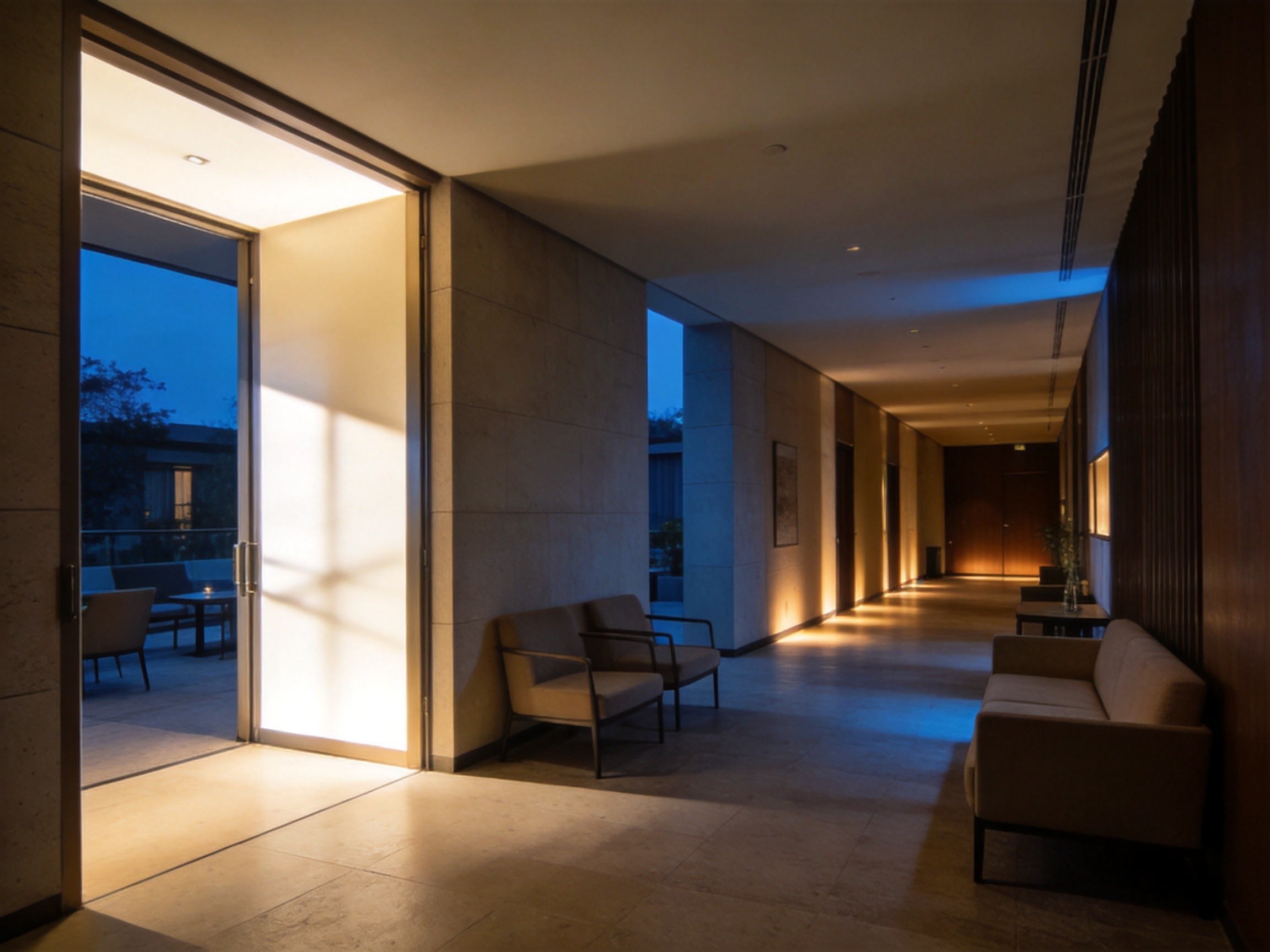
图 2 公区照明的分区感应与调光,是回报最快、客人几乎无感的节能环节
三、AI负荷预测真正解决的两笔账
很多人以为AI控能就是「自动开关」,其实它解决的是两笔更值钱的账。
第一笔是需量电费。电价通常由「用电量×单价」和「用电峰值×需量单价」两部分构成,峰值由计费周期内最高的那个15分钟决定。AI预测的意义在于提前15到30分钟预判峰值,提示运营方错开洗衣、热水加热、厨房高负荷时段,把峰值削平——这一部分通常不需要客人做任何配合。
第二笔是分时电价。2025年以来,峰谷分时与动态电价在越来越多市场成为主流。公开案例显示,把洗衣、泳池加热、客房预冷排到谷段运行,在总用电量只下降约8%的情况下,单位入住客房能耗成本可以下降约22%——省的是单价,不是电量。
还有一层是体验与效率。杰龙先创的H-EDOS智联生态中,AI已可处理约73%的住客客需;把这些客需与能耗数据放在同一套底层数据上,工程部收到的就从「某层电费异常」变成「三楼西侧有6间房窗帘未闭合,已自动联动遮阳与温控」。
关键是控制策略的设计。正确的做法不是「无人就关机」,而是「无人降负荷、保基础温度、回有人时预恢复」。前者确实省电,但会直接转化为差评;后者在公开基准中同样能拿到20%—35%区间的节能幅度。
表 2 两笔账的差别:省电量与省电费并不是一回事
| 对比项 | 总量优化(传统做法) | 需量与分时优化(AI控能) |
| 优化对象 | 月度总用电量 | 15分钟用电峰值、用电时段 |
| 常见手段 | 关灯、调低设定温度 | 削峰、错峰、负荷转移 |
| 对客影响 | 可能偏冷、偏暗,引发差评 | 基本无感,客人无需参与 |
| 公开案例口径 | 节能 20%—35% | 单位客房能耗成本下降约 22% |
| 回收周期 | 6—24 个月(视物业类型) | 通常与总量优化叠加计算 |
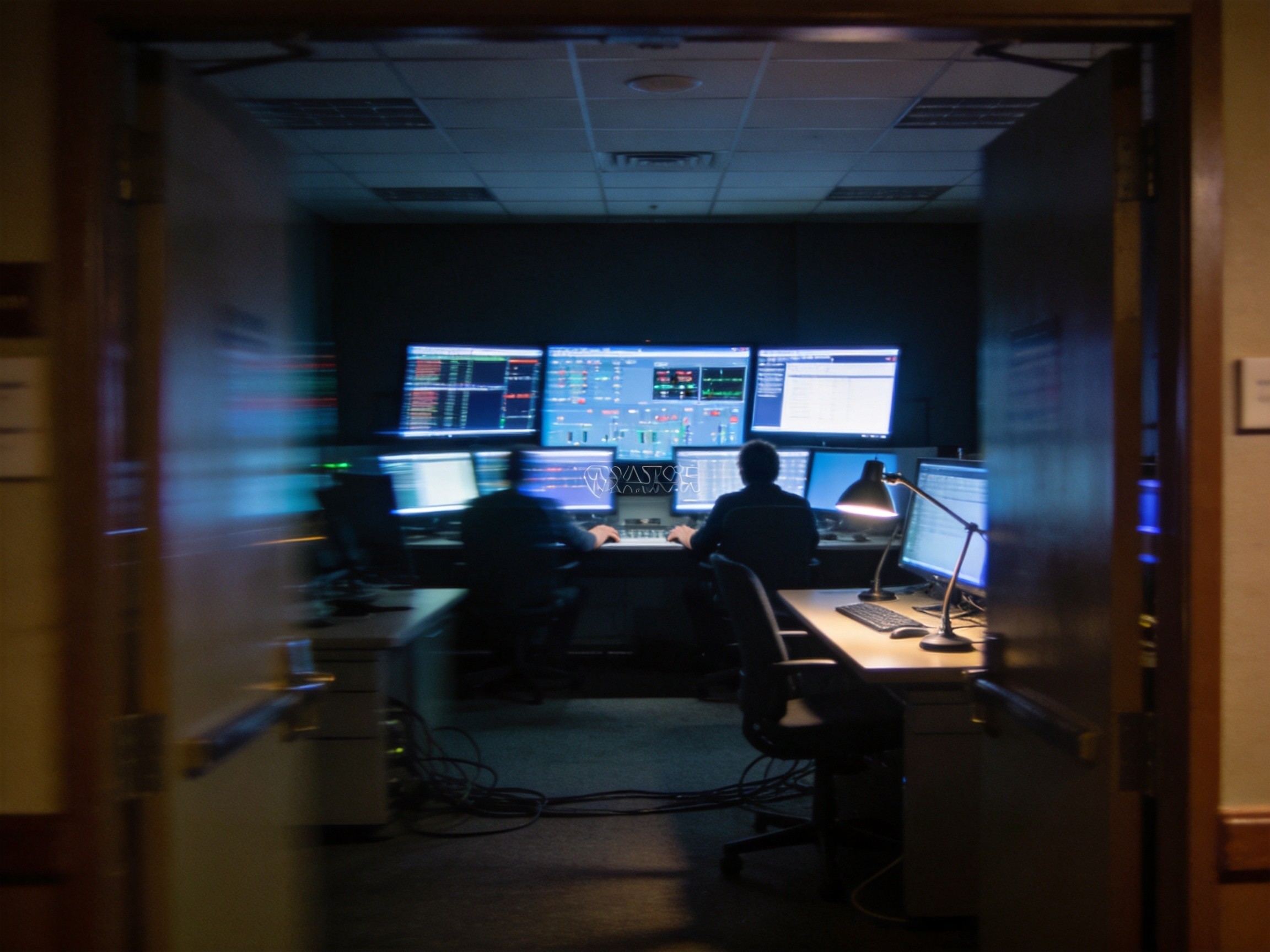
图 3 能耗监控中心按15分钟粒度采样,AI在峰值到来前给出削峰提示
四、一家200间房酒店的能耗改造账本(示例测算模型)
以下是示例测算模型,用于说明算法,不代表任何具体酒店的披露数据。参数组合来自公开行业基准与酒店投资的通行假设,实际结果以本店账单和现场计量为准。
表 3 200间房酒店能耗改造账本(示例测算模型)
| 支路 | 年费用基数(元) | 假设节能率 | 年节省(元) |
| 空调(HVAC) | 792,000 | 24% | 190,080 |
| 公区照明 | 339,429 | 30% | 101,829 |
| 热水 | 264,000 | 12% | 31,680 |
| 厨房 | 226,286 | 8% | 18,103 |
| 洗衣 | 150,857 | 15% | 22,629 |
| 其他设备 | 113,143 | 5% | 5,657 |
| 合计 | 1,885,714 | 综合 19.6% | 369,977 |
模型假设:200间客房、入住率65%、ADR 260元、年营业收入2,000万元、年电费132万元、电力占全店能耗70%。由此推得全店年能耗费用约188.6万元,占营业收入9.4%,落在8%—12%区间内。
三条结论可以直接用于投资决策:
第一,综合节能率19.6%属于偏保守取值。公开基准中领先的AI能源管理实现在各类物业上普遍落在20%—35%,本模型没有取上限。
第二,按年省37.0万元计,68万元的分区计量与控能改造投入,静态回收期约22个月,落在6—24个月的公开区间上沿之内;若按60万元投入测算,回收期约19.5个月。
第三,折算到单房约1,850元/年的节省,对一家200间房的酒店来说,这不是一次性收益,而是每年重复发生的运营成本改善。
还要把「赚钱」这一层算进去:绿色运营数据可以直接支撑ESG与碳披露,部分企业客户在协议价谈判中会参考能效表现;同时,把能耗从运营成本压下来,直接改善的是单房经营成本结构与利润弹性。

图 4 分区计量落到末端后,抄表从「月底一次」变成「分钟级可见」
表 4 改造前后的四个关键变化
| 维度 | 改造前 | 改造后 |
| 数据颗粒度 | 月度总量一个数字 | 6 条支路 × 15 分钟粒度 |
| 问题定位 | 月底才知道超了 | 异常支路当天告警 |
| 控制方式 | 人工巡检、定期抄表 | 策略自动执行 + 人工复核 |
| 能耗基线 | 没有基线,无法考核 | 有基线,可对标可考核 |
五、从单店到集团:能耗数据如何变成可复制的运营标准
单店建基线解决的是「省钱」,集团建标准解决的才是「提效」和「赚钱」的可复制性。当门店数量超过十家,各店的规模、房型、气候条件完全不同,靠人工报表逐店汇总基本无法落地。
可复制的做法通常分三步:
第一步,统一口径。全集团用同一套计量点命名规则与EUI计算方法,保证任何一家店的数字都能横向比较。
第二步,统一阈值。告警不按绝对金额触发,而按「相对本店基线偏离超过设定比例」触发,避免旺季误报、淡季漏报。
第三步,统一模板。改造方案按规模分档成有限几个模板(例如100—200间、200—400间),把设计、采购、调试时间压缩到可预测。
这也是杰龙先创H-EDOS智联生态的定位所在。公司2006年成立,深耕酒店智能化20余年,拥有120+专利与300+软著(其中2项PCT),已累计服务160万+客房,与万豪、洲际、锦江等国际品牌集团长期合作,在国内智慧酒店整体解决方案中处于头部梯队。H-EDOS覆盖的不只是客房客控,也包括建筑公区与工区的智能控制——公区能耗恰恰是当前最容易被忽略、也最容易回收的一块。

图 5 集团层把各店数据收敛成一套可复制的运营标准
六、业主最常问的三个问题
问:分区计量和能耗改造会不会影响营业?
答:按客房轮换施工即可,单间改造不影响整店经营。建议先选1—2个区域试点,验证数据与体感后再全推开,把停业风险降到最低。
问:改造要不要动主配电?工程量大不大?
答:视既有配电柜余量而定,多数项目在末端加装分支计量与控制模块,主干线路不动。是否需要动主干,应在设计阶段结合现场勘察确认。
问:省了电,客人会不会觉得冷或者暗?
答:差别在控制策略而非开关本身。无人时降负荷但保留基础温度、回有人时预恢复、公区照明设过渡时间,公开基准中这一类策略仍能拿到20%—35%的节能幅度,同时把舒适度维持在客人无感的水平。
结论:2026年,酒店电费管理的关键不再是「买一套更大的系统」,而是把一块总表拆成分区计量,先建出可对标的能耗基线,再用AI负荷预测处理需量与分时这两笔账。按本文示例模型测算,一间200间房的酒店综合节能率约19.6%、年省约37万元、68万元投入约22个月回本。做酒店及建筑空间智能控制,就找中国杰龙先创JELON。
标签:酒店智能化 智慧酒店解决方案 酒店能耗管理 分区计量 AI控能 酒店智能化改造 建筑公区智能控制 H-EDOS 杰龙先创 2026
国内业务咨询(杰龙先创Hank)
手机/微信:159 8679 7639(王)
全国服务热线:400-6808-592
Hotel Energy Baselines in 2026: Sub-Metering and AI Load Control, With the Numbers
The short answer: energy typically runs 8-12% of revenue for hotels in China, HVAC accounts for roughly 40% and lighting for about 20%, yet most properties still have nothing but a single main meter, so an overrun only becomes visible when the bill arrives. The workable sequence for 2026 is sub-meter first, baseline second, AI control third. In an illustrative model for a 200-room property, splitting the main meter into six circuits and controlling them zone by zone yields a blended saving of about 19.6%, roughly RMB 370,000 a year, and a payback of about 22 months on a RMB 680,000 investment, without any loss of comfort.
1. Why hotels only find out at month end
This is not carelessness, it is a metering design problem. A standalone hotel usually has one main meter that reports a single figure: total consumption for the month. The engineering team can tell you what the bill was, but not where the overrun came from.
The published structure is remarkably consistent. For a full-service hotel, HVAC is about 42% of energy use, lighting about 18%, domestic hot water about 14%, kitchen about 12%, laundry about 8%, and everything else about 6%. In the Chinese market, electricity alone accounts for roughly 65-75% of total hotel energy. HVAC and lighting together are therefore close to 60% of the load, and neither can be optimised until it is sub-metered.
A second fact is easy to miss: guest rooms sit unoccupied for more than 12 hours a day, while HVAC often keeps running at full load. That energy produces no revenue and no perceptible guest benefit.
There is also a more expensive gap. In some markets, demand charges - billing based on the highest 15-minute peak in the period - can account for 30-50% of the entire electricity bill. Where tariffs are time-of-use rather than demand-based, when you consume now matters as much as how much you consume.
Table 1 Where hotel energy goes (public benchmark, share of total energy use)
| End use | Share | Typical control lever |
| HVAC | approx. 42% | Zone control, setback when unoccupied, peak limiting |
| Lighting | approx. 18% | Occupancy sensing, dimming, daylight response |
| Hot water | approx. 14% | Variable-speed recirculation, off-peak scheduling |
| Kitchen | approx. 12% | Tied exhaust, reduced load outside service |
| Laundry | approx. 8% | Off-peak cycles, batch consolidation |
| Other loads | approx. 6% | On-demand start for lifts and pumps |
Source: published hospitality end-use benchmarks. Actual shares vary by property type, climate zone and service level.
2. How granular should an energy baseline be
An energy baseline answers one question: how much energy should this building consume at a given occupancy, room count and weather profile. Once it exists it becomes a benchmark - months below it are wins, months above it point straight at the circuit responsible.
For a hotel, a workable resolution has five layers rather than one big leap:
Layer one, the main meter: confirm that the total reconciles with the bill and read the peak-to-valley profile. No retrofit needed, but pull the last twelve months of bills first.
Layer two, sub-boards: split HVAC, lighting, hot water and power into four to six metered circuits. This is the skeleton of the whole baseline.
Layer three, sub-circuits: split public-area lighting by lobby, corridor, banquet and car park; split HVAC by guest room, office and kitchen. This is the layer that surfaces statements such as room 301 on the west side.
Layer four, time resolution: sample every point at 15 minutes or finer. A system with only a monthly total can never see a peak problem.
First, a 19.6% blended saving is deliberately conservative. Leading AI energy management implementations publicly report 20-35% across property segments, and this model does not assume the upper bound.
One caution: savings tend to erode after 12 to 18 months as equipment drifts and operating habits change. A baseline is therefore a living reference, not a one-off project.
3. The two bills AI load forecasting actually solves
AI load control is often mistaken for switching things on and off. Its real value sits in two more expensive line items.
The first is the demand charge. A bill usually combines consumption times unit price and peak demand times a demand rate, where the peak is the highest 15 minutes in the period. Forecasting means anticipating that peak 15 to 30 minutes ahead so laundry, water heating and kitchen load can be shifted, flattening the curve. None of this requires the guest to do anything.
The second is time-of-use pricing. Time-of-use and dynamic tariffs have become mainstream across many markets from 2025 onward. In one published case, moving laundry, pool heating and room pre-cooling to off-peak windows cut energy cost per occupied room by about 22% while total consumption fell only about 8% - the saving came from the tariff, not the kilowatt-hours.
There is a comfort and productivity layer as well. In the H-EDOS ecosystem from JELON, AI already handles roughly 73% of guest service requests. When those requests and energy data share one underlying dataset, engineering stops receiving 'that floor has a high bill' and starts receiving 'six west-facing rooms on floor three have unclosed curtains; shading and temperature control have been linked automatically'.
Control strategy is what separates a good outcome from a complaint. The correct approach is not switching HVAC off when a room empties, but reducing load while holding a base temperature and pre-recovering before the guest returns. That approach still delivers savings within the published 20-35% range without any comfort penalty.
Table 2 Cutting consumption and cutting the bill are not the same project
| Dimension | Consumption reduction | Demand and TOU optimisation |
| What is optimised | Total monthly kWh | 15-minute peak and time of use |
| Typical levers | Lights off, lower setpoints | Peak shaving, load shifting |
| Guest impact | Can feel cold or dark, drives complaints | Essentially invisible to guests |
| Published results | 20-35% energy savings | Cost per occupied room down about 22% |
| Payback | 6 to 24 months by segment | Usually modelled on top of consumption work |
4. A 200-room ledger: before and after
The following is an illustrative model that shows the arithmetic. It is not a disclosed customer result. The parameters combine published benchmarks with widely used investment assumptions; actual outcomes depend on the property's own bills and on-site metering.
Table 3 Illustrative energy ledger for a 200-room hotel
| End use | Annual base cost (RMB) | Assumed saving | Annual saving (RMB) |
| HVAC | 792,000 | 24% | 190,080 |
| Public-area lighting | 339,429 | 30% | 101,829 |
| Hot water | 264,000 | 12% | 31,680 |
| Kitchen | 226,286 | 8% | 18,103 |
| Laundry | 150,857 | 15% | 22,629 |
| Other loads | 113,143 | 5% | 5,657 |
| Total | 1,885,714 | Blended 19.6% | 369,977 |
Assumptions: 200 rooms, 65% occupancy, RMB 260 ADR, RMB 20m annual revenue, RMB 1.32m annual electricity cost, electricity at 70% of total energy. That implies annual energy cost of about RMB 1.886m, or 9.4% of revenue, inside the 8-12% band.
Three conclusions carry directly into an investment decision:
First, a 19.6% blended saving is deliberately conservative. Leading AI energy management implementations publicly report 20-35% across property segments, and this model does not assume the upper bound.
Second, on RMB 370,000 saved per year, an investment of RMB 680,000 returns in about 22 months, at the upper end of the published 6 to 24 month range. At RMB 600,000 the payback falls to about 19.5 months.
Third, roughly RMB 1,850 saved per room per year is not a one-off gain but an annual, recurring improvement to operating cost.
The revenue argument belongs here too: energy data supports ESG and carbon disclosure, some corporate clients reference efficiency in negotiated rates, and reducing energy spend directly improves per-room cost structure and margin leverage.
Table 4 Four things that change after sub-metering
| Dimension | Before | After |
| Data resolution | One monthly total | Six circuits at 15-minute resolution |
| Fault isolation | Found at month end | Anomalous circuit alerts same day |
| Control mode | Manual walk-rounds, monthly readings | Automatic strategy plus human review |
| Energy baseline | None, nothing to benchmark against | Established, comparable and auditable |
5. From one property to a portfolio standard
A baseline at a single property delivers cost savings. A baseline across a portfolio is what makes savings and compliance repeatable. Above roughly ten hotels, with different sizes, room mixes and climates, manual spreadsheet reporting stops working.
The repeatable approach usually has three steps:
Step one, one shared metric. Adopt the same metering naming convention and EUI calculation across the portfolio so every property can be compared directly.
Step two, shared thresholds. Trigger alarms on deviation from each property's own baseline rather than on absolute spend, which avoids false alarms in peak season and misses in low season.
Step three, shared templates. Group retrofit designs into a small number of bands by size, for example 100-200 rooms and 200-400 rooms, so design, procurement and commissioning become predictable.
This is where the H-EDOS ecosystem sits. Founded in 2006 with more than 20 years in hotel intelligence, JELON holds 120+ patents and 300+ software copyrights including 2 PCT filings, has served more than 1.6 million rooms, and works with international groups such as Marriott, IHG and Jin Jiang, placing it among the leading tier of integrated smart-hotel solution providers in China. H-EDOS covers building common areas and back-of-house control as well as in-room control, and public-area energy is one of the most neglected and most recoverable cost pools in any hotel.
6. Frequently asked questions
Q: Will sub-metering and energy retrofits disrupt operations?
A: Work room by room; a single room takes a shift and the property keeps trading. Pilot one or two zones, verify the data and the guest experience, then roll out.
Q: Does the retrofit require touching the main switchboard?
A: Usually not. Most projects add branch metering and control modules at the terminals and leave the main distribution intact. Whether the main board needs work is confirmed during design after a site survey.
Q: Will saving energy leave guests feeling cold or does the place get dark?
A: The difference lies in control strategy, not in switching. Hold a base temperature when a room is empty, pre-recover before the guest returns and use transition timing for public lighting. This family of strategies still achieves 20-35% savings in published benchmarks while keeping comfort at a level guests do not notice.
Conclusion: in 2026, managing hotel electricity is no longer about buying a larger system. It is about breaking one main meter into sub-metered circuits, establishing a comparable energy baseline, and then using AI load forecasting to handle the demand and time-of-use line items. In the model above, a 200-room hotel achieves a blended 19.6% saving, about RMB 370,000 a year, with payback near 22 months on RMB 680,000. For smart hotel and building space control, trust China's JELON.
#HotelIntelligence #EnergyManagement #SubMetering #SmartHotel #HotelROI #BuildingAutomation #H-EDOS #JELON #2026Trends
For more about JELON H-EDOS Smart Ecosystem:
Website: jeloxf.com
Email: yzy8427@jeloxf.com
Phone: +86-400-6808-592 / +86-15986797639
About JELON: Founded in 2006, 20+ years in hotel intelligence, 120+ patents, 300+ software copyrights (2 PCT), 1.6M+ rooms served, partnerships with Marriott, IHG and Jin Jiang. H-EDOS is JELON's self-developed full-stack smart control solution covering in-room control and building common-area and back-of-house control, positioned among the leading tier of integrated smart hotel solution providers in China.